

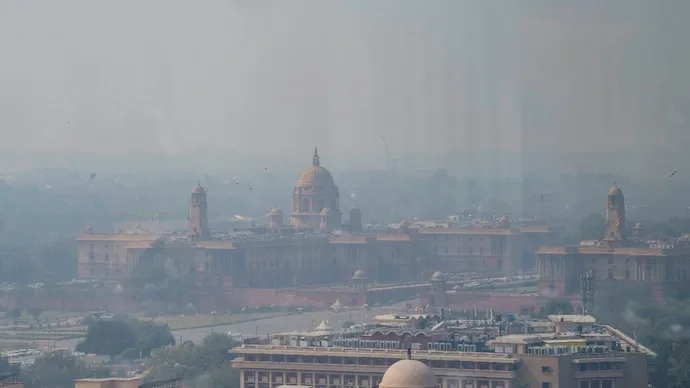

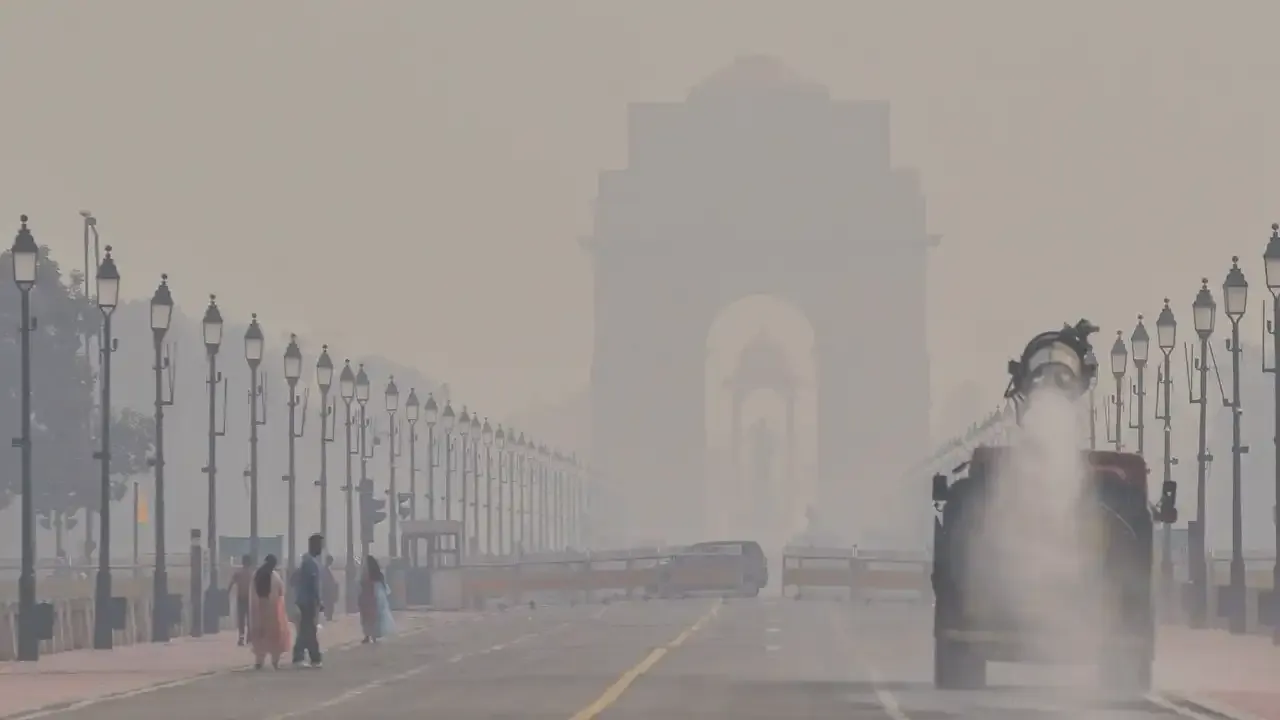
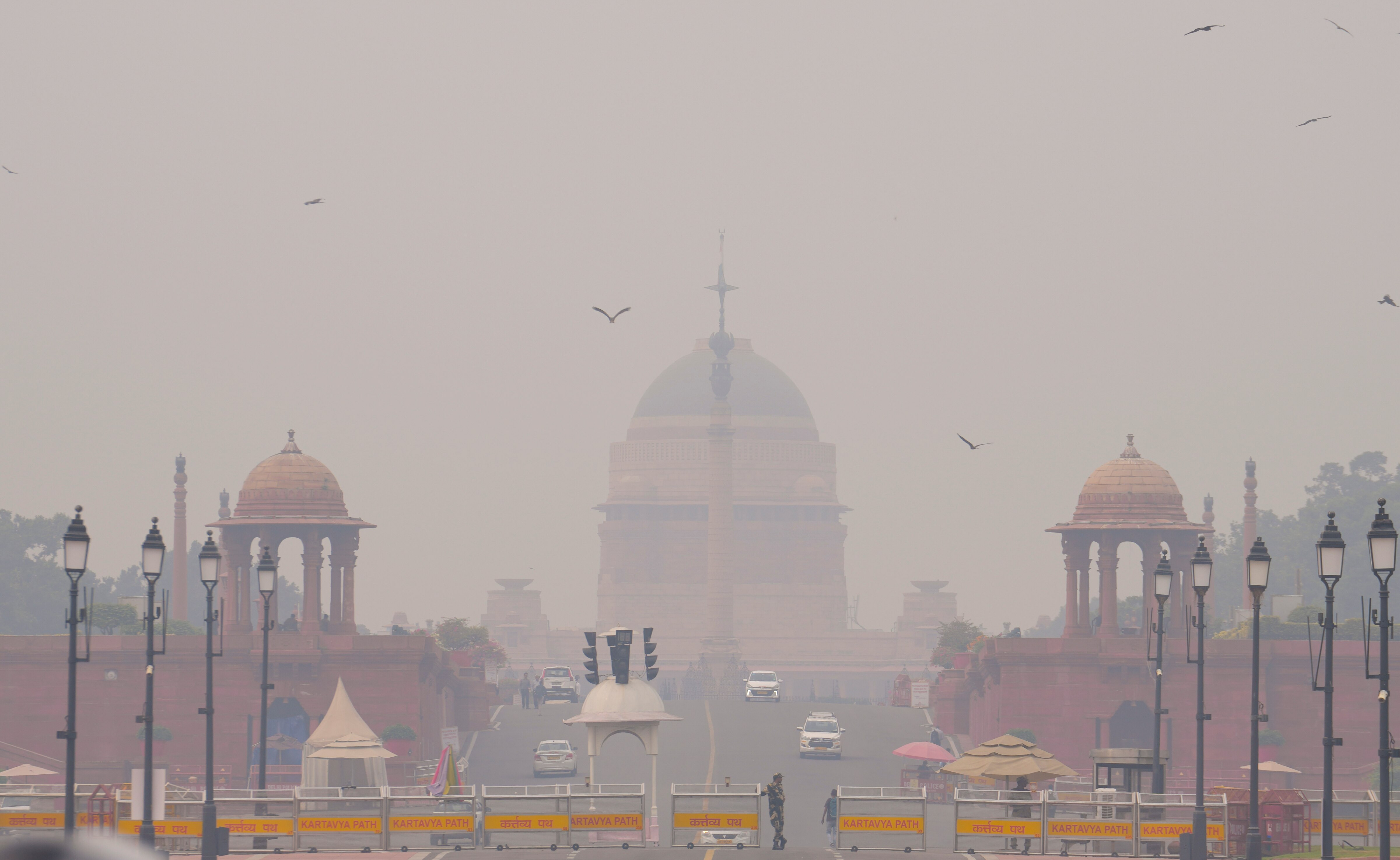
Delhi’s air pollution levels have risen sharply, with the Air Quality Index (AQI) climbing from around 65 to 216 within 24 hours, according to AQI.in readings recorded up to 10:31 am on October 17. The sudden deterioration comes as the national capital approaches winter, when weather conditions can make it harder for pollutants to disperse.
The reading of 216 falls in the “Poor” category under India’s Central Pollution Control Board (CPCB) classification, which covers AQI readings between 201 and 300. Although AQI.in uses a different category label, both classifications indicate deteriorating air quality.
Delhi AQI: From Cleaner Air to Rising Pollution
Hourly data from AQI.in shows that Delhi’s AQI stood at approximately 135 at the beginning of the 24-hour period on October 16. Pollution levels declined during the afternoon, reaching a low of around 65 before rising sharply in the evening.

The AQI crossed 200 and reached approximately 240 overnight. After easing temporarily, it climbed again on the morning of October 17, reaching 216 at 10:31 am.
The fluctuations highlight how quickly air quality can change, even after a brief period of improvement.
Why Could Delhi’s Air Quality Worsen?
The India Meteorological Department (IMD) forecast mainly clear skies over Delhi in the coming days, with no rainfall expected through October 23. Maximum temperatures were projected to remain around 31–33°C initially, rising by 2–3°C after October 17.
Without rainfall, the city could miss an opportunity for precipitation to remove some airborne pollutants. However, rainfall is only one factor affecting air quality. Emissions, wind speed and direction, and atmospheric conditions also influence how pollutants accumulate or disperse.
As winter approaches, changing weather patterns could further complicate efforts to maintain cleaner air.
Forecast Signals Continued Pollution Concerns
An October 16 bulletin from the Indian Institute of Tropical Meteorology (IITM) projected that Delhi’s air quality would enter the “Poor” category on October 19 and remain there during the subsequent six-day outlook.
The forecast suggests that pollution could remain a concern in the coming days, although actual conditions will depend on weather patterns and emission levels.
Delhi’s latest AQI readings underline the need for continued monitoring and effective pollution-control measures. Residents should follow official air-quality advisories, particularly when pollution levels remain elevated.
For air-quality information and updates, visit the Central Pollution Control Board.






Conversation
Be kind and stay on topic. Comments are moderated; abuse, spam and personal attacks are removed. Report a problem