


Cancer care is entering a new era. While advances in medicine have helped more people survive the disease than ever before, doctors say the next major healthcare challenge will not be treating cancer alone—it will be caring for the rapidly growing number of survivors.
A recent World Health Organization (WHO) report projects that annual global cancer cases could rise by nearly 67% by 2050, increasing from 20.6 million to around 35 million cases. Alongside this surge, experts say healthcare systems must prepare for another growing reality: millions of people living for years after completing cancer treatment.
Medical specialists believe survival should no longer be viewed as the final milestone. Instead, the focus must shift towards helping survivors lead healthy, productive and fulfilling lives through long-term medical, emotional and rehabilitative care.

Cancer Survival Rates Are Improving
Over the past decade, significant advances in cancer treatment have transformed patient outcomes.
Several factors have contributed to better survival rates, including:
- Early cancer detection
- Precision medicine
- Targeted therapies
- Immunotherapy
- Improved surgical techniques
- Better supportive care
These developments have enabled many patients to live for years—and in many cases decades—after receiving a cancer diagnosis.
Doctors describe this progress as one of the biggest achievements in modern oncology.
The Cancer Journey Doesn't End After Treatment
While completing chemotherapy, surgery or radiation therapy is often viewed as the end of treatment, specialists say it is actually the beginning of a new phase known as cancer survivorship.
Many survivors continue to face long-term physical and emotional challenges long after treatment ends.
These may include:
- Persistent fatigue
- Nerve damage (neuropathy)
- Heart-related complications
- Hormonal imbalances
- Fertility concerns
- Reduced physical strength
- Higher risk of recurrence
- Increased risk of developing another cancer
Regular medical follow-up helps detect and manage these issues before they become serious.
Emotional Recovery Is Just as Important
Experts say the psychological impact of cancer often lasts much longer than the treatment itself.
Many survivors struggle with:
- Fear of cancer returning
- Anxiety
- Depression
- Stress
- Changes in body image
- Memory and concentration problems
- Difficulty returning to work
- Social isolation
Despite being common, these challenges frequently receive less attention than physical recovery.
Mental health professionals say emotional support should become an integral part of cancer care rather than an optional service.
Why Survivorship Care Matters
Healthcare professionals increasingly use the term survivorship care to describe comprehensive support provided after cancer treatment.
This approach focuses on improving quality of life rather than simply monitoring disease recurrence.
A comprehensive survivorship programme may include:
Regular Medical Follow-ups
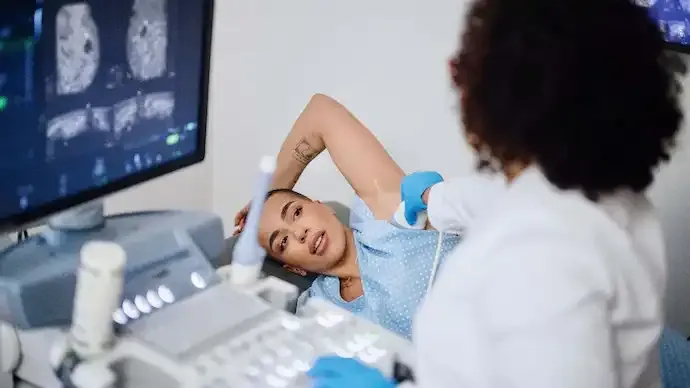
Routine health check-ups help monitor recovery, identify complications early and screen for recurrence or secondary cancers.
Rehabilitation Services
Physiotherapy and rehabilitation programmes help patients regain mobility, strength and independence.
Nutritional Counselling
Healthy nutrition plays an important role in rebuilding the body and managing treatment-related side effects.
Mental Health Support
Psychological counselling and support groups can help survivors cope with anxiety, depression and emotional stress.
Pain Management
Some patients continue to experience chronic pain after treatment and may require long-term pain management strategies.
Lifestyle Guidance
Doctors also encourage regular exercise, balanced nutrition, smoking cessation and preventive health screenings to reduce future health risks.
WHO Highlights Broader Impact of Cancer
The WHO report notes that cancer affects much more than physical health.
According to the organisation's first global survey involving people affected by cancer:
- Nearly half reported experiencing financial hardship.
- More than half faced mental health challenges.
- Caregivers also experienced significant emotional, social and financial burdens.
These findings highlight the need for healthcare systems to adopt a more holistic approach to cancer care.
Why Healthcare Systems Need to Adapt
Experts believe traditional cancer care has focused primarily on diagnosis and treatment.
However, with survival rates steadily increasing, healthcare systems must now invest in dedicated survivorship programmes.
Doctors recommend expanding:
- Survivorship clinics
- Rehabilitation centres
- Psychological counselling
- Nutrition services
- Pain management programmes
- Patient education initiatives
These services can help survivors regain independence while improving their long-term health outcomes.
Quality of Life Is Becoming the New Measure of Success
Cancer specialists say success should no longer be measured only by survival statistics.
Instead, healthcare providers should also evaluate:
- Physical recovery
- Emotional well-being
- Ability to work
- Social participation
- Financial stability
- Overall quality of life
Helping survivors return to normal life has become an essential goal of modern cancer care.
What Cancer Survivors Can Do After Treatment
Doctors recommend that cancer survivors:
- Attend all scheduled follow-up appointments.
- Report new symptoms promptly.
- Maintain a healthy diet.
- Stay physically active within medical advice.
- Seek emotional support when needed.
- Avoid tobacco and excessive alcohol consumption.
- Continue recommended screening tests.
- Discuss fertility, heart health and other long-term concerns with healthcare providers.
These measures can help improve both longevity and quality of life.
Featured Snippet
A WHO report projects global cancer cases could rise to 35 million annually by 2050, while experts warn that the growing number of cancer survivors will require lifelong medical, emotional and rehabilitative care. Doctors say improving quality of life after treatment should become a core part of modern cancer care.
Key Highlights
- WHO projects global cancer cases will increase by nearly 67% by 2050.
- Improved treatments have significantly increased cancer survival rates.
- Survivors often experience long-term physical and emotional health challenges.
- Mental health support is becoming an essential part of cancer care.
- Experts recommend survivorship clinics and rehabilitation programmes.
- Regular follow-up care can help detect complications and recurrence early.
- Quality of life is emerging as a key measure of success in cancer treatment.
Conclusion
Medical advances have transformed cancer from a life-threatening diagnosis into a condition that many people now survive. However, survival alone is no longer enough. As the number of survivors continues to grow worldwide, healthcare systems must evolve beyond treating cancer to supporting long-term recovery. Investing in survivorship care—including rehabilitation, mental health services, nutrition and regular medical follow-up—will be essential to ensure that patients not only live longer but also live healthier, fuller lives.
FAQs
1. What is cancer survivorship care?
Cancer survivorship care refers to long-term medical, emotional and rehabilitation support provided after cancer treatment is completed.
2. Why are more people surviving cancer today?
Advances in early diagnosis, targeted therapies, immunotherapy, improved surgery and supportive care have significantly improved survival rates.
3. What long-term problems can cancer survivors experience?
They may experience fatigue, nerve damage, heart problems, fertility issues, anxiety, depression, cognitive difficulties and an increased risk of recurrence.
4. What does the WHO report say about future cancer cases?
The WHO projects that annual global cancer cases could increase from 20.6 million to nearly 35 million by 2050.
5. Why is mental health important for cancer survivors?
Many survivors experience anxiety, depression and fear of recurrence, making psychological support an important part of recovery.
6. What is included in survivorship care?
It includes regular follow-up visits, rehabilitation, physiotherapy, nutritional counselling, mental health support, pain management and patient education.
7. Why do doctors recommend regular follow-up after cancer treatment?
Routine follow-up helps detect recurrence, manage long-term side effects and monitor overall health.
8. How can cancer survivors improve their quality of life?
Maintaining a healthy lifestyle, attending follow-up appointments, staying physically active, eating a balanced diet and seeking emotional support can help improve long-term well-being.






Conversation
Be kind and stay on topic. Comments are moderated; abuse, spam and personal attacks are removed. Report a problem