


India is steadily transforming its position in the global defence market. Once known primarily as one of the world's largest arms importers, the country is increasingly emerging as a supplier of advanced indigenous military systems to nations across Asia, Africa and beyond.
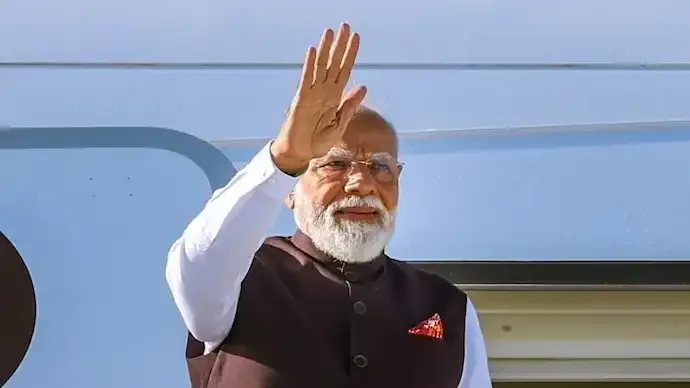
The latest momentum came during Prime Minister Narendra Modi's visit to Indonesia, where both countries announced cooperation on the BrahMos Missile System and signed an Air-to-Air Missile Cooperation Agreement. The development has fuelled expectations that Astra Mk1, India's indigenous beyond-visual-range air-to-air missile, could become the country's next major defence export.
Backed by growing indigenous manufacturing, expanding diplomatic partnerships and rising global confidence in Indian-made military equipment, defence exports have become a central pillar of India's self-reliance strategy.

Defence exports have grown more than 50 times in a decade
India's defence export performance has witnessed remarkable growth over the past decade.
According to the Ministry of Defence, defence exports increased from Rs 686 crore in FY2013-14 to Rs 38,424 crore in FY2025-26, with Indian-made defence products now reaching more than 80 countries worldwide.
The expansion reflects India's increasing capability to manufacture and export advanced military hardware while reducing dependence on imported defence systems.
SIPRI data shows India's growing global reach
While government figures cover the broader defence export ecosystem, the Stockholm International Peace Research Institute (SIPRI) Arms Transfers Database provides insight into exports of major conventional weapons.
According to SIPRI, India has exported military equipment to at least 23 countries, demonstrating diversification beyond a handful of flagship missile systems into aircraft, artillery, naval platforms, radar systems and armoured vehicles.
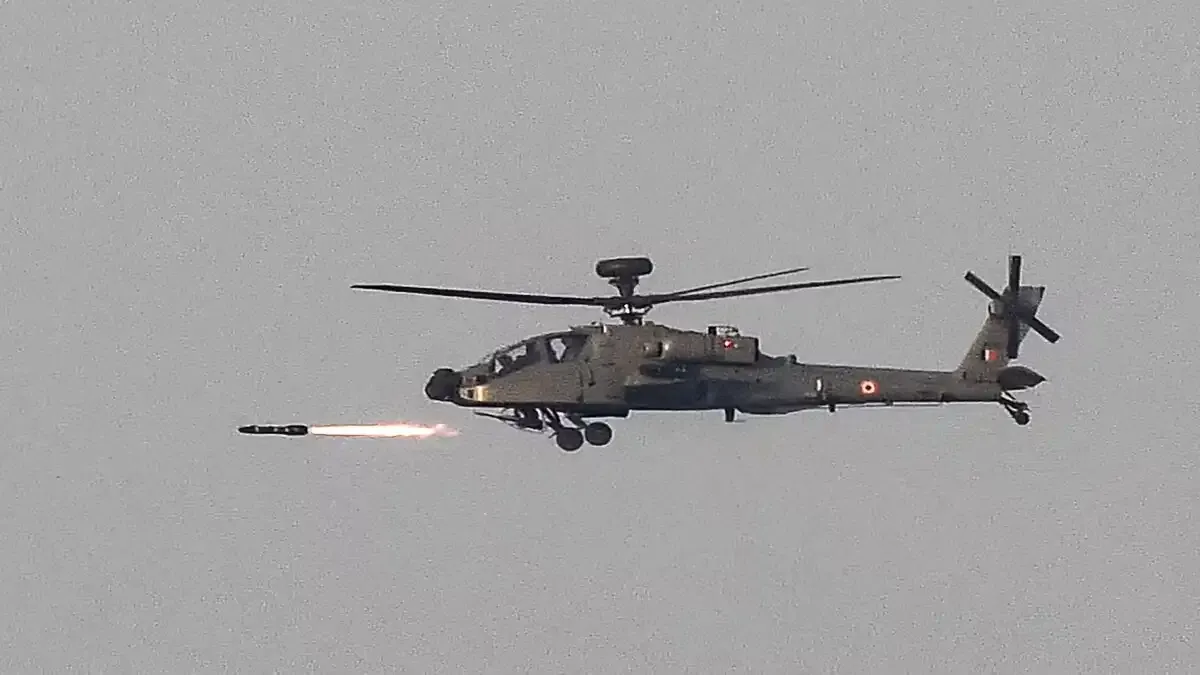
Astra Mk1 could become India's next major missile export
The latest defence cooperation with Indonesia has drawn attention to Astra Mk1, India's first indigenously developed Beyond Visual Range Air-to-Air Missile (BVRAAM).
What is Astra Mk1?
Developed by the Defence Research and Development Organisation (DRDO), Astra Mk1 entered service with the Indian Air Force in 2019.
Key features
- Beyond Visual Range Air-to-Air Missile
- Range exceeding 100 kilometres
- Designed for all-weather operations
- Capable of engaging highly manoeuvrable fighter aircraft
- Integrated with the Su-30MKI fighter aircraft
In 2025, DRDO and the Indian Air Force successfully validated the missile's indigenous seeker during flight trials, strengthening its export potential.
If finalised, Indonesia could become Astra's first international customer.
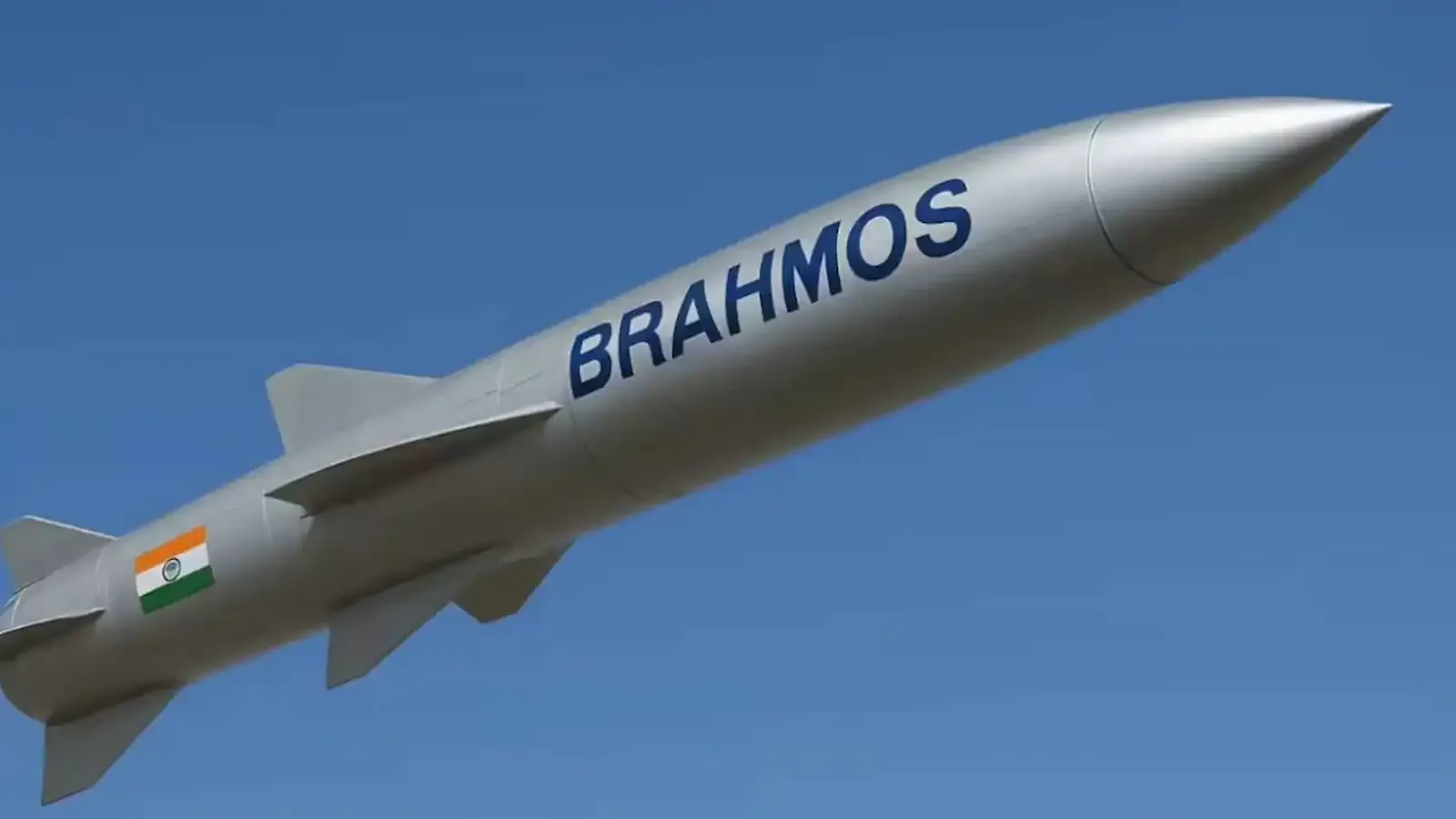
BrahMos remains India's flagship defence export
At the centre of India's defence export success is the BrahMos supersonic cruise missile.
Jointly developed by India and Russia, BrahMos became India's first major missile system to secure international export orders.
Countries associated with BrahMos cooperation
- Philippines
- Vietnam
- Indonesia (cooperation agreement)
The missile gained additional international attention following its operational use during Operation Sindoor, reinforcing confidence in its precision strike capabilities.
Its proven performance has strengthened India's position in the competitive global missile market.
Akash strengthens India's air defence exports
India's export portfolio is no longer limited to offensive strike systems.
The Akash Weapon System, developed by DRDO, became India's first indigenous surface-to-air missile system to secure an overseas customer.
Features of Akash
- Short-range air defence system
- Protects against fighter aircraft
- Capable of intercepting helicopters
- Designed to counter cruise missiles
- Effective against unmanned aerial vehicles (UAVs)
Armenia became the first foreign country to procure the Akash system.
Pinaka expands India's artillery exports
Another important indigenous platform entering global markets is the Pinaka Weapon System.
Developed by DRDO, Pinaka is a multi-barrel rocket launcher designed to deliver rapid, high-volume fire support.
Pinaka capabilities
- Precision-guided rockets
- Area saturation capability
- Targets troop concentrations
- Can strike logistics hubs and communication centres
- Suitable for battlefield support operations
According to SIPRI records, Armenia is also the first overseas recipient of Pinaka.
India's defence exports extend beyond missiles
India's defence manufacturing ecosystem now covers a wide range of military platforms.
Aerospace
- Do-228 maritime patrol aircraft
- Dhruv Advanced Light Helicopters
- Mi-24D helicopters
Naval systems
- Fast Interceptor Craft
- FPV-300 patrol vessels
- Khukri-class platforms
- Samarth vessels
- Shyena anti-submarine systems
Land systems
- WhAP Infantry Protected Mobility Vehicles
- ATAGS artillery guns
- MArG artillery systems
- OFB E1 mortars
Radar systems
- Swathi Weapon Locating Radar
- Revathi Radar
- M-2022 Radar
These systems have reached countries including:
- Armenia
- Bangladesh
- Maldives
- Mauritius
- Mozambique
- Myanmar
- Nepal
- Seychelles
- Sri Lanka
- Vietnam
- Morocco
Armenia emerges as India's biggest defence customer
Among India's international defence partners, Armenia has become one of the most significant.
According to defence research referenced in the report, India accounted for 43% of Armenia's total arms imports between 2022 and 2024.
The partnership includes procurement of:
- Akash-1S air defence systems
- Pinaka rocket launchers
- ATAGS howitzers
- Swathi Weapon Locating Radars
The expanding relationship demonstrates growing international confidence in India's indigenous defence industry.
Why defence exports matter for India
India's growing defence exports are significant for several reasons.
Economic benefits
- Higher manufacturing output
- Increased exports
- Job creation
- Technology development
Strategic advantages
- Stronger diplomatic partnerships
- Defence cooperation with friendly nations
- Greater influence in the Indo-Pacific
- Reduced dependence on defence imports
Industrial growth
The export push also supports India's Atmanirbhar Bharat and Make in India initiatives by encouraging domestic research, innovation and manufacturing.
Future outlook
With BrahMos already established internationally and Astra poised for potential exports, India is gradually building a diversified defence export portfolio.
As indigenous technologies continue to mature and international partnerships expand, the country is expected to strengthen its position as an important supplier of advanced military equipment.
Future exports are likely to focus not only on missile systems but also on radars, aircraft, naval platforms, artillery and integrated defence technologies.
Featured Snippet
India's defence exports have risen sharply over the past decade, led by indigenous systems such as BrahMos, Astra, Akash and Pinaka. Defence exports increased from Rs 686 crore in FY2013-14 to Rs 38,424 crore in FY2025-26, with Indian-made defence equipment now reaching more than 80 countries.
Key Highlights
- India's defence exports have increased to Rs 38,424 crore in FY2025-26.
- Defence products are now exported to over 80 countries.
- Astra Mk1 could become India's next major missile export.
- BrahMos remains India's flagship defence export.
- Akash and Pinaka have secured overseas customers.
- SIPRI records show Indian defence equipment reaching at least 23 countries.
- Armenia has emerged as India's largest arms export customer by value.
Conclusion
India's defence industry is undergoing a significant transformation. Once heavily dependent on imported military equipment, the country is now exporting sophisticated indigenous platforms across multiple domains. From BrahMos and Astra to Akash and Pinaka, India's expanding defence portfolio reflects growing technological capability, stronger international partnerships and an increasing role in the global defence market. As new agreements emerge and indigenous systems continue to prove their effectiveness, defence exports are likely to become an even more important pillar of India's strategic and economic growth.
FAQs
1. How much have India's defence exports grown?
According to the Ministry of Defence, exports increased from Rs 686 crore in FY2013-14 to Rs 38,424 crore in FY2025-26.
2. What is Astra Mk1?
Astra Mk1 is India's first indigenous Beyond Visual Range Air-to-Air Missile developed by DRDO.
3. Which is India's biggest defence export?
BrahMos remains India's most prominent defence export and has secured international agreements with multiple countries.
4. Which country may become Astra's first export customer?
Indonesia is expected to become the first foreign customer if ongoing cooperation progresses.
5. Which country is India's largest defence export customer?
Armenia has emerged as India's largest arms export customer by value in recent years.
6. What other systems does India export?
India exports helicopters, patrol aircraft, radar systems, artillery, naval platforms, armoured vehicles and missile systems.
7. How many countries import Indian defence equipment?
Government data says Indian defence products now reach more than 80 countries, while SIPRI identifies major conventional arms exports to at least 23 countries.
8. Why are defence exports important for India?
They strengthen strategic partnerships, boost manufacturing, support self-reliance and contribute to economic growth.






Conversation
Be kind and stay on topic. Comments are moderated; abuse, spam and personal attacks are removed. Report a problem