



The sudden disappearance of the biographical drama Satluj from the streaming platform ZEE5 has ignited an intense debate across the Indian entertainment ecosystem. Starring Diljit Dosanjh and directed by Honey Trehan, the film vanished from the digital space just 48 hours after its quiet, unannounced release.
This swift removal has left audiences questioning the regulatory boundaries of digital entertainment. While theatrical releases must clear the Central Board of Film Certification (CBFC), streaming content is technically exempt from traditional censorship. The abrupt erasure of the movie highlights the intricate legal mechanisms governing India's digital space.
The Quiet Release and Swift Disappearance
The film debuted on ZEE5 without promotional campaigns or marketing rollouts. The quiet launch appeared to be a strategic move to bring the narrative to audiences after a prolonged battle with theatrical authorities. However, the window of availability was incredibly brief.

Following public confusion over its removal, ZEE5 issued an official statement acknowledging that the film is unavailable in India until further notice due to ongoing developments. The platform expressed deep gratitude for the overwhelming viewer response and reaffirmed its solidarity with the creators, stating an intent to explore legal and administrative avenues to restore the title.
Tech Section: Digital Regulation, Policies, and Intermediary Rules
The removal of the film underscores how online streaming platforms operate under a distinct legal architecture compared to traditional cinema halls.
Understanding the IT Rules 2021
While the CBFC does not possess statutory power over streaming services, the Union Ministry of Information and Broadcasting regulates digital media through the Information Technology (Intermediary Guidelines and Digital Media Ethics Code) Rules, 2021. This framework shifts the burden of compliance directly onto the platforms.
The Three-Tier Oversight Mechanism
The compliance structure operates on three progressive levels designed to address content grievances:
Level 1 (Self-Regulation): The streaming platform employs internal grievance officers to evaluate public complaints and classify content into distinct age-appropriate brackets.
Level 2 (Independent Bodies): Unresolved disputes elevate to collaborative, independent self-regulating panels formed by various streaming networks.
Level 3 (Government Intervention): The Central Government maintains ultimate oversight, reserving the authority to issue direct intervention mandates when content threatens specific national parameters.
Compliance Timelines and Penalties
Platforms must act swiftly when a compliance issue is triggered. For standard statutory complaints, a 72-hour resolution window applies. However, severe violations concerning explicit content or critical privacy breaches require action within 24 hours.
If an over-the-top (OTT) service fails to comply with government orders, it risks losing its "safe harbour" status under Section 79 of the IT Act. Without this protection, executives can face direct civil or criminal liability for the material hosted on their platform.
The Backstory: From 'Punjab '95' to 'Satluj'
The digital takedown is the latest chapter in a long-standing battle with regulatory bodies. The project was originally envisioned as a theatrical release under the title Punjab '95.
When the filmmakers approached the CBFC for a theatrical certificate, the board proposed an unprecedented 127 cuts. These revisions included a demand to erase the real name of the central historical figure from his own biographical narrative. Refusing to compromise the core integrity of the project, the creative team chose to bypass a theatrical release entirely, renaming the project and seeking a digital home.
The Historical Sensitivity of the Narrative
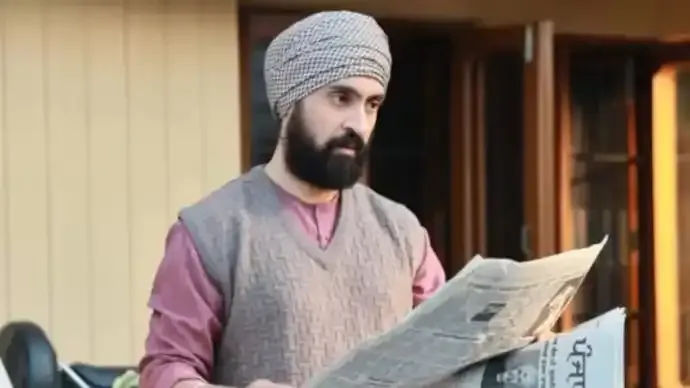
The underlying cause for the state intervention involves the highly sensitive historical period depicted in the screenplay. The biographical drama explores the life of celebrated human rights activist Jaswant Singh Khalra, played by Diljit Dosanjh.
The Turbulent Era
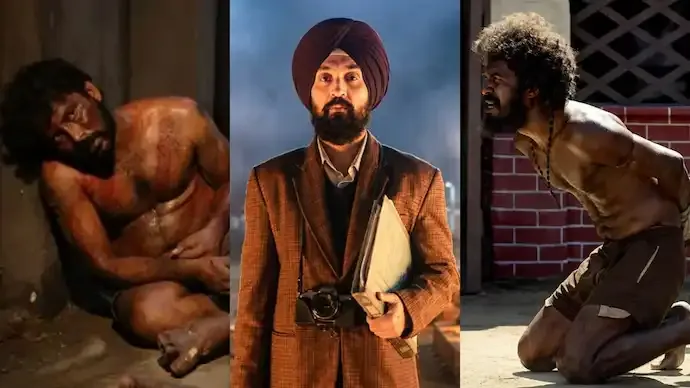
The narrative unfolds against the backdrop of the 1980s and 1990s in Punjab—a period defined by militancy, separatist movements, and aggressive state counter-insurgency operations. Khalra conducted an independent investigation uncovering thousands of undocumented abductions and secret cremations executed by local authorities. His activism drew international attention before his own abduction and murder in 1995, a crime for which several police officers were later convicted.
Security Concerns vs. Artistic Freedom
Government sources indicate that the decision to ask ZEE5 to remove the film was driven by security concerns and obligations outlined in the IT Rules 2021. Authorities worried that the unedited narrative could potentially trigger public unrest or be misinterpreted as glorifying separatist sentiments.
In contrast, the legal counsel representing Khalra's widow, Paramjit Kaur, has consistently maintained that the film is strictly a human rights story focused on historical accountability rather than a political provocation. The creative team, alongside co-stars Arjun Rampal, Kanwaljit Singh, Suvinder Vicky, and Geetika Vidya Ohlyan, has strongly defended the film as an authentic narrative rooted in documented truths.
Featured Snippet Section: What Happened?Diljit Dosanjh’s film Satluj was pulled down by ZEE5 within 48 hours of its release after the Central Government cited security concerns under the IT Rules 2021. Although OTT content does not require standard CBFC theatrical certification, streaming platforms must comply with federal directives to maintain their safe harbour legal protections.
Key HighlightsAbrupt Takedown: The biographical drama was removed from ZEE5 just two days after a surprise release.
Regulatory Route: The removal was executed under the IT Rules 2021, which govern digital media and streaming platforms.
Theatrical Background: The movie originally faced 127 suggested cuts by the CBFC under its initial title, Punjab '95.
Historical Subject: The plot focuses on Jaswant Singh Khalra, a human rights activist who investigated disappearances in Punjab during the militancy era.
Safe Harbour Risks: Streaming services face direct legal liability under the IT Act if they ignore central content advisories.
Platform Stance: ZEE5 stated that the title remains unavailable until further notice, though they are exploring avenues to bring it back.
The removal of Satluj highlights the robust reach of the IT Rules 2021 over India's digital entertainment space. Even without the requirement of a standard theatrical censor certificate, streaming platforms must navigate complex regulatory boundaries when hosting socio-politically sensitive material. The future of the project remains uncertain as stakeholders evaluate their legal options.
FAQsWhy was the movie Satluj pulled down from ZEE5?
The film was removed after government sources advised the platform to take it down, citing security concerns and compliance obligations under the IT Rules 2021.
Do OTT platforms in India require censor board certificates?
No, streaming platforms do not fall under the jurisdiction of the Central Board of Film Certification (CBFC) and do not need a theatrical certificate to stream content.
What is the IT Rules 2021 framework?
The Information Technology Rules 2021 require digital platforms to follow a strict Code of Ethics. It mandates self-regulation, age classification, and compliance with government content directives.
What happens if an OTT platform refuses a government takedown order?
The platform can lose its "safe harbour" protection under Section 79 of the IT Act, making its executives personally liable to civil or criminal prosecution.
Who is the real-life figure behind Diljit Dosanjh's character?
The film is based on Jaswant Singh Khalra, a human rights activist who investigated illegal cremations and disappearances in Punjab during the 1980s and 1990s.
Why did the film change its name from Punjab '95 to Satluj?
The filmmakers renamed the project after facing an impasse with the CBFC, which had demanded 127 cuts before granting a theatrical release certificate.







Conversation
Be kind and stay on topic. Comments are moderated; abuse, spam and personal attacks are removed. Report a problem