

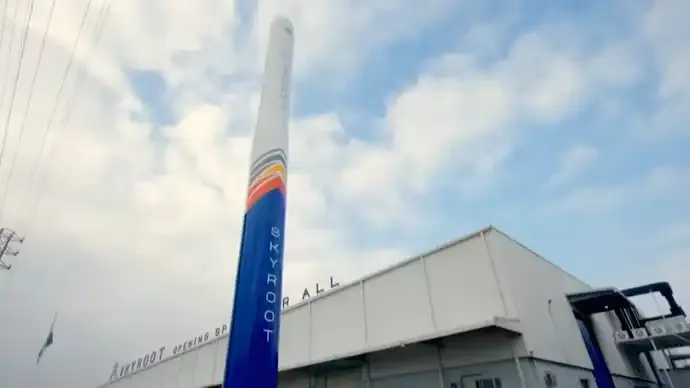

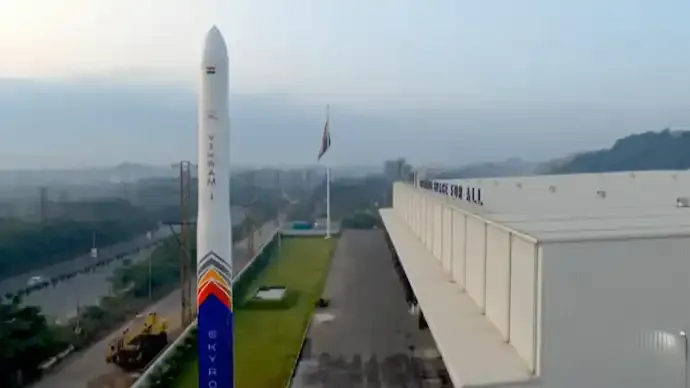
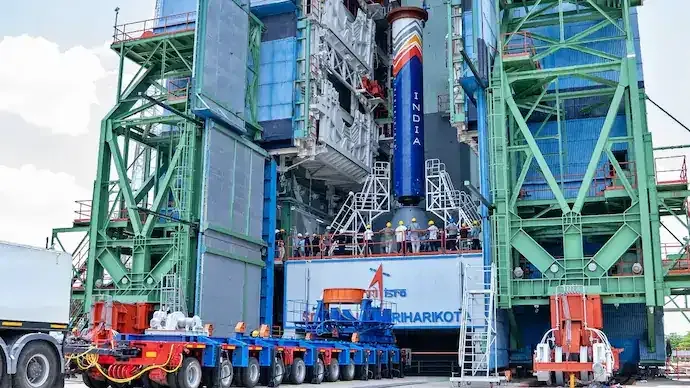
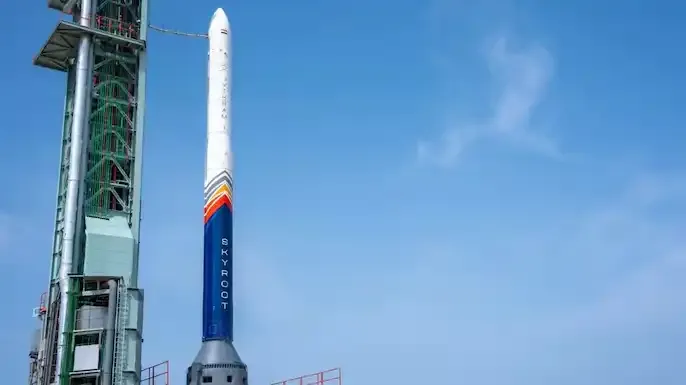
India's private space sector is preparing for another major milestone as Skyroot Aerospace gears up for the maiden launch of its Vikram-I launch vehicle from the Satish Dhawan Space Centre in Sriharikota.
One notable difference between Vikram-I and many globally recognised launch vehicles is that the Indian rocket will not undergo a wet dress rehearsal before liftoff. While such rehearsals are common for liquid-fuel rockets, Skyroot says the design of Vikram-I makes this step unnecessary.
The upcoming mission is expected to showcase India's growing capabilities in private space technology and commercial satellite launches.

What is a wet dress rehearsal?
A wet dress rehearsal (WDR) is a comprehensive pre-launch test conducted before many rocket missions.
During this exercise, engineers typically:
- Fill the rocket with fuel and oxidiser.
- Run through the complete countdown sequence.
- Test launch systems and communication links.
- Verify software and ground support equipment.
- Simulate launch-day operations without actually lifting off.
The purpose is to identify technical issues before the actual mission and reduce launch risks.
Wet dress rehearsals are widely used for rockets powered by liquid propellants because their fuel can be safely loaded and removed after testing.
Why Vikram-I doesn't need one
According to Skyroot Aerospace, the key reason lies in the rocket's solid-fuel first stage.
Unlike liquid-fuel rockets, solid rocket motors cannot be ignited for testing and then shut down. Once the solid propellant is ignited, it burns continuously until all the fuel is exhausted.
This means the first ignition of Vikram-I's booster will take place only during the actual launch.
Instead of performing a wet dress rehearsal, engineers have already completed extensive ground qualification and subsystem testing before transporting the rocket to the launch site.
How solid-fuel rockets differ from liquid-fuel rockets
The propulsion system determines many of the launch procedures used for a rocket.
Solid-fuel rockets
- Fuel and oxidiser are stored together inside the motor.
- Ready for launch once integrated.
- Simpler mechanical design.
- Minimal fueling activity at the launch pad.
- Cannot be shut down after ignition.
Liquid-fuel rockets
- Fuel and oxidiser are loaded shortly before launch.
- Require complex fueling systems.
- Can undergo wet dress rehearsals.
- Some engines can be throttled or shut down during flight.
Because of these differences, launch preparations vary significantly between the two technologies.
Extensive ground testing completed before launch
Although Vikram-I will not undergo a wet dress rehearsal, that does not mean testing has been reduced.
Before reaching the launch pad, launch vehicles typically undergo several qualification processes, including:
- Static motor testing
- Structural testing
- Vibration tests
- Thermal testing
- Avionics validation
- Software verification
- Guidance and navigation system checks
- Stage integration tests
These tests help engineers verify that every component performs as expected under launch conditions.
What is Vikram-I?
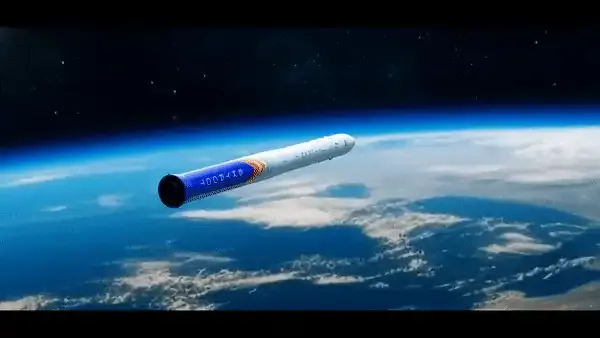
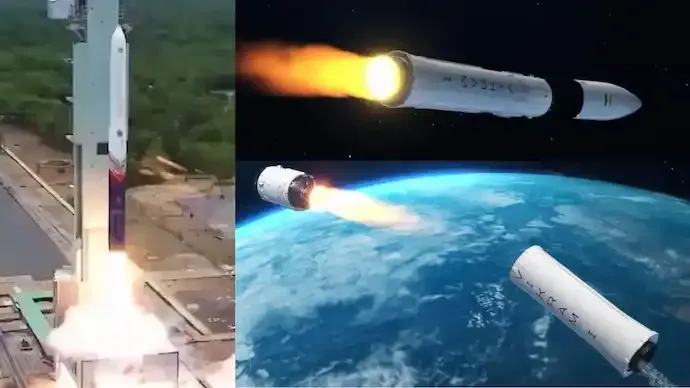
Vikram-I is Skyroot Aerospace's first orbital launch vehicle and has been designed to carry small satellites into space.
The rocket represents a significant step for India's private space industry following the country's decision to open the space sector to private companies.
Key features of Vikram-I include:
- Three-stage launch vehicle
- Solid propulsion in the initial stages
- Designed for commercial satellite launches
- Developed by Hyderabad-based Skyroot Aerospace
- Built to support growing demand for small satellite deployment
The mission follows the successful suborbital demonstration conducted under the Vikram programme and marks the company's transition toward orbital launch capability.
Why this launch is important for India
The Vikram-I mission is expected to strengthen India's position in the rapidly expanding global commercial space market.
If successful, the launch could:
- Increase confidence in private Indian launch providers.
- Expand commercial launch opportunities.
- Support domestic and international satellite customers.
- Boost India's NewSpace ecosystem.
- Encourage further investment in aerospace startups.
India's private space industry has witnessed rapid growth since regulatory reforms encouraged greater participation by non-government companies.
Features of Vikram-I
Rocket specifications
- Orbital launch vehicle
- Solid-fuel booster stage
- Designed for small satellite missions
- Commercial launch capability
- Developed by Skyroot Aerospace
User benefits
The rocket aims to provide:
- Faster launch opportunities
- Cost-effective satellite deployment
- Greater flexibility for commercial customers
- Support for India's expanding space economy
Competitors
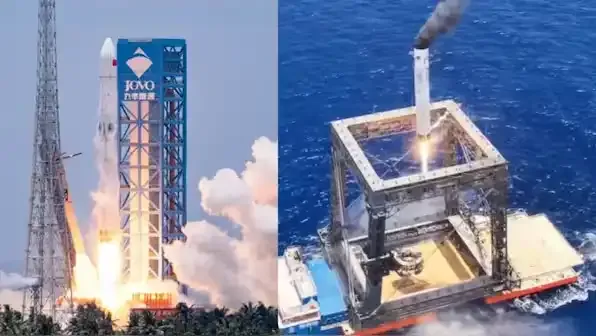
Vikram-I will compete in the growing global small satellite launch market alongside launch providers from the United States, Europe, China and other emerging space nations.
Future of India's private space sector
The upcoming mission is widely viewed as an important milestone for India's commercial space ambitions.
As demand for satellite launches continues to grow worldwide, private Indian companies are increasingly developing indigenous launch vehicles capable of serving global customers.
Successful missions like Vikram-I could pave the way for more frequent commercial launches, technological innovation and international partnerships within the country's expanding space ecosystem.
Featured Snippet
Skyroot Aerospace's Vikram-I rocket will launch from Sriharikota without a wet dress rehearsal because its solid-fuel first stage cannot be test-fired before liftoff. Instead, engineers rely on extensive ground testing and qualification procedures completed before launch.
Key Highlights
- Skyroot Aerospace is preparing to launch Vikram-I from Sriharikota.
- The rocket will not undergo a wet dress rehearsal.
- Vikram-I uses a solid-fuel first-stage booster.
- Solid rocket motors cannot be test-fired before launch.
- Extensive ground qualification tests have already been completed.
- Vikram-I is Skyroot's first orbital launch vehicle.
- The mission marks another milestone for India's private space sector.
Conclusion
The Vikram-I mission highlights the technological diversity emerging within India's private space industry. While skipping a wet dress rehearsal may appear unusual compared with liquid-fuel rockets, the approach reflects the engineering characteristics of solid-fuel propulsion systems. As Skyroot Aerospace prepares for launch, the mission is expected to play a significant role in advancing India's commercial space capabilities and strengthening the country's growing private aerospace ecosystem.
FAQs
1. What is Vikram-I?
Vikram-I is Skyroot Aerospace's first orbital launch vehicle designed to carry small satellites into space.
2. Why is Vikram-I not undergoing a wet dress rehearsal?
Its first stage uses solid fuel, which cannot be test-fired before launch because it burns continuously once ignited.
3. What is a wet dress rehearsal?
It is a full pre-launch simulation involving fueling, countdown procedures and systems testing without liftoff.
4. Where will Vikram-I launch from?
The rocket is scheduled to launch from the Satish Dhawan Space Centre in Sriharikota.
5. Who developed Vikram-I?
The launch vehicle was developed by Hyderabad-based Skyroot Aerospace.
6. Are solid-fuel rockets safe without a wet dress rehearsal?
Yes. They undergo extensive ground qualification, structural, propulsion and system tests before reaching the launch pad.
7. What is the purpose of Vikram-I?
The rocket has been designed primarily for commercial small satellite launches into orbit.
8. Why is the mission significant?
It represents another major step in the growth of India's private space industry and commercial launch capabilities.



Conversation
Be kind and stay on topic. Comments are moderated; abuse, spam and personal attacks are removed. Report a problem