

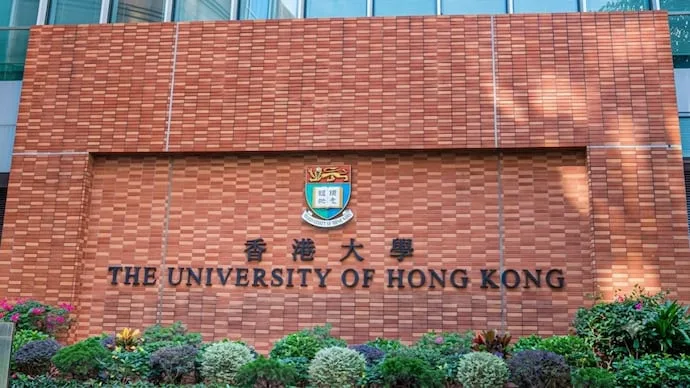

The HKU robotics engineering programme is set to welcome eligible Indian students for the 2027-28 academic session, with applicants holding CBSE or ISC Class 12 qualifications and at least 93 per cent marks eligible to apply, according to a report by The Indian Express.
The University of Hong Kong (HKU) has introduced a four-year Bachelor of Engineering in Robotics Engineering designed to prepare students for careers in robotics, artificial intelligence (AI), automation and autonomous systems.
The programme will be jointly offered by four departments under HKU’s Faculty of Engineering: Mechanical Engineering, Electrical and Computer Engineering, Data and Systems Engineering, and Civil Engineering.

What will students study?
The curriculum combines engineering fundamentals with specialised training in robotics and intelligent systems.
During the first two years, students will study engineering mathematics, mechanics, electrical circuits, programming and artificial intelligence. Advanced subjects will include robotic modelling, sensing and perception, control systems, embedded computing and AI-enabled autonomous systems.
Students will also participate in laboratory sessions, multidisciplinary design projects, engineering training and industrial internships. A capstone project will allow them to apply their knowledge to practical engineering challenges.
HKU’s Hong Kong and Shanghai study model
A key feature of the programme is its two-city study model. Students will spend their third year at HKU’s Zhangjiang Base in Shanghai, gaining exposure to the region’s technology and advanced manufacturing ecosystem.
The university will provide a studentship of HK$50,000 to support students during their Shanghai study year. The funding is intended to cover round-trip airfare, accommodation near the study location and a living allowance.
Scholarships and research opportunities
Students in their second year or above can apply for research opportunities through HKU’s undergraduate research matching scheme. Selection will depend on further screening and assessment.
Eligible graduates with a cumulative GPA of at least 3.0 can also apply for a HK$100,000 entrance scholarship for specified taught postgraduate programmes in robotics and related engineering fields, subject to admission.
Admission requirements for Indian students
Indian students with CBSE or CISCE qualifications can apply through HKU’s international or Non-JUPAS admissions route.
According to the report, applicants with at least 93 per cent in their Class 12 board examinations are eligible to apply. However, meeting the minimum academic requirement does not guarantee admission.
HKU follows a holistic selection process that may consider academic performance, interview results, personal statements, references and supporting documents. Applicants should check the programme-specific academic and English-language requirements before applying.
Career opportunities after the programme
Graduates will be prepared for careers in robotics and autonomous systems, artificial intelligence, advanced manufacturing, technological innovation and research and development.
Potential career areas include intelligent robots, autonomous vehicles, drones, AI-powered systems and smart manufacturing. Students may also pursue postgraduate studies in robotics engineering, artificial intelligence and related disciplines.
Interested CBSE and ISC students can visit HKU’s official undergraduate admissions website for qualification-specific requirements, application procedures and deadlines.






Conversation
Be kind and stay on topic. Comments are moderated; abuse, spam and personal attacks are removed. Report a problem