

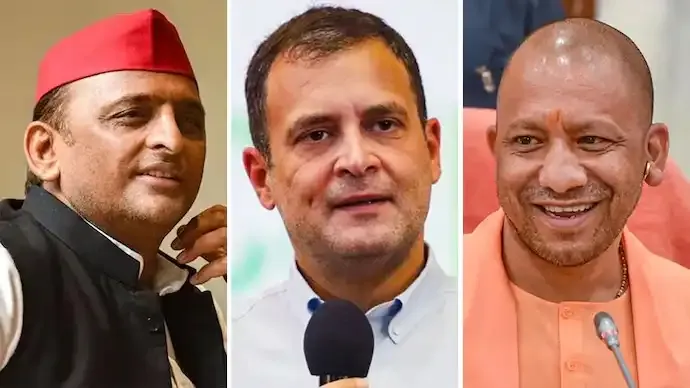

With the 2027 Uttar Pradesh Assembly elections approaching, the political discourse in the state is increasingly centred around Sanatan Dharma, the Ram Mandir, and religious identity. The alleged controversy surrounding Ram Mandir donations has become a major political flashpoint, with both the Congress and the Samajwadi Party (SP) targeting the BJP while simultaneously adopting a vocabulary traditionally associated with the saffron party.
Political observers believe the debate is no longer about whether religion will influence the election—it is about which party can best define and own that narrative.
Ram Mandir Controversy Takes Centre Stage
The alleged irregularities involving donations to the Ayodhya Ram Mandir have provided the Opposition with an opportunity to question the BJP's governance and accountability.

The Congress and the Samajwadi Party argue that raising questions about the management of devotees' donations is an issue of transparency rather than faith. However, in repeatedly focusing on the Ram Mandir, both parties have also reinforced the centrality of religious issues in Uttar Pradesh's political landscape.
BJP's Hindutva Narrative Continues to Shape Politics
Over the past decade, the BJP has positioned Hindutva alongside governance and development, highlighting projects such as the construction of the Ram Mandir, redevelopment of the Kashi Vishwanath Corridor, and infrastructure expansion in Ayodhya.
This strategy has transformed religious identity into a mainstream political issue, compelling rival parties to engage with similar themes instead of avoiding them.
Yogi Adityanath Responds to Opposition
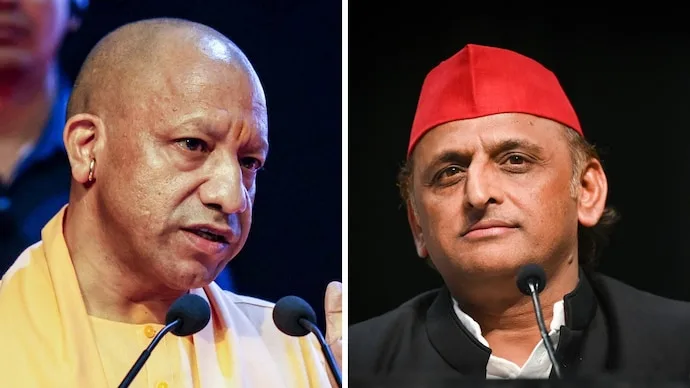
Uttar Pradesh Chief Minister Yogi Adityanath has used the controversy to revisit the Opposition's historical positions on the Ram Mandir movement.
He has accused rival parties of previously opposing Hindu religious events and has defended the state's response to the alleged donation case, saying authorities acted promptly after receiving investigation findings.
The BJP has sought to shift the debate from allegations surrounding temple donations to its broader role in the Ram Janmabhoomi movement and fulfillment of its long-standing political promises.
Akhilesh Yadav's 'Soft Hindutva' Strategy
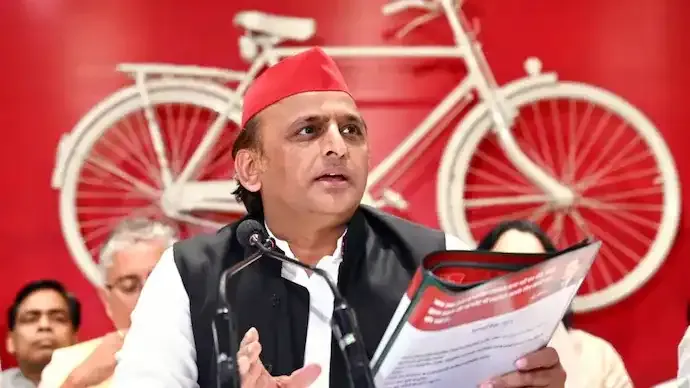
Samajwadi Party chief Akhilesh Yadav has increasingly incorporated religious symbolism into his political messaging.
Recent initiatives include:
- Public references to Lord Hanuman and astrology.
- Participation in religious events.
- Plans for a Samajwadi PDA Rath Yatra.
- Preparations to inaugurate the Kedareshwar Mahadev Temple in Etawah.
Political analysts view these moves as an effort to broaden the party's appeal among Hindu voters while retaining its existing social coalition.
Congress Also Adopts Sanatan Messaging
The Congress has similarly sought to reshape its public image ahead of the Assembly elections.
State leaders have described themselves as "Sanatanis from Kashi" while maintaining that questioning alleged financial irregularities at the Ram Mandir is about accountability rather than religion.
The party hopes to counter the BJP's narrative that it has historically been uncomfortable with overt expressions of Hindu faith.
A Battle Over Political Narrative
The evolving campaign suggests that all major political parties are now competing within the same ideological space.
While the Opposition aims to combine discussions on social justice, governance and transparency with expressions of faith, the BJP continues to emphasise its historical association with the Ram Janmabhoomi movement and Hindu cultural identity.
As the election draws closer, the central contest may not only be over votes but also over who defines the political narrative around Ram, Sanatan Dharma and religious identity in Uttar Pradesh.
Key Highlights
- The alleged Ram Mandir donation controversy has become a key political issue ahead of the 2027 UP elections.
- Congress and the Samajwadi Party are increasingly using the language of Sanatan Dharma in their campaigns.
- The BJP continues to emphasise its role in the Ram Janmabhoomi movement and temple development.
- Akhilesh Yadav has adopted greater religious symbolism, including plans for a Rath Yatra.
- Congress leaders say faith and accountability can coexist.
- Analysts believe the election narrative is increasingly centred on religion and cultural identity.
FAQs
Why is the Ram Mandir controversy important ahead of the 2027 UP elections?
The alleged donation controversy has become a political issue, with Opposition parties questioning accountability while the BJP highlights its role in the Ram Mandir movement.
How is the Samajwadi Party changing its political strategy?
The party has increasingly incorporated religious symbolism through temple visits, references to Hindu traditions and plans for a Rath Yatra while continuing to promote its broader social coalition.
What is the Congress' approach?
Congress leaders have sought to present themselves as committed to Sanatan traditions while arguing that concerns over temple donations relate to transparency rather than faith.
How has the BJP responded?
The BJP has defended its handling of the controversy and has framed the debate within the broader history of the Ram Janmabhoomi movement and its commitment to Hindu cultural issues.
What is the broader political significance?
The report argues that all major parties are increasingly using the language of religion and Sanatan Dharma, indicating a shift in the political narrative ahead of the Uttar Pradesh Assembly elections.







Conversation
Be kind and stay on topic. Comments are moderated; abuse, spam and personal attacks are removed. Report a problem