



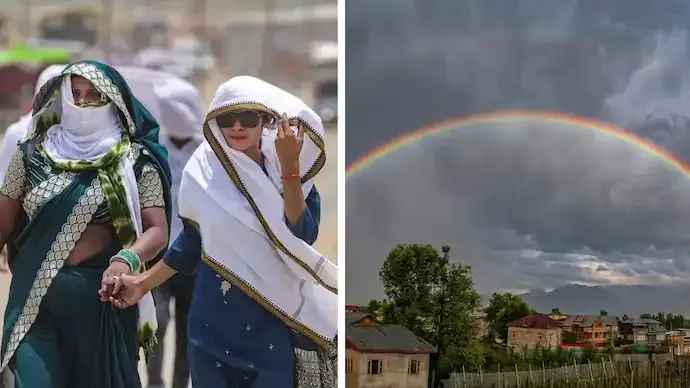
Several parts of India are expected to experience an intense spell of humid heat this week, with the 'feels-like' temperature (heat index) approaching 50°C in some cities despite actual temperatures remaining in the mid-30s.
According to weather conditions observed across the country, the rise in discomfort is being driven by high humidity levels combined with a temporary break in the southwest monsoon, creating conditions where the human body struggles to cool itself efficiently.
While this is not an official heatwave, meteorologists warn that the humid conditions can pose serious health risks, especially for children, senior citizens, and people working outdoors.

Key Highlights
- Several Indian cities are recording heat index values close to 50°C.
- High humidity and a break in the monsoon are driving the uncomfortable weather.
- Actual temperatures remain between 32°C and 37°C, but the weather feels significantly hotter.
- Coastal, eastern, and parts of northern India are among the worst-affected regions.
- Experts advise staying hydrated and avoiding prolonged outdoor activity during peak afternoon hours.
Why Does 36°C Feel Like Nearly 50°C?
The main reason behind the soaring "feels-like" temperature is humidity, not extreme heat.
The human body naturally cools itself through sweating. However, when the air contains excessive moisture, sweat evaporates more slowly, reducing the body's ability to release heat.
Meteorologists use a measurement known as the Heat Index, or Apparent Temperature, which combines air temperature and humidity to indicate how hot the weather actually feels.
For example:
- Bhubaneswar: 36°C temperature with 63% humidity can feel close to 49.9°C.
- Cities like Chennai and Lucknow are also experiencing similarly high heat index values.
What Is a Monsoon Break?
A monsoon break is a temporary pause in widespread rainfall during the southwest monsoon season.
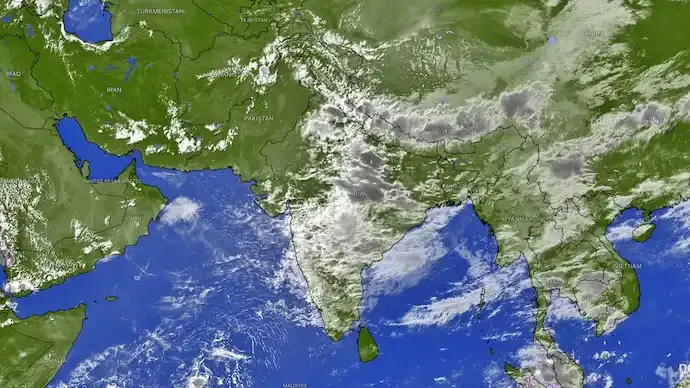
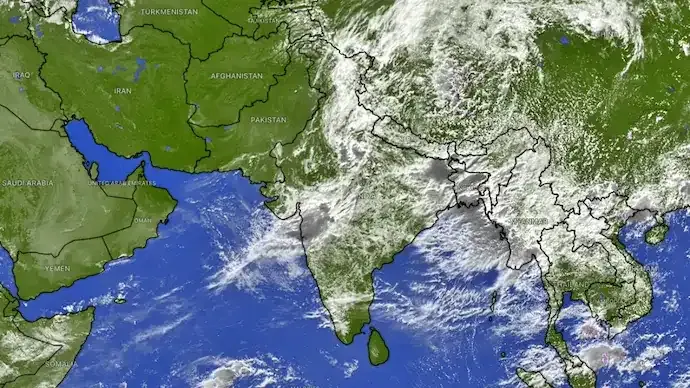
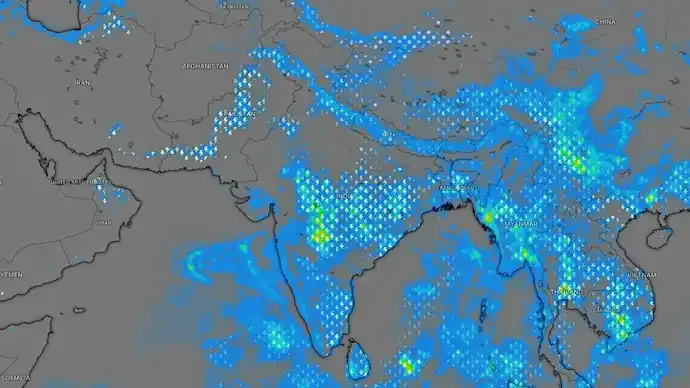
Although the southwest monsoon covered the entire country earlier this month, rainfall activity has weakened after the monsoon trough shifted towards the Himalayan foothills.
As a result:
- Rainfall has reduced across central, western, and parts of southern India.
- Clear skies allow stronger sunshine to heat the surface.
- Moisture already present in the atmosphere remains trapped.
- The combination of sunshine and humidity causes the heat index to rise sharply.
Which Cities Are Most Affected?
The humid conditions are impacting several regions across the country.
Among the most affected are:
- Bhubaneswar
- Chennai
- Lucknow
- Mumbai
- Delhi
- Sri Ganganagar
For instance, Mumbai's actual temperature is around 32°C, but high humidity pushes the apparent temperature above 40°C, making outdoor conditions significantly more uncomfortable.
Northern cities such as Delhi and Sri Ganganagar are also recording heat index values between 45°C and 46°C.
Is India Experiencing a Heatwave?
No. The current weather conditions do not qualify as an official heatwave under the India Meteorological Department (IMD) criteria.
However, the IMD has indicated:
- Above-normal maximum temperatures in parts of northwest and northeast India.
- Below-normal rainfall in several regions during the current week.
- Continued humid weather until monsoon activity strengthens again.
Although not classified as a heatwave, experts warn that prolonged exposure to humid heat can be equally dangerous due to the increased risk of dehydration, heat exhaustion, and heat-related illnesses.
Health Advisory During Humid Weather
Health experts recommend taking extra precautions as humidity rises across the country.
People are advised to:
- Drink plenty of water throughout the day.
- Avoid direct sunlight during peak afternoon hours.
- Wear light, loose-fitting cotton clothing.
- Reduce strenuous outdoor activities.
- Check on elderly family members and young children regularly.
Outdoor workers should take frequent breaks and remain alert for symptoms such as dizziness, excessive sweating, weakness, or dehydration.
Why This Weather Pattern Matters
Humid heat can often feel more uncomfortable than dry heat because it limits the body's natural cooling mechanism.
As rainfall temporarily weakens and humidity remains trapped near the surface, many cities are likely to continue experiencing oppressive weather until the southwest monsoon becomes active once again.
Residents are advised to stay updated with local weather forecasts and follow heat safety measures throughout the week.
Frequently Asked Questions (FAQs)
Q1. Why is it feeling hotter than the actual temperature in India?
High humidity reduces the evaporation of sweat, making the body feel much hotter than the recorded air temperature.
Q2. What is the heat index?
The heat index, also known as the apparent temperature or "feels-like" temperature, combines air temperature and humidity to indicate how hot it actually feels.
Q3. Which Indian cities are experiencing the highest heat index?
Cities including Bhubaneswar, Chennai, Lucknow, Mumbai, Delhi, and Sri Ganganagar are among those recording very high heat index values.
Q4. Is this considered an official heatwave?
No. According to the IMD, the current conditions do not meet the criteria for a heatwave, although humidity is making the weather feel much hotter.
Q5. How can people stay safe during humid heat?
Stay hydrated, avoid outdoor activities during peak afternoon hours, wear breathable clothing, and watch for signs of heat exhaustion.





Conversation
Be kind and stay on topic. Comments are moderated; abuse, spam and personal attacks are removed. Report a problem