

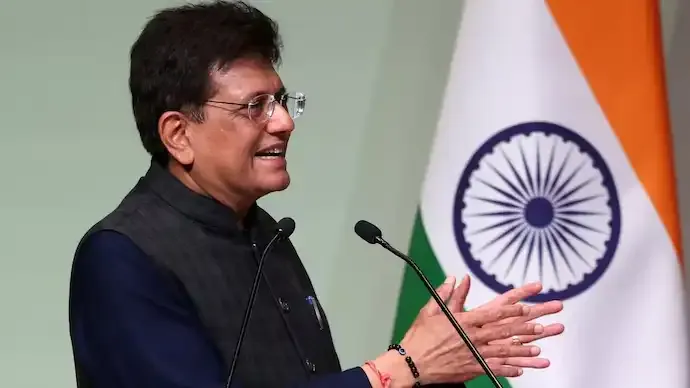

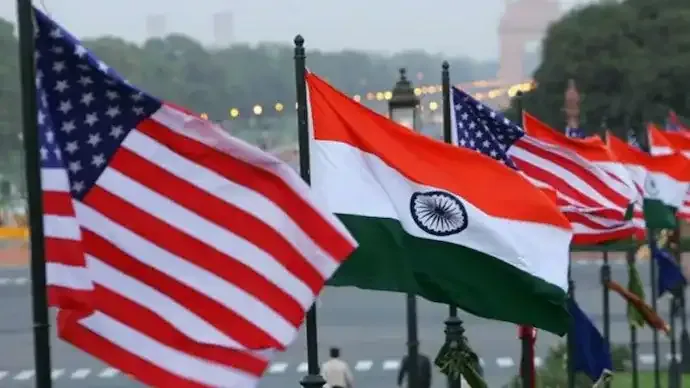
India has hardened its position in ongoing trade negotiations with the United States, signalling that it is willing to delay a bilateral agreement rather than accept terms that do not serve its long-term economic interests.
Despite months of discussions and continued pressure over potential US tariffs, New Delhi has maintained that any trade pact must protect India's strategic sectors, particularly agriculture, while ensuring meaningful market access for Indian exporters.
Analysts say a combination of legal developments in the United States, stronger economic performance, and expanding global trade partnerships has significantly improved India's negotiating leverage.

Key Highlights
- India is refusing to rush into a trade agreement with the United States despite tariff concerns.
- New Delhi is seeking stronger market access and protection from future US tariff actions.
- Legal uncertainty surrounding US tariff policies has strengthened India's negotiating position.
- Growing exports and new trade agreements with the UK and EU have reduced India's dependence on the US market.
- The government continues to prioritise the interests of farmers, MSMEs and key domestic industries.
India Refuses to Rush Into a Trade Deal
India has made it clear that it will only sign a trade agreement that delivers tangible economic benefits.
Government officials have reiterated that New Delhi will not compromise on key sectors such as agriculture or agree to provisions that could weaken India's long-term trade interests.
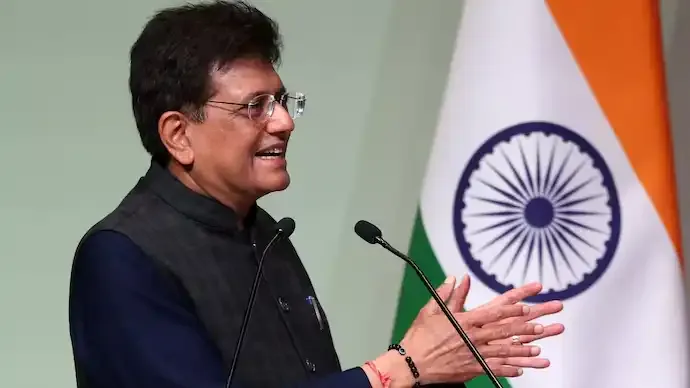
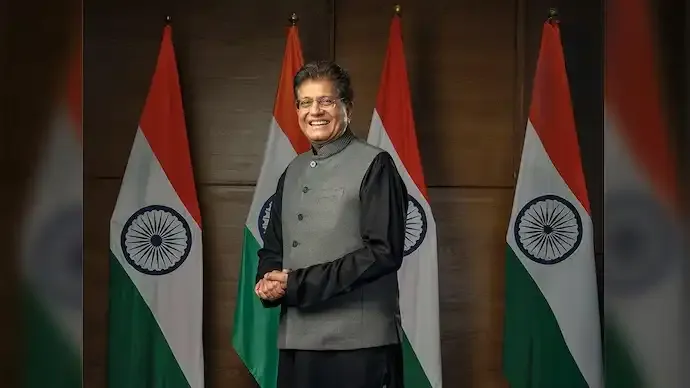
Commerce Minister Piyush Goyal has repeatedly stated that India prefers a balanced and mutually beneficial agreement over a rushed deal.
Two Key Issues Continue to Delay the Agreement
Negotiations remain stalled over two major Indian demands:
- Greater tariff advantages for Indian exports compared to competing economies.
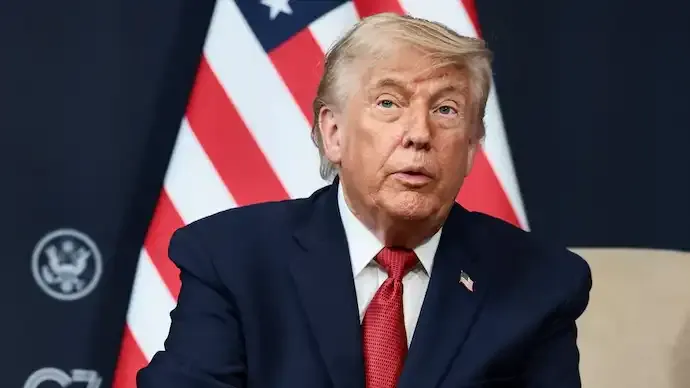
- Assurances that future US administrations will not impose additional tariffs after the agreement is signed.
Indian negotiators believe these guarantees are essential before committing to any comprehensive trade pact.
US Tariff Uncertainty Has Changed the Negotiating Landscape
One of the biggest factors influencing India's strategy has been uncertainty surrounding US trade policy.
Legal challenges to executive tariff measures have created questions about the long-term stability of American tariff regulations.
This has reduced pressure on India to quickly conclude an agreement, as policymakers believe future US trade measures could still face legal and political scrutiny.
Strong Economic Growth Boosts India's Confidence
India's improving economic performance has further strengthened its bargaining position.
Several positive indicators include:
- Growth in merchandise exports.
- Recovery in shipments to key global markets.
- Expanding manufacturing and services exports.
- Stable domestic economic growth.
- Improved investor confidence.
These factors have reduced the urgency to depend solely on a trade agreement with the United States.
New Trade Agreements Reduce Dependence on the US
India has also diversified its global trade partnerships.
Recent developments include:
- Progress on the India-UK Free Trade Agreement.
- Continued negotiations with the European Union.
- Stronger trade engagement with Gulf countries.
- Expansion into emerging export markets.
This broader trade strategy gives India greater flexibility during negotiations with Washington.
Protecting Farmers and Domestic Industries Remains a Priority
The government has consistently maintained that sensitive sectors such as agriculture, dairy and small businesses will remain protected.
Officials argue that any agreement must balance export opportunities with domestic economic interests, ensuring Indian farmers and MSMEs are not adversely affected by increased imports.
This approach continues to shape India's overall negotiating strategy.
Why This Matters
The India-US trade agreement is expected to influence bilateral commerce, investment, manufacturing and supply chains for years to come.
While both countries continue discussions, India's current position suggests that securing favourable long-term terms is being prioritised over achieving a quick political breakthrough.
The outcome of these negotiations could significantly impact exporters, investors and businesses in both countries.
Frequently Asked Questions (FAQs)
Q1. Why is India delaying the trade deal with the US?
India wants stronger guarantees on tariff protection, improved market access and safeguards for sensitive domestic sectors before signing any agreement.
Q2. What are India's major concerns in the negotiations?
India is seeking protection against future US tariffs and better competitive access for Indian exports while safeguarding agriculture and MSMEs.
Q3. Has India's bargaining position improved?
Yes. Stronger economic growth, expanding exports, new global trade partnerships and uncertainty surrounding US tariff policies have strengthened India's position.
Q4. How do new trade agreements help India?
Agreements with other global partners reduce dependence on a single export market and provide greater negotiating flexibility.
Q5. Will India and the US still sign a trade deal?
Negotiations remain ongoing, but officials from both countries have not announced a timeline for concluding the agreement.




Conversation
Be kind and stay on topic. Comments are moderated; abuse, spam and personal attacks are removed. Report a problem