

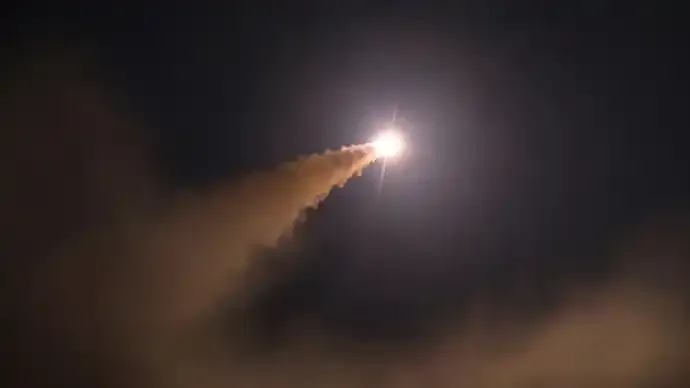

The conflict between Iran and the United States has escalated sharply after Tehran launched coordinated missile and drone strikes targeting US-linked military facilities across the Gulf in response to fresh American attacks.
Iran claimed it struck Patriot air defence systems, radar installations, ammunition depots, and military infrastructure in several Gulf countries hosting US forces. Meanwhile, the US Central Command (CENTCOM) said its latest military operation targeted Iranian missile systems, air defence assets, drones, and naval capabilities to reduce threats to commercial shipping in the Strait of Hormuz.
The latest exchange has raised concerns over regional security and cast fresh doubt on diplomatic efforts aimed at easing tensions.

Key Highlights
- Iran launched missile and drone strikes following fresh US military attacks.
- Tehran claimed it targeted Patriot missile systems, radar sites, and US military infrastructure across the Gulf.
- The US said its strikes focused on Iranian missile, drone, and air defence capabilities.
- Regional tensions have intensified around the Strait of Hormuz.
- The latest escalation has weakened hopes for renewed diplomatic talks.
Iran Announces Coordinated Retaliatory Offensive
Iran said its armed forces carried out coordinated attacks against multiple US-linked military facilities across the Gulf following American strikes on Iranian military targets.
According to Iranian statements, the attacks targeted:
- Patriot air defence systems
- Radar installations
- Ammunition depots
- Military communications infrastructure
- Drone-related facilities
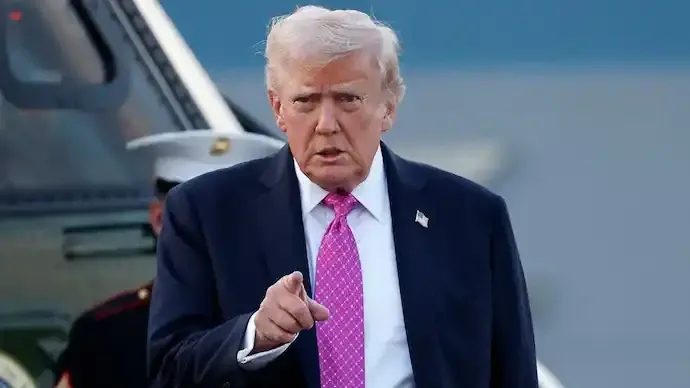
Tehran also warned that any further military action by the United States would trigger a stronger response.
US Says Strikes Targeted Iranian Military Assets
The US Central Command (CENTCOM) confirmed that American forces conducted fresh strikes on multiple Iranian military targets.
According to US officials, the operation involved fighter aircraft, naval assets, and unmanned systems targeting:
- Air defence systems
- Missile launch capabilities
- Coastal radar sites
- Drone infrastructure
- Small naval vessels linked to the Islamic Revolutionary Guard Corps (IRGC)
Washington said the objective was to reduce Iran's ability to threaten international commercial shipping through the Strait of Hormuz.
Strait of Hormuz Remains at the Centre of the Crisis
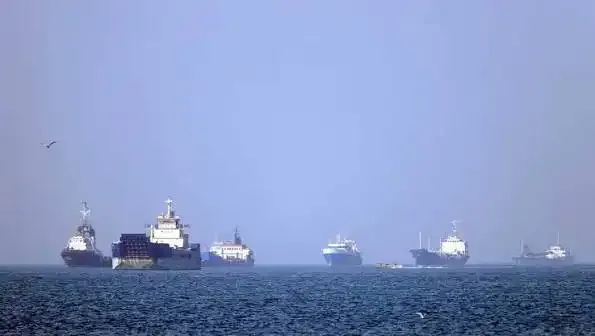
The latest military exchange has further heightened tensions around the Strait of Hormuz, one of the world's most strategically important maritime trade routes.
Recent hostilities have increased concerns over:
- Commercial shipping security
- Global energy supplies
- Regional military stability
- International trade routes
While Iran has asserted greater control over maritime activity in the area, US officials maintain that commercial navigation continues despite elevated security risks.
Gulf Countries Feel the Impact
The conflict has expanded beyond Iran and the United States, affecting several Gulf nations that host American military facilities.
Regional governments have reported missile interceptions, drone activity, and heightened security measures as authorities continue monitoring the evolving situation.
Several countries have also urged restraint to prevent a wider regional conflict.
Ceasefire Efforts Face New Challenges
The renewed military exchanges have significantly reduced optimism surrounding recent diplomatic initiatives aimed at lowering tensions between Washington and Tehran.
Analysts warn that continued retaliatory actions could further complicate negotiations and increase uncertainty across the Middle East.
International observers continue to call for dialogue as concerns grow over the broader regional and economic implications of the conflict.
Why This Matters
The latest escalation marks one of the most significant exchanges between Iran and the United States in recent months.
Beyond the immediate military confrontation, continued instability around the Strait of Hormuz has implications for global energy markets, international shipping, and regional security.
With both sides maintaining firm positions, diplomatic efforts to prevent a broader conflict face increasing challenges.
Frequently Asked Questions (FAQs)
Q1. Why did Iran launch fresh strikes?
Iran said the attacks were carried out in retaliation for recent US military strikes targeting Iranian missile systems and other military infrastructure.
Q2. What did Iran claim to target?
Iran claimed it struck Patriot missile systems, radar sites, ammunition depots, and other US-linked military facilities across the Gulf.
Q3. What did the US target inside Iran?
According to CENTCOM, US forces targeted Iranian missile systems, air defence assets, drones, coastal radar installations, and naval capabilities.
Q4. Why is the Strait of Hormuz important?
The Strait of Hormuz is one of the world's busiest energy shipping routes, making any military escalation in the region significant for global trade and oil markets.
Q5. Is diplomacy between the US and Iran continuing?
Recent military exchanges have complicated diplomatic efforts, with analysts warning that renewed hostilities may delay or undermine future negotiations.






Conversation
Be kind and stay on topic. Comments are moderated; abuse, spam and personal attacks are removed. Report a problem