

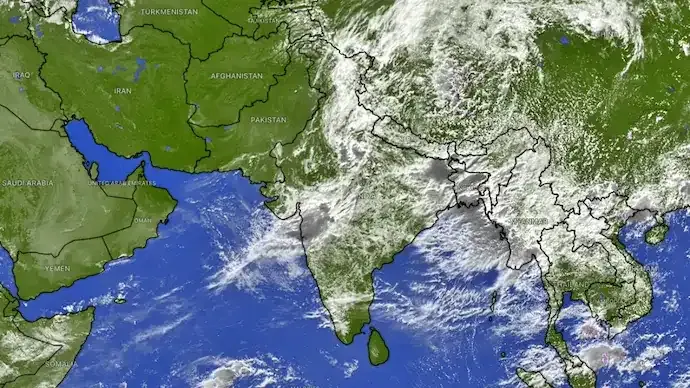

The southwest monsoon has regained momentum across large parts of India, significantly reducing the country's cumulative rainfall deficit to 19% after a slow start to the season. However, the improvement has not been uniform, with Delhi and several northern states continuing to receive substantially below-normal rainfall.
According to the latest data released by the India Meteorological Department (IMD), India received 179.4 mm of rainfall between June 4 and July 8, against the seasonal normal of 222 mm. The recovery marks a notable improvement from the much larger rainfall deficit recorded during June.
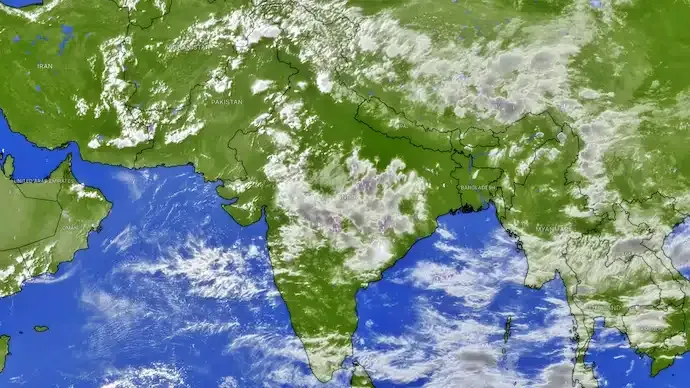
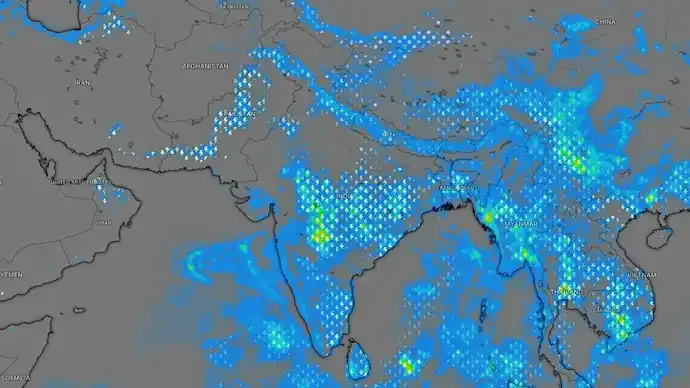
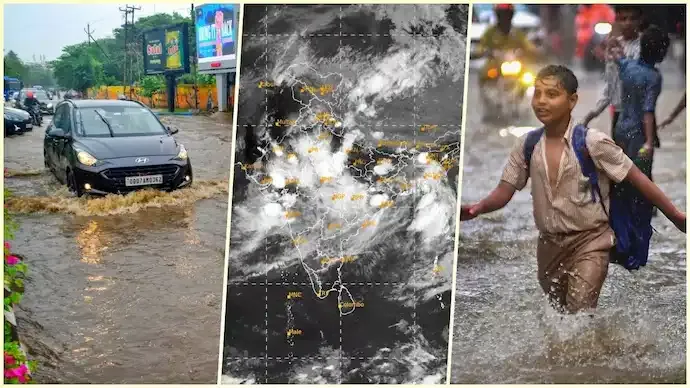
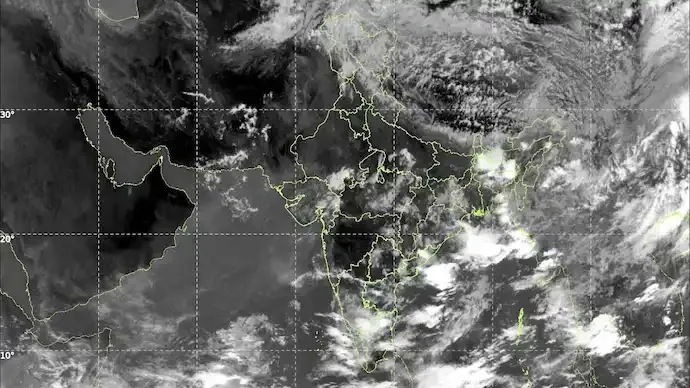
Meteorologists say widespread rainfall over central, western and eastern India has driven the revival, while parts of north India continue to wait for stronger monsoon activity.

National rainfall deficit improves after July revival
The latest IMD figures indicate that monsoon activity has strengthened considerably over the past few days.
Key rainfall data:
- Actual rainfall (June 4–July 8): 179.4 mm
- Normal rainfall: 222 mm
- National rainfall deficit: 19%
The improvement follows widespread rainfall across several states, helping replenish reservoirs, improve soil moisture and support the ongoing kharif sowing season.
Why has the monsoon improved?
Weather experts attribute the recovery to an increase in monsoon activity across:
- Central India
- Western India
- Eastern India
Several states that had been experiencing rainfall shortages have now returned to near-normal conditions, while some regions have even recorded surplus rainfall.
The improved rainfall distribution has eased concerns over delayed agricultural operations in many parts of the country.
Delhi continues to struggle with rainfall shortage
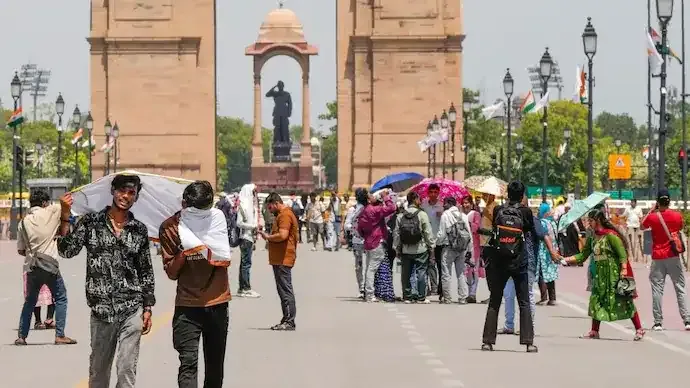
Despite the nationwide improvement, Delhi remains among the worst-affected regions.
According to IMD data, the national capital continues to record a 51% rainfall deficit, indicating that monsoon showers have remained significantly below seasonal averages.
The prolonged shortfall has raised concerns regarding:
- Water availability
- Groundwater recharge
- Urban heat and humidity
- Agricultural requirements in surrounding regions
Weather officials expect rainfall activity over northwest India to improve in the coming days, though the pace of recovery remains uncertain.
Regional disparities remain significant
The latest monsoon update highlights the uneven distribution of rainfall across the country.
Regions showing improvement
Several parts of:
- Central India
- Western India
- Eastern India
have witnessed widespread rainfall, reducing seasonal deficits considerably.
Regions still facing shortages
Some northern states, including Delhi, continue to experience below-normal rainfall, creating contrasting weather conditions despite the overall national improvement.
Meteorologists note that such regional variations are common during the southwest monsoon season.
Impact on agriculture
The strengthening monsoon is expected to benefit the agricultural sector by improving soil moisture and supporting kharif crop cultivation.
Improved rainfall may help farmers by:
- Accelerating sowing activities.
- Increasing soil moisture levels.
- Supporting paddy, soybean, maize and pulses cultivation.
- Improving reservoir inflows for irrigation.
However, rainfall-deficient regions may continue to face challenges if monsoon activity remains weak over the coming weeks.
Water resources likely to improve
The revival of rainfall is expected to positively impact:
- Reservoir storage
- River flows
- Groundwater recharge
- Drinking water availability
- Irrigation supplies
Nevertheless, areas experiencing persistent rainfall deficits could continue to face water management challenges until rainfall normalises.
What the IMD expects next
Weather conditions indicate that active monsoon conditions are likely to continue across several parts of the country.
Meteorologists will continue monitoring:
- Movement of monsoon systems.
- Rainfall distribution across regions.
- Low-pressure systems over the Bay of Bengal.
- Weather conditions over northwest India.
Further rainfall during July will play a crucial role in determining whether the seasonal rainfall deficit narrows further.
Featured Snippet
India's southwest monsoon has reduced the national rainfall deficit to 19%, with 179.4 mm of rainfall recorded against the seasonal normal of 222 mm between June 4 and July 8. However, Delhi continues to record a 51% rainfall deficit, highlighting significant regional disparities.
Key Highlights
- India's rainfall deficit has reduced to 19%.
- IMD recorded 179.4 mm rainfall against a normal of 222 mm.
- Central, western and eastern India have seen strong monsoon revival.
- Delhi continues to face a 51% rainfall shortfall.
- Regional rainfall disparities remain significant.
- Improved rainfall is expected to benefit agriculture and reservoirs.
- IMD continues to monitor monsoon progression across the country.
Conclusion
The southwest monsoon has made a welcome comeback across much of India, easing the national rainfall deficit and offering relief to agriculture and water resources. However, the uneven distribution of rainfall remains a concern, particularly for Delhi and parts of northern India, where significant deficits persist. As July progresses, sustained monsoon activity will be crucial in narrowing these regional gaps and ensuring a stronger agricultural season.
FAQs
1. What is India's current rainfall deficit?
According to the IMD, India's cumulative rainfall deficit stands at 19% as of July 8, 2026.
2. How much rainfall has India received so far?
The country has received 179.4 mm of rainfall against the seasonal normal of 222 mm between June 4 and July 8.
3. Why has the rainfall deficit improved?
Widespread rainfall across central, western and eastern India has significantly improved the overall monsoon performance.
4. Why is Delhi still facing a rainfall deficit?
Delhi continues to record a 51% shortfall because monsoon rainfall has remained well below the seasonal average.
5. How does the improved monsoon help farmers?
Better rainfall improves soil moisture, supports kharif crop sowing and increases irrigation water availability.
6. Which regions have received good rainfall?
Central, western and eastern India have witnessed stronger monsoon activity in recent days.
7. What challenges remain despite the monsoon revival?
Several northern regions continue to face below-normal rainfall, affecting water resources and agriculture.
8. Will the rainfall deficit reduce further?
Future monsoon activity during July will determine whether the national and regional rainfall deficits continue to decline.




Conversation
Be kind and stay on topic. Comments are moderated; abuse, spam and personal attacks are removed. Report a problem