

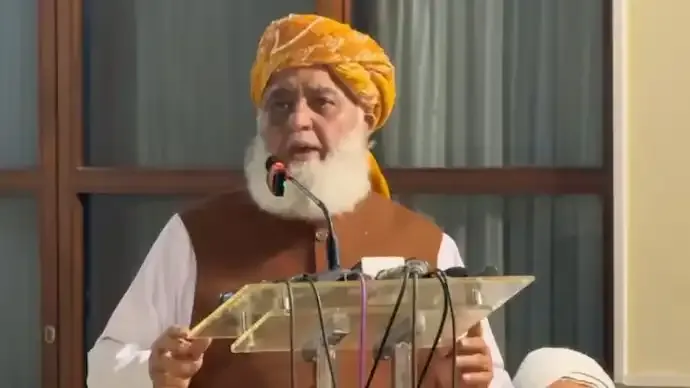

Senior Pakistani opposition leader Maulana Fazlur Rehman has launched a sharp attack on Pakistan's military establishment, rejecting calls for civilians to form armed groups against militancy and challenging the country's military leadership to contest elections if it wishes to play a political role.
The Jamiat Ulema-e-Islam (F) (JUI-F) chief argued that combating terrorism is the responsibility of the state, warning that encouraging citizens to take up arms could create long-term cycles of violence and instability.
His remarks come amid renewed debate in Pakistan over the military's role in national security and politics.

Key Highlights
- Maulana Fazlur Rehman criticised Pakistan's military leadership over calls for civilian participation in counterterrorism.
- He rejected proposals for citizens to form militias, calling security the state's responsibility.
- Rehman challenged military leaders to contest democratic elections if they wish to influence politics.
- The veteran politician warned that arming civilians could fuel long-term violence and personal vendettas.
- His remarks add to ongoing political debate over civil-military relations in Pakistan.
Rehman Rejects Calls for Civilian Militias
Speaking at a public event, Maulana Fazlur Rehman strongly opposed suggestions that civilians should organise armed groups to support military operations against militant organisations.
He argued that protecting citizens and maintaining internal security are constitutional responsibilities of the state and its security institutions.
According to Rehman, transferring that responsibility to ordinary citizens could have dangerous long-term consequences for society.
Challenge to Pakistan's Military Leadership
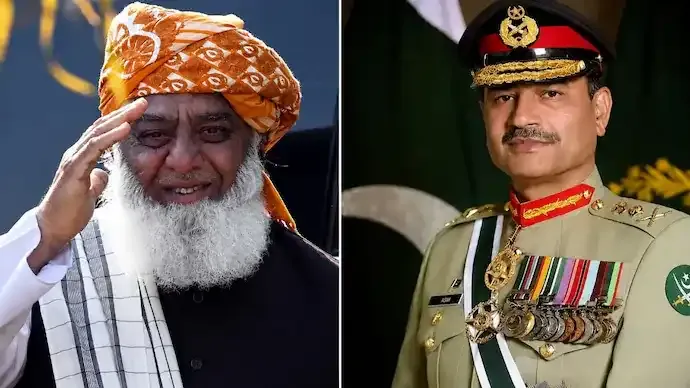
During his address, Rehman also questioned the military's influence in Pakistan's political landscape.
Without directly naming specific individuals, he suggested that any military leader seeking political authority should resign from service and participate in democratic elections.
His comments reflected longstanding concerns expressed by opposition parties regarding the relationship between Pakistan's military establishment and civilian politics.
Warning Against Long-Term Violence
Rehman cautioned that encouraging civilians to form armed groups could intensify local conflicts and create enduring cycles of revenge and violence.
He maintained that counterterrorism operations should remain under the control of state institutions rather than community-based militias.
The veteran politician argued that relying on civilian armed groups could weaken the rule of law and complicate future security efforts.
Political Context
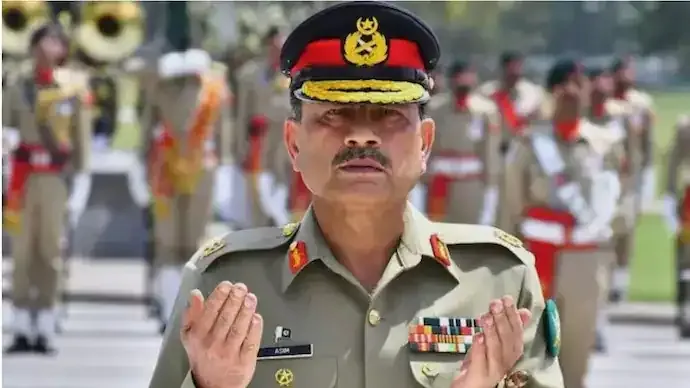
The remarks follow recent appeals from Pakistan's military leadership for broader public support in combating militancy.
The issue has sparked debate across Pakistan regarding:
- National security responsibilities.
- Civil-military relations.
- Counterterrorism strategy.
- Democratic governance.
- Political accountability.
Rehman's comments also continue his long-standing criticism of the military establishment's perceived role in Pakistan's political affairs.
JUI-F's Position in Pakistan Politics
Maulana Fazlur Rehman leads the Jamiat Ulema-e-Islam (F), one of Pakistan's major religious-political parties.
The party remains an influential opposition force in Pakistan's Parliament and has frequently voiced concerns over governance, security policies, and the country's political direction.
Rehman has consistently advocated for strengthening democratic institutions and limiting military involvement in civilian political processes.
Why This Matters
The latest remarks highlight the continuing debate over the balance between civilian leadership and military influence in Pakistan.
They also come at a time when the country continues to face security challenges linked to militancy and terrorism.
The discussion surrounding counterterrorism policy, democratic accountability, and institutional responsibilities is expected to remain central to Pakistan's political discourse in the coming months.
Frequently Asked Questions (FAQs)
Q1. Why is Maulana Fazlur Rehman in the news?
He criticised Pakistan's military leadership, rejected calls for civilians to form militias, and challenged military leaders to contest elections if they wish to influence politics.
Q2. What did Maulana Fazlur Rehman say about militias?
He argued that fighting terrorism is the responsibility of the state and warned that encouraging civilians to take up arms could create long-term violence.
Q3. Which political party does Maulana Fazlur Rehman lead?
He is the chief of the Jamiat Ulema-e-Islam (F) (JUI-F).
Q4. Why are his remarks significant?
They contribute to the ongoing debate over civil-military relations and the role of Pakistan's armed forces in political affairs.
Q5. What is the broader issue behind the controversy?
The debate centres on counterterrorism policy, democratic governance, and the relationship between civilian institutions and the military in Pakistan.





Conversation
Be kind and stay on topic. Comments are moderated; abuse, spam and personal attacks are removed. Report a problem