

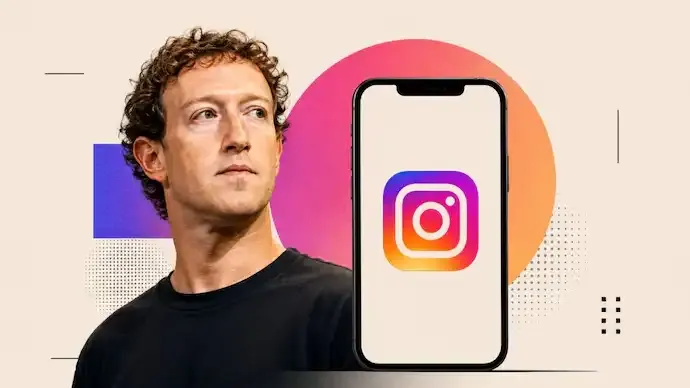

Meta has removed a controversial feature from its newly launched AI image generation tool after widespread criticism over privacy and consent. The feature, part of Muse Image, allowed users to generate AI-created images of people with public Instagram accounts simply by mentioning their usernames in a prompt.
The decision comes just days after the rollout triggered backlash from users, privacy advocates and members of the entertainment industry, who argued that the feature made it too easy to create AI-generated images of individuals without their explicit permission.
In a statement announcing the change, Meta acknowledged that the feature "missed the mark" and confirmed it had been suspended.

Meta Admits the Feature "Missed the Mark"
Confirming the rollback, Meta said the feature was originally designed to give people more creative ways to interact with public content while allowing account owners to control whether their content could be referenced.
However, after receiving significant feedback from users, the company decided to withdraw the functionality.
Meta stated that although its intention was to build a useful creative tool, it recognised concerns raised by users and chose to remove the feature entirely.
Muse Image itself remains available, but the option to generate AI images by tagging another person's Instagram account has now been disabled.
Why the Feature Sparked Outrage
The biggest concern centred on consent.
Under the original rollout, all public Instagram accounts were automatically opted in. This meant anyone with a public profile could become the subject of AI-generated images unless they manually changed their account settings.
Users were also not notified when someone generated AI images using their Instagram profile.
Critics argued that this approach created significant privacy risks and opened the door to misuse, particularly because images could be generated without an individual's knowledge or approval.
Private Instagram accounts and users below the age of 18 were excluded from the feature.
Feature No Longer Works
Following the rollback, users attempting to tag another person's Instagram account while creating an image through Meta AI will now receive a refusal instead of a generated image.
Meta has also removed the Instagram setting titled:
"Allow people to reuse your content on Instagram and with AI features on Meta."
The removal signals the company's decision to discontinue this specific functionality rather than simply making it optional.
Hollywood Agency Also Raised Concerns
The controversy extended beyond everyday users.
Creative Artists Agency (CAA), one of Hollywood's largest talent agencies representing several internationally recognised actors, publicly criticised the feature shortly after its launch.
The agency argued that people should be opted in by default, rather than being automatically included unless they manually disabled the feature.
The statement reflected growing concerns across the entertainment industry about AI-generated likenesses and the protection of digital identities.
Not the First AI Tool to Face Privacy Criticism
Meta is not the only technology company to encounter criticism over AI-generated media.
Several AI platforms have faced scrutiny in recent months over issues involving consent, digital likeness and user safety.
The broader debate has focused on how companies balance innovation with privacy protections, particularly as AI-generated content becomes increasingly realistic and widely accessible.
The latest reversal by Meta illustrates how public feedback continues to shape AI product development, especially when new tools involve personal identity and user-generated content.
What Happens Next?
Although Meta has removed the controversial Instagram tagging capability, Muse Image continues to operate as an AI image generation platform.
The company has not announced whether it plans to introduce a revised version of the feature in the future.
For now, the decision represents a shift toward a more cautious approach as technology firms face increasing pressure to strengthen safeguards around AI-generated content and user consent.
Featured Snippet
Meta has suspended its Instagram AI image feature after users criticised it for allowing AI-generated images of public Instagram accounts without explicit consent. The company admitted the rollout "missed the mark" and has removed both the feature and its associated opt-in setting.
Key Highlights
- Meta has removed the controversial Instagram AI image feature.
- The tool previously allowed AI images to be generated using public Instagram accounts.
- Privacy and consent concerns triggered widespread backlash.
- Meta admitted the rollout "missed the mark."
- The AI image feature no longer works when users tag Instagram accounts.
- Meta has also removed the related Instagram settings toggle.
- Muse Image remains available with other image-generation capabilities.
Conclusion
Meta's decision to withdraw the Instagram AI image feature highlights the growing importance of privacy and consent in the AI era. While the company continues investing heavily in generative AI, the backlash demonstrates that users increasingly expect stronger safeguards before their identity or online content can be used to create AI-generated media. The incident may also influence how other technology companies design future AI tools involving personal likenesses.
FAQs
1. Why did Meta remove the Instagram AI image feature?
Meta removed it after widespread criticism over privacy and consent, acknowledging that the feature "missed the mark."
2. What was the feature?
It allowed users to generate AI images of people with public Instagram accounts by simply tagging their usernames in prompts.
3. Is Muse Image still available?
Yes. Muse Image continues to function, but the Instagram tagging capability has been removed.
4. Were private Instagram accounts affected?
No. The feature only applied to public accounts, while private accounts and users under 18 were excluded.
5. Could users opt out of the feature?
Initially, public accounts were automatically opted in and had to manually disable the feature through settings.
6. Did Meta remove the related settings option?
Yes. The company has removed the Instagram setting that previously allowed users to manage AI reuse permissions.
7. Why did privacy advocates object?
Critics argued that AI-generated images could be created without users' knowledge or explicit consent, increasing the risk of misuse.






Conversation
Be kind and stay on topic. Comments are moderated; abuse, spam and personal attacks are removed. Report a problem