



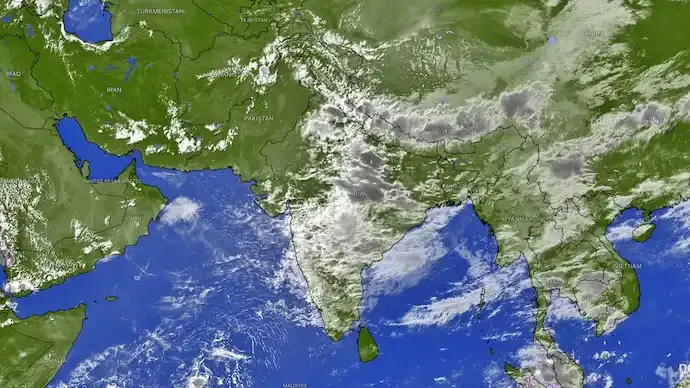
India's southwest monsoon is showing signs of weakening, with rainfall likely to remain below normal during the remaining weeks of the 2026 monsoon season. The uneven distribution of rainfall could worsen moisture deficits across several states, while parts of eastern India may continue to experience heavy rain.
The latest assessment by Skymet Weather projects seasonal rainfall at around 94% of the Long Period Average (LPA), placing the 2026 monsoon in the below-normal category.
The outlook for the second half of the monsoon season is particularly concerning. Rainfall in August is forecast to be around 92% of the LPA, while September rainfall could fall to around 89% of normal levels, potentially making it the weakest month of the season.

Skymet has estimated a 60% probability of below-normal rainfall in August, increasing to 70% in September. The forecast raises concerns about prolonged dry spells and drought-like conditions in parts of the country as the monsoon moves closer to its withdrawal phase.
The rainfall deficit has already become significant. India's cumulative rainfall departure since June 1 stands at 13% below normal, highlighting the uneven performance of the southwest monsoon across different regions.
Punjab, Haryana, Rajasthan, Gujarat, Madhya Pradesh, Maharashtra, Karnataka, Telangana and Andhra Pradesh have been identified among the states particularly vulnerable to rainfall shortages. Extended dry spells in these regions could affect soil moisture, water availability, reservoir levels and the growth of kharif crops.
The rainfall pattern is expected to remain different across eastern India. Bihar, Jharkhand, Chhattisgarh, Odisha, West Bengal and eastern Uttar Pradesh could continue to receive good rainfall through the remainder of August.
The India Meteorological Department has also indicated active monsoon conditions over parts of eastern and central India due to a depression located over Jharkhand.
Very heavy rainfall is expected in Jharkhand, Chhattisgarh and eastern Madhya Pradesh over the next 24 hours. Moderate to heavy rain is also likely across eastern and central Uttar Pradesh, Uttarakhand and Himachal Pradesh.
Northwestern India, meanwhile, remains under the influence of relatively dry air. Changes in the monsoon trough could trigger isolated showers over Punjab, Haryana, Delhi-NCR, Chandigarh and western Uttar Pradesh, but rainfall coverage is expected to remain limited in most areas.
The growing contrast between wet and dry regions could create different weather-related risks across the country. Eastern states may face localized flooding from repeated heavy rainfall, while parts of central and northwestern India could see worsening moisture deficits as the monsoon approaches September.
The weakening monsoon and strengthening El Nino signals could therefore become increasingly important for agriculture and water resources in the weeks ahead, particularly in areas already experiencing below-normal rainfall.







Conversation
Be kind and stay on topic. Comments are moderated; abuse, spam and personal attacks are removed. Report a problem