

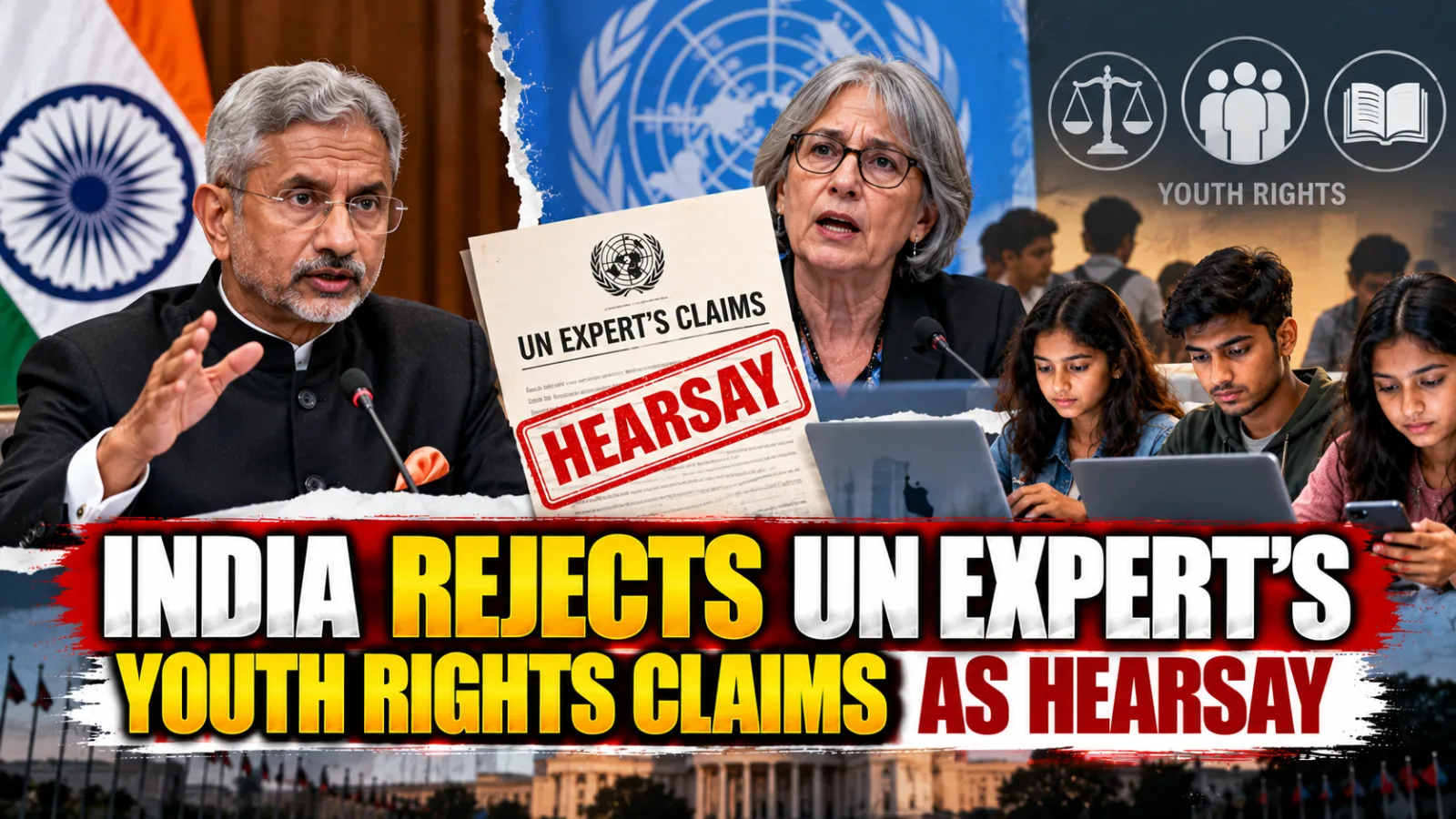

United Nations: India has rejected a report by UN Special Rapporteur Gina Romero on youth rights, describing its claims about young people facing retaliation or stigma for discussing mental health and gender justice as “hearsay”. New Delhi argued that the report relied on anonymous submissions rather than adequately verified evidence.
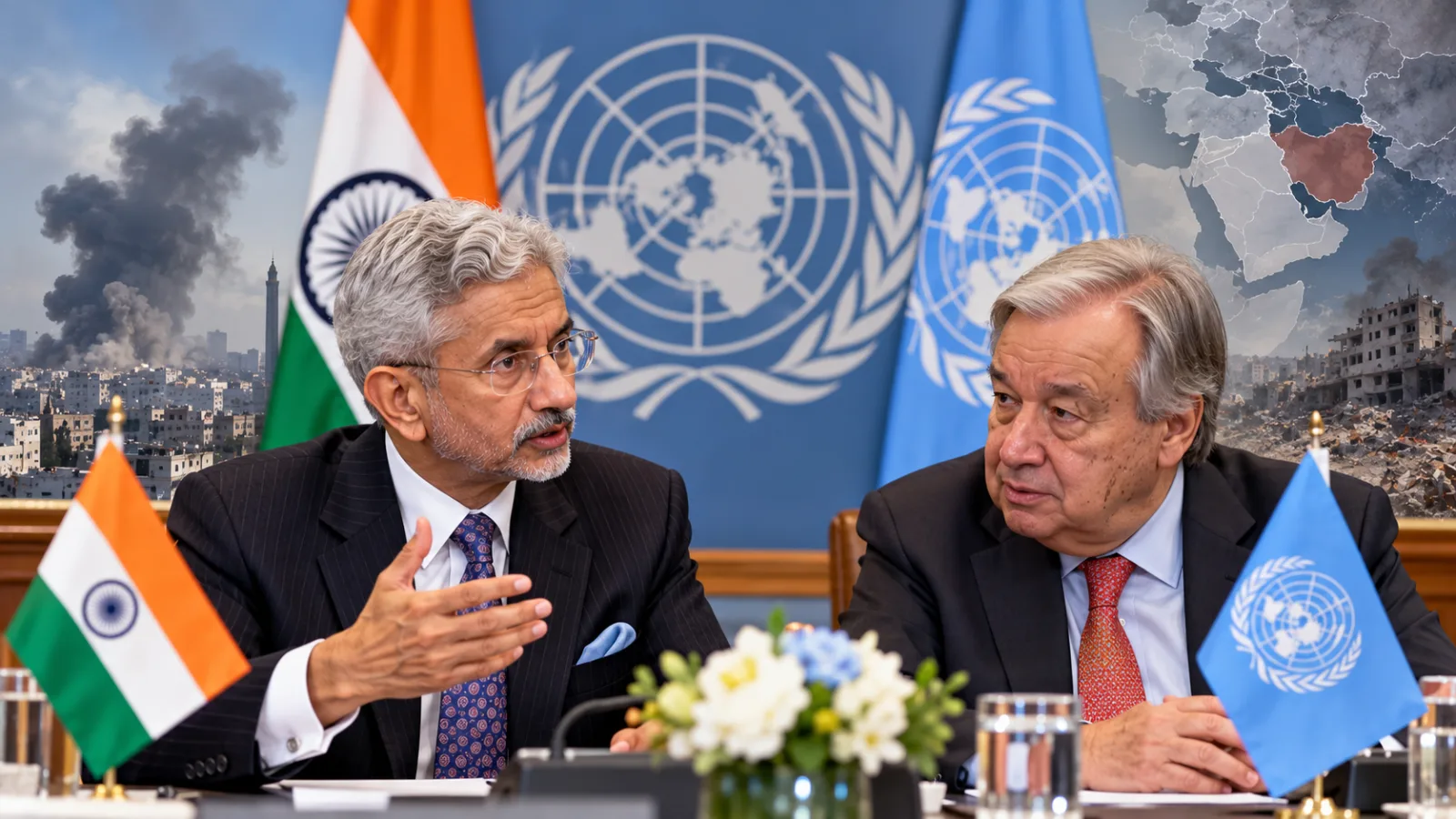
India’s objections were raised by Anuj Swarup, First Secretary at India’s Permanent Mission to the United Nations, during an interactive dialogue at the 81st session of the UN General Assembly’s Third Committee.
Swarup questioned Romero’s findings on freedom of peaceful assembly and association, particularly her assertion that young people in India had experienced retaliation or stigmatisation over sensitive social issues.

India Questions Evidence Behind UN Report
Swarup argued that broad allegations concerning India’s youth population should not be based on unnamed and unverified accounts. He urged the Special Rapporteur to verify claims before drawing conclusions about the country.
He also criticised the report’s reference to the Cockroach Janata Party, described as a satirical political movement created by Indian youth.
According to Swarup, the existence of a satirical youth movement that questions the government and engages with senior political leaders contradicted the report’s portrayal of restrictions on youth participation.
He further argued that such reporting risked undermining confidence in UN institutions, stressing the importance of fairness and evidentiary rigour in human rights assessments.
India Cites Constitutional Protections and Youth Engagement
India maintained that freedom of speech and expression, peaceful assembly and association are protected under Article 19 of the Constitution. Swarup also cited the role of the judiciary, the press and the National Human Rights Commission in safeguarding rights.
He referred to student protests over alleged irregularities in public examinations, saying the government had engaged with students and that Parliament subsequently amended the Public Examinations Act. He said the changes strengthened penalties for examination fraud and introduced measures to improve enforcement.
Swarup also highlighted the Viksit Bharat Young Leaders Dialogue, stating that more than five million young people participated in the initiative during the year and contributed to discussions on national priorities.
Dispute Highlights Differing Assessments of Youth Rights
The exchange reflects a disagreement over how youth rights concerns should be documented and assessed. While Romero’s report raised concerns about experiences reported by young Indians, India challenged the evidence cited and defended its constitutional framework and engagement with young people.
The central issue remains the competing assessments of youth freedoms and the standards of evidence used in evaluating human rights conditions.





Conversation
Be kind and stay on topic. Comments are moderated; abuse, spam and personal attacks are removed. Report a problem