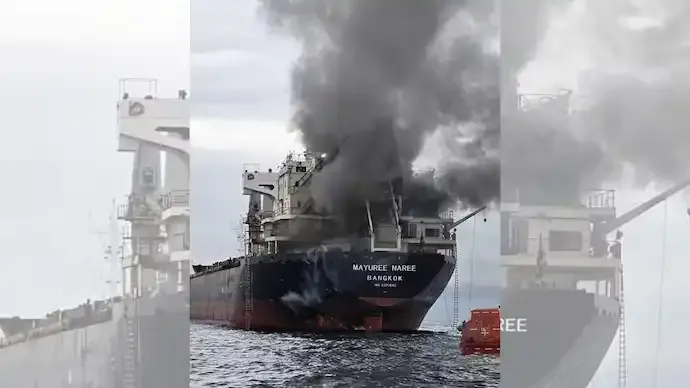
As geopolitical tensions escalated across the Gulf region, Indian seafarers working aboard commercial vessels found themselves trapped in one of the world's most dangerous maritime zones.
Reports emerging from the Strait of Hormuz reveal a disturbing picture of merchant ships struck by attacks, desperate emergency calls, delayed rescue efforts, and Indian sailors paying the ultimate price despite having no connection to the conflict itself.
The incidents have reignited concerns about the safety of thousands of Indian maritime workers operating in international waters during periods of military confrontation.
Vital Shipping Route Became a Conflict Zone
The Strait of Hormuz is one of the most strategically important waterways in the world.
A significant portion of global oil shipments passes through the narrow corridor connecting the Persian Gulf to international markets.
When tensions between regional and global powers intensified, commercial shipping quickly became vulnerable.
For Indian seafarers working aboard cargo ships, oil tankers, and merchant vessels, routine assignments suddenly transformed into life-threatening missions.
Multiple Vessels Reportedly Attacked
According to reports, several vessels carrying Indian crew members were affected during recent military operations in and around the Gulf region.
Ships mentioned in reports include:
-
MT Marivex
-
Settebello
-
MT Jalveer
The incidents allegedly resulted in fatalities, injuries, and extensive disruption to crew operations.
The attacks have drawn attention to the risks faced by civilian maritime workers operating in conflict-prone waters.
Distress Calls Highlight Desperation at Sea
One of the most troubling aspects of the incidents involves reports of repeated emergency calls transmitted by affected vessels.
According to accounts from the ships, crew members issued urgent SOS messages after suffering damage and onboard fires.
The reported distress signals reflected panic among sailors attempting to secure assistance while managing dangerous conditions at sea.
For crews isolated hundreds of kilometres from shore, immediate rescue and emergency support can mean the difference between survival and tragedy.
Indian Sailors Among the Victims
Reports indicate that at least three Indian seafarers lost their lives during the incidents.
The deaths have sparked concern among maritime organisations, families of crew members, and policymakers responsible for the welfare of Indian nationals working abroad.
India is one of the world's largest suppliers of maritime manpower, with thousands of Indian sailors employed on international vessels operating across global trade routes.
Separate Tragedy on MT Celestial
In addition to the reported missile-related incidents, another tragedy unfolded aboard MT Celestial.
According to reports, a sailor died on board the vessel while evacuation and repatriation efforts faced delays.
The incident highlighted another challenge confronting seafarers during regional crises: obtaining timely medical evacuation and emergency assistance.
Maritime experts have long warned that operational disruptions during conflicts can severely affect access to healthcare and emergency services at sea.
Safety Concerns for Indian Seafarers Grow
The latest incidents have intensified concerns regarding the safety of Indian maritime personnel in high-risk regions.
Industry experts point to several challenges:
-
Military activity near commercial routes
-
Delayed rescue operations
-
Limited emergency response capabilities
-
Navigation risks
-
Communication difficulties during conflicts
These factors can create dangerous conditions even for vessels not directly involved in military operations.
India's Maritime Workforce Is Critical to Global Trade
Indian seafarers play a major role in global shipping.
Thousands serve aboard:
-
Oil tankers
-
Container vessels
-
Bulk carriers
-
Cargo ships
-
Offshore support vessels
Their work supports international trade, energy transportation, and global supply chains.
However, events in the Gulf demonstrate how quickly geopolitical conflicts can affect civilian workers operating far from home.
Calls for Greater Protection
The incidents have renewed discussions about improving protection mechanisms for merchant sailors.
Experts and maritime organisations have suggested measures such as:
-
Enhanced security advisories
-
Improved emergency response coordination
-
Faster evacuation procedures
-
Greater diplomatic engagement
-
Better communication systems
Protecting civilian crews remains a significant challenge whenever commercial shipping routes intersect with military tensions.
Human Cost Often Overlooked
While global attention often focuses on oil prices, military developments, and diplomatic negotiations, the experiences of merchant sailors frequently receive less attention.
The recent incidents serve as a reminder that behind every geopolitical crisis are ordinary workers carrying out essential duties under increasingly dangerous conditions.
For the families of those affected, the consequences extend far beyond headlines and international politics.
A Reminder of the Risks at Sea
The events near the Strait of Hormuz underscore the vulnerabilities faced by Indian seafarers working in some of the world's most sensitive maritime regions.
As governments pursue diplomatic solutions and efforts continue to stabilise the Gulf, ensuring the safety of civilian crews must remain a priority.
The loss of lives, reports of unanswered distress calls, and delays in assistance highlight the urgent need for stronger safeguards for maritime workers who keep global trade moving even during times of conflict.