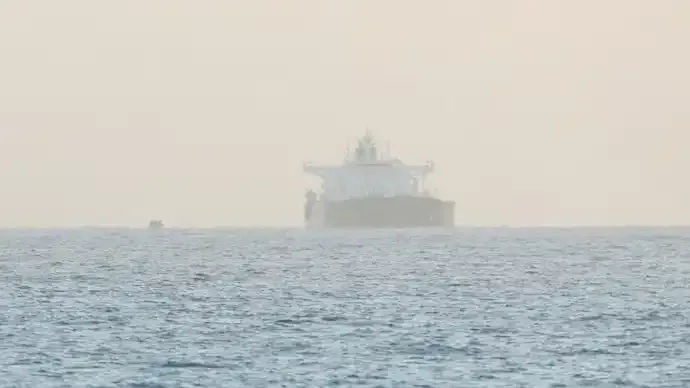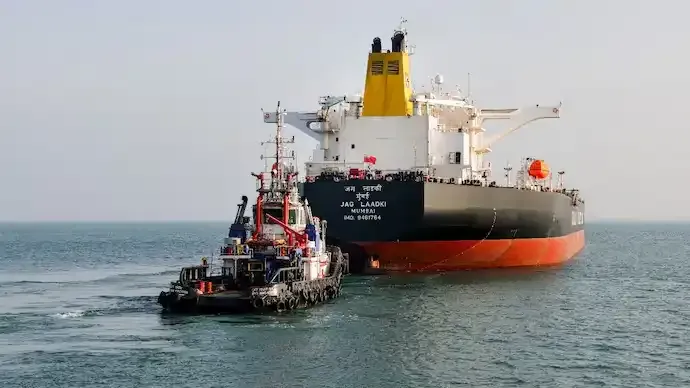
At least seven oil tankers carrying Russian crude, originally headed for China, have reportedly changed course and are now moving towards India. This sudden shift highlights India’s strategic move to secure energy supplies during a period of global uncertainty.
US Waiver Enables India to Buy Sanctioned Oil
The rerouting comes after India received a temporary waiver from the United States, allowing it to purchase Russian oil that had been impacted by sanctions and left stranded at sea. This decision has opened a window for India to access additional crude supplies at a crucial time.
The waiver reflects a balancing act in global geopolitics, where energy security remains a top priority despite ongoing sanctions and international tensions.
Iran War Disruptions Impact Global Oil Flow
The redirection of these shipments is also linked to disruptions caused by the ongoing Iran-related conflict. The instability in key oil transit routes has forced countries to rethink supply chains and secure alternative sources of energy.
With the Strait of Hormuz being a critical route for global oil transport, any tension in the region directly impacts supply availability and pricing.
India Strengthens Energy Security Strategy
India’s decision to redirect these tankers aligns with its broader strategy of diversifying oil imports and ensuring stable supply amid global disruptions. By capitalising on available opportunities, India is working to safeguard its energy needs and reduce vulnerability to geopolitical shocks.
Ports such as Mundra are expected to handle increased crude arrivals as these shipments reach Indian shores.
Impact on China and Global Oil Markets
The diversion of tankers originally meant for China could have ripple effects on global oil distribution and pricing dynamics. While China may look for alternative supplies, India’s gain could shift short-term market trends.
Experts believe such rerouting decisions indicate a flexible and rapidly changing global energy landscape, influenced heavily by political developments and supply constraints.
What Lies Ahead for Global Energy Trade
This development underscores how geopolitical tensions, sanctions, and strategic decisions are reshaping global energy flows. Countries are increasingly adapting to changing conditions by adjusting supply routes and forming new trade alignments.
As the situation evolves, global oil markets are expected to remain volatile, with nations prioritising energy security and stability.