

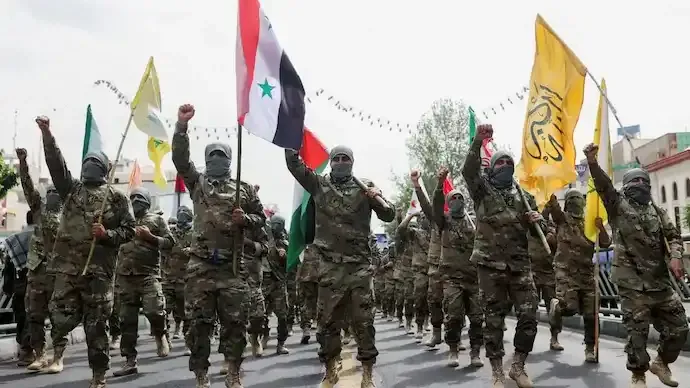

Iran’s political landscape is witnessing a significant shift, with the Islamic Revolutionary Guard Corps (IRGC) reportedly consolidating control amid ongoing conflict and internal uncertainty. The development has raised global concerns over who holds real authority in the country.
The situation comes at a time when Iran is dealing with external pressures and internal power dynamics.
Leadership Uncertainty Deepens Crisis
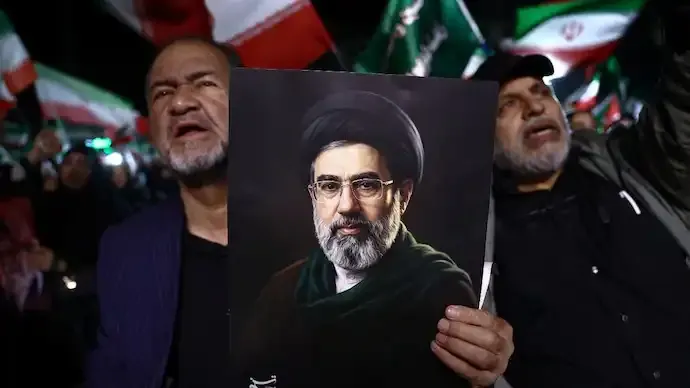
The uncertainty surrounding the whereabouts of Mojtaba Khamenei has added to speculation about Iran’s leadership structure. His absence from public view has created a vacuum, intensifying questions about decision-making authority.

This uncertainty has allowed other power centres within the country to expand their influence.
IRGC Tightens Grip Over Governance
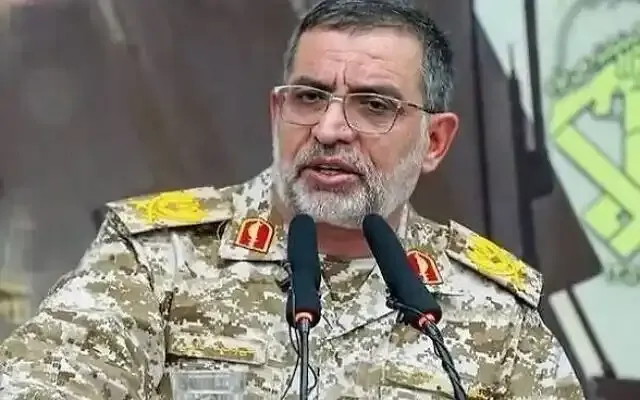
The Islamic Revolutionary Guard Corps has reportedly taken a more direct role in governing, including making critical and sensitive decisions. Sources suggest that the IRGC has effectively sidelined the civilian leadership.
President Marginalised Amid Power Struggle
Iran’s president, Masoud Pezeshkian, is believed to have been pushed to the sidelines as the IRGC assumes greater control. This shift reflects an ongoing power struggle within the country’s leadership structure.
The growing dominance of the military establishment indicates a change in how key decisions are being made.
Global Statements Add to Speculation
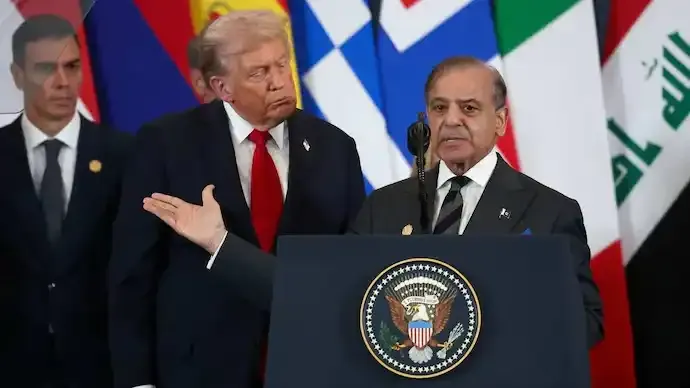
Amid these developments, Donald Trump stated that negotiations related to the ongoing conflict were underway with what he described as more moderate leaders. However, Iranian authorities have denied such claims.
These contrasting narratives have further fuelled uncertainty about Iran’s internal political situation.
Implications for Regional Stability
The rise of the IRGC as a dominant force could have significant implications for regional stability and international relations. A stronger military-led decision-making process may influence Iran’s approach to diplomacy, security, and conflict management.
Observers are closely monitoring the situation as it continues to evolve.
Uncertain Future for Iran’s Governance
As the power struggle unfolds, Iran’s governance structure appears to be undergoing a transformation. The balance between civilian leadership and military influence remains a key factor in determining the country’s future direction.
The coming weeks are likely to provide more clarity on how authority is distributed and exercised within Iran.






Conversation
Be kind and stay on topic. Comments are moderated; abuse, spam and personal attacks are removed. Report a problem