

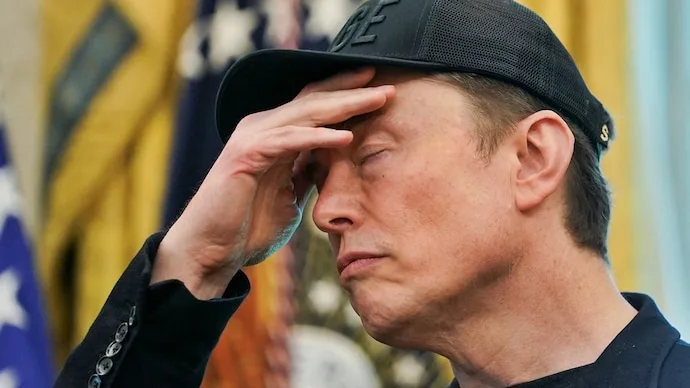

Elon Musk Starlink India approval has become a talking point after his AI chatbot, Grok, outlined several potential disadvantages of allowing the satellite internet service to operate in the country. Its response highlighted concerns over national security, data sovereignty, affordability and dependence on a foreign technology provider.
The response attracted attention online because Grok is developed by Musk’s company, xAI. Users on X reacted with memes, joking that the chatbot had exposed its boss’s plans. However, Grok’s assessment is not an official verdict on Starlink or a confirmation that the identified risks cannot be managed.
National Security Concerns Take Centre Stage
One of the major concerns identified by Grok was national security. A satellite network controlled by a foreign company could raise questions about India’s ability to ensure service availability, particularly in sensitive border regions and during emergencies.

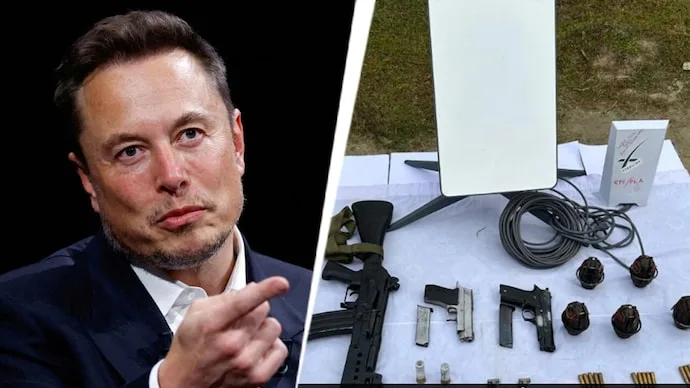
The possibility of satellite internet terminals being misused by militants or smugglers has also contributed to scrutiny of the technology. For regulators, the challenge is to balance wider connectivity with the need to protect sensitive communications infrastructure.
Data Sovereignty and Regulatory Oversight
Grok also highlighted data sovereignty and lawful interception. Starlink’s interconnected satellite network, which uses laser links between satellites, could create additional technical and regulatory questions about how communications traffic is routed and monitored.
India would need to ensure that any authorised service complies with applicable domestic laws, security requirements and lawful interception obligations. The extent of these challenges would depend on the network’s architecture and the conditions imposed through licensing and regulation.
Can Starlink Compete on Affordability?
Cost is another potential obstacle. Starlink requires specialised user equipment, while its subscription plans may be more expensive than conventional broadband or mobile internet services. This could limit adoption among price-sensitive Indian consumers, including rural households the service aims to reach.
Grok also flagged the possibility of disrupting the domestic telecom market and increasing dependence on a single American provider, despite the availability of Indian connectivity options.
India’s Decision Involves More Than Connectivity
Starlink could help connect remote areas where conventional networks are difficult to deploy. However, its potential benefits must be weighed against security, affordability, competition and regulatory concerns.
Ultimately, Grok’s response does not settle the debate over Starlink’s entry into India. It underscores the questions policymakers may need to address before deciding how the service should operate.





Conversation
Be kind and stay on topic. Comments are moderated; abuse, spam and personal attacks are removed. Report a problem