Aviation turbine fuel (ATF), commonly known as jet fuel, has crossed the Rs 2 lakh mark for the first time in India, marking a historic surge in aviation costs. The sharp rise comes amid escalating global tensions involving Iran, the United States, and Israel, which have disrupted energy markets.
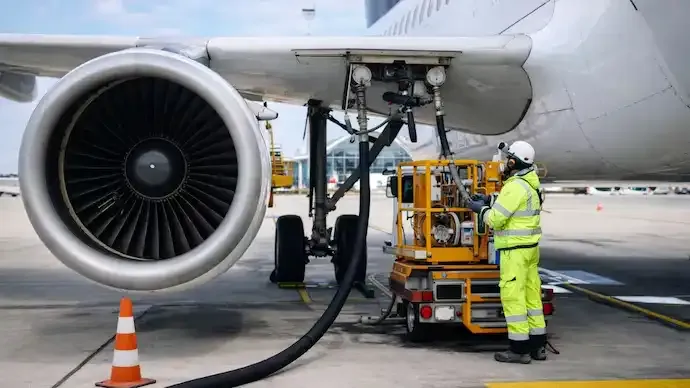
According to official data, ATF prices in New Delhi have jumped to Rs 2,07,341.22 per kilolitre, compared to Rs 96,638.14 earlier. This represents an increase of over 114%, making it the highest level ever recorded.
Crude Oil Surge Driving Fuel Price Spike
The primary reason behind the steep increase in jet fuel prices is the surge in global crude oil rates. As geopolitical tensions intensify, supply disruptions and uncertainty have pushed oil prices higher.
Latest data shows that Brent crude is trading above $105 per barrel, while WTI crude is also above $102. These elevated levels have directly impacted ATF prices, which are closely linked to global oil benchmarks.
Global aviation fuel prices have nearly doubled within a month, rising sharply from around $99 per barrel to over $195, reflecting the intensity of the current crisis.
Airlines Face Rising Operational Costs
The surge in jet fuel prices is significantly increasing operational costs for airlines. Fuel is one of the largest expenses for carriers, and such a steep rise is expected to affect profitability.
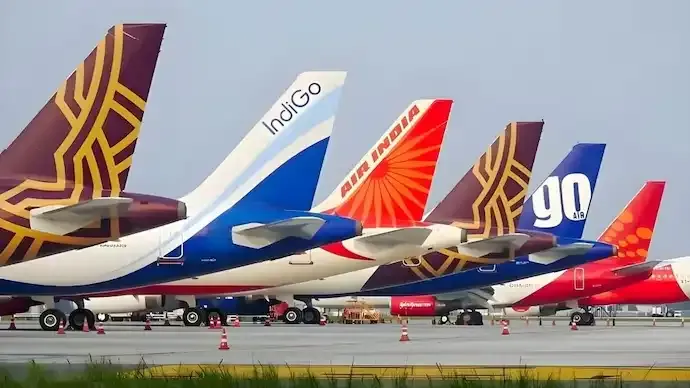
Major airlines, including IndiGo, Air India, and Akasa Air, have already increased fuel surcharges. If prices remain high, passengers may face further fare hikes in the coming weeks.
The situation is further worsened by the weakening rupee, which has hit record lows. Since aviation fuel is priced in US dollars, a weaker currency increases overall costs for airlines, especially for international operations.
Airspace Restrictions Add to Cost Pressure
Apart from fuel prices, airlines are also dealing with operational challenges due to the ongoing conflict. Restrictions in West Asian airspace have forced flights to take longer routes.
These diversions increase fuel consumption and travel time, adding another layer of cost pressure on airlines already struggling with rising fuel expenses.
Government Seeks Tax Relief for Airlines
In response to the crisis, the Civil Aviation Ministry has urged state governments to reduce Value Added Tax (VAT) on jet fuel. Lowering VAT could help ease the financial burden on airlines and prevent sharp increases in ticket prices.
Currently, VAT on ATF varies between 18% and 29% in key states, significantly contributing to the overall cost of aviation fuel.
Aviation Sector Faces Uncertain Outlook
With jet fuel prices at record highs and global oil markets remaining volatile, the aviation sector is likely to face continued pressure. The future trajectory will largely depend on geopolitical developments and whether crude oil prices stabilise.
Until then, airlines may continue to adjust pricing strategies, and passengers could see higher fares as the industry navigates this challenging phase.