

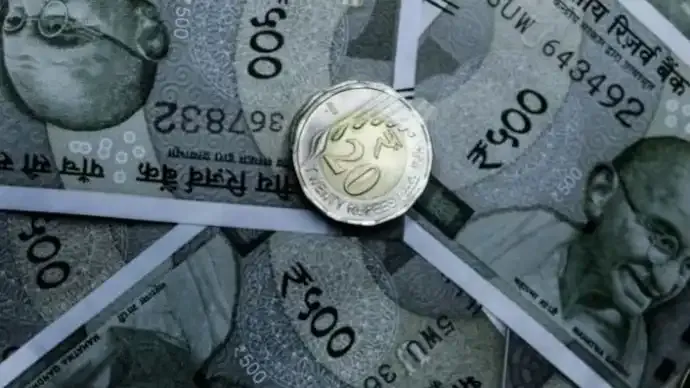

The Indian rupee is facing increasing pressure as global tensions rise due to the ongoing Iran conflict. Market analysts suggest that if the situation continues, the rupee could weaken further and may even approach the 100 mark against the US dollar.
Over the past year, the rupee has already declined by nearly 10%, making it one of the weakest-performing currencies in Asia. While authorities have taken steps to stabilise the currency, experts believe these measures may only offer temporary relief.
Rising Oil Prices Driving Currency Weakness
One of the biggest factors impacting the rupee is the sharp rise in crude oil prices. India relies heavily on oil imports, and any increase in global crude prices directly affects its economy.

Since the start of the conflict, Brent crude prices have surged significantly, rising by around 44% and touching highs near $119.50 per barrel. Analysts warn that prices could climb even higher, potentially reaching $150 or even $200 if disruptions continue in key routes like the Strait of Hormuz.
Higher oil prices increase India’s import bill, widen the current account deficit, and fuel inflation — all of which put downward pressure on the rupee.
RBI Measures Offer Limited Support
The Reserve Bank of India (RBI) has introduced measures to control volatility in the currency market. One such step includes capping banks’ end-of-day positions in the onshore currency market to reduce speculative trading.
While these actions initially provided some support, their impact has been limited. The rupee briefly strengthened after the announcement but soon reversed course and touched fresh lows, indicating that deeper economic factors are driving the trend.
Experts believe that such interventions may help in the short term but cannot fully offset global pressures.
Markets Signal Further Weakness Ahead
Market indicators suggest that traders are preparing for further depreciation of the rupee. Options data indicates a growing probability of the currency reaching the 100 mark against the US dollar in the coming months.
Estimates suggest there is a notable chance of this level being reached by mid-year, with even higher probability by the end of the year if current conditions persist.
This reflects rising concern among investors about sustained global uncertainty and economic pressures.
War Duration Will Be the Deciding Factor
The future trajectory of the rupee will largely depend on how long the geopolitical conflict continues. If tensions ease quickly, the currency may stabilise. However, prolonged disruption could intensify pressure.
Analysts highlight that similar global events in the past have led to sharp currency declines, but the current situation could have a stronger impact due to higher oil price shocks.
Additional Risks Adding to Currency Stress
Apart from the conflict, the rupee is also facing other challenges such as capital outflows and reduced foreign investment. Recent data indicates significant withdrawals by global investors from Indian markets, further weakening sentiment.
There are also concerns that remittances from Indian workers in Gulf countries could decline if the regional economy is affected by the conflict.
Outlook Remains Uncertain
Even if the conflict subsides, analysts believe the rupee may continue to face pressure due to structural economic factors. India’s dependence on oil imports and global financial trends will remain key determinants.
For now, the currency’s direction will depend on how global events unfold, particularly oil prices and geopolitical developments.







Conversation
Be kind and stay on topic. Comments are moderated; abuse, spam and personal attacks are removed. Report a problem