

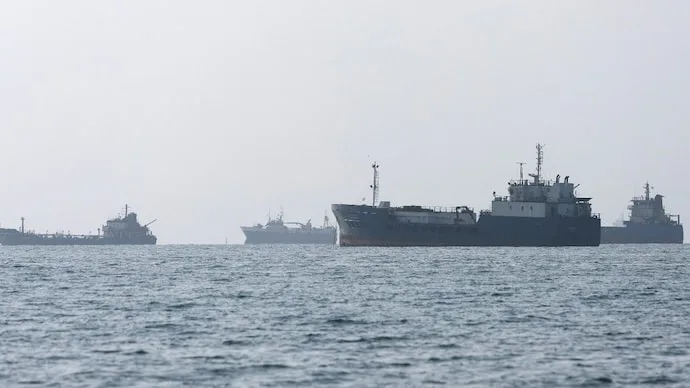

More than 60 countries have backed a European Union-led declaration opposing tolls and fees on ships using international waterways, amid growing disruption in the Strait of Hormuz. The initiative signals collective opposition to measures that could restrict lawful maritime navigation or turn vital shipping routes into instruments of political pressure.
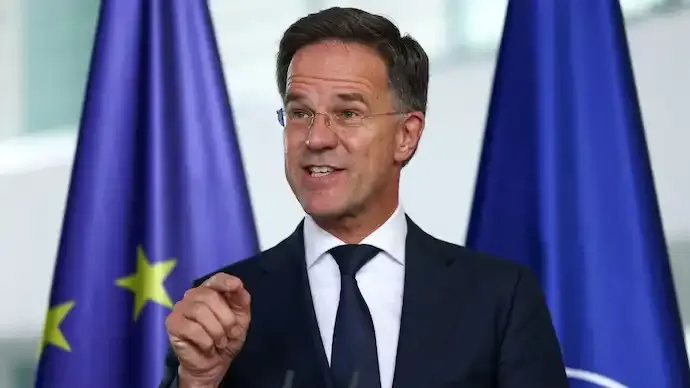
Announcing the initiative on Monday, EU foreign policy chief Kaja Kallas said the participating countries supported keeping international shipping routes accessible without unlawful charges. The declaration has the backing of all EU member states and 33 other countries, including Australia, Japan, the United Kingdom, Canada and Singapore.
The pledge comes as Iran has asserted control over shipping movements through the Strait of Hormuz and linked access to its demands amid the ongoing conflict. Tehran’s position has raised concerns about the impact of restrictions on global trade and energy supplies.

Why the Strait of Hormuz Matters
The Strait of Hormuz lies between Iran and Oman, connecting the Persian Gulf with the Gulf of Oman and the wider Arabian Sea. It is one of the world’s most strategically important maritime passages, carrying significant volumes of oil, liquefied natural gas and other commodities.
Before the war involving the United States, Israel and Iran began on February 28, around one-fifth of global oil and liquefied natural gas supplies passed through the strait. Disruptions to shipping can therefore affect energy prices, transport costs and international supply chains.
The EU-backed declaration invokes the United Nations Convention on the Law of the Sea (UNCLOS), which establishes the international legal framework governing maritime activities.
The signatories oppose unlawful fees, discriminatory restrictions and prior authorisation requirements that could interfere with lawful passage through straits used for international navigation. They have also pledged to work through international institutions, including the International Maritime Organization, to support maritime safety and navigation rights.
Iran’s Position and Shipping Disruptions
Iranian officials have maintained that Tehran exercises control over the Strait of Hormuz during the conflict. Mohammadreza Naqdi, an adviser to the commander of Iran’s Islamic Revolutionary Guard Corps, said routes Iran considers illegal could be closed and argued that access would remain restricted until the country’s demands were met.
Shipping data cited in the report illustrates the scale of the disruption. Analytics firm Kpler recorded seven commodity vessels crossing the strait on October 6, followed by 10 the next day. Before the conflict, approximately 125 large commercial vessels crossed the waterway daily.
Attacks on tankers, security concerns and logistical constraints have disrupted traffic, while some oil exports have been redirected through alternative routes.
Diplomatic efforts to restore maritime access continue amid disagreements between Tehran and Washington over the conditions for reopening the waterway. Iran has called for an end to hostilities, the lifting of the US naval blockade and the unfreezing of Iranian assets, among other demands.
The declaration reflects a broader international effort to defend freedom of navigation and prevent unlawful charges or restrictions from undermining vital global shipping routes.
For official information on international maritime law, visit the United Nations Division for Ocean Affairs and the Law of the Sea.






Conversation
Be kind and stay on topic. Comments are moderated; abuse, spam and personal attacks are removed. Report a problem