



India has called on the international community to take collective action to protect critical sea lanes, stressing that secure and predictable maritime trade routes are essential for the uninterrupted movement of food, fertilisers, fuel and other vital commodities.
Speaking during a high-level United Nations Security Council debate on food crises in conflict situations, India highlighted the growing connection between armed conflicts, disrupted supply chains and global food insecurity.
India's representative to the United Nations said that food insecurity remains one of the most serious humanitarian consequences of armed conflict. Modern conflicts, the country noted, often create consequences that extend far beyond the regions where fighting takes place.

Disruptions to energy markets, fertiliser supplies, maritime transport, agricultural trade and humanitarian logistics can affect countries across the world. Developing nations that depend heavily on food and commodity imports are particularly vulnerable to such disruptions.
India urged the UN Security Council to focus on reducing the humanitarian consequences of conflict by ensuring safe, rapid and uninterrupted humanitarian access. It also called for measures to ensure that sanctions and other international restrictions do not unintentionally disrupt humanitarian assistance or legitimate food and agricultural trade.
The protection of commercial shipping and freedom of navigation was identified as a major priority. India stressed that disruptions to shipping routes during conflicts can trigger cascading effects across global supply chains, affecting food availability, fertiliser access, fuel supplies and humanitarian operations.
India called for collective international action to safeguard key maritime routes and infrastructure while ensuring that legitimate commercial trade and humanitarian shipments can continue without unnecessary obstacles.
The discussion comes amid growing concerns about the impact of global conflicts on hunger and food supplies. According to figures presented during the UN Security Council debate, hundreds of millions of people are facing acute food insecurity, with conflict and violence remaining major drivers of hunger in several global hotspots.
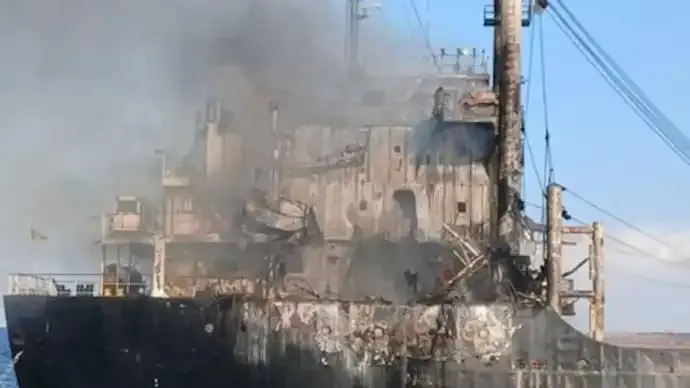
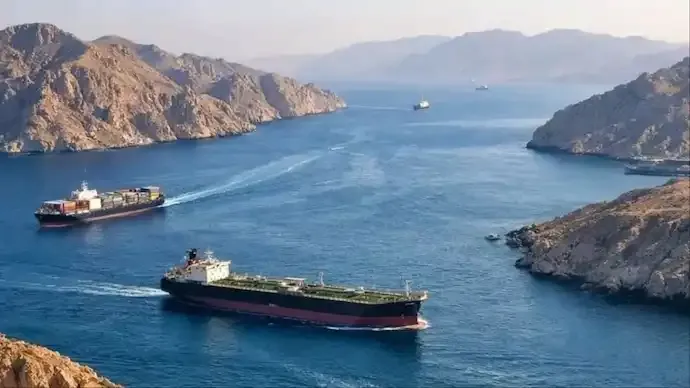
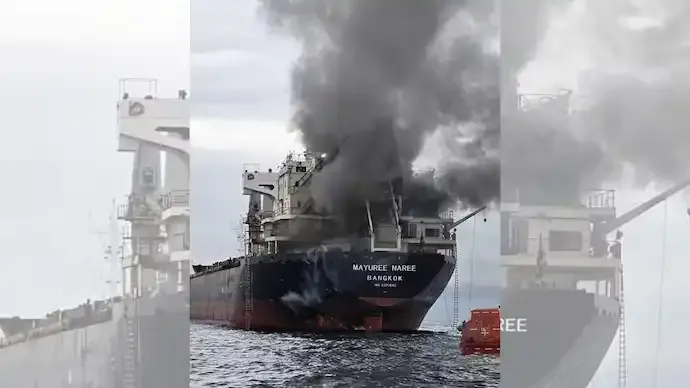
The situation in major maritime corridors has also raised concerns about global supply chains. The Strait of Hormuz remains a strategically important route for global energy and fertiliser trade, while attacks and disruptions involving commercial vessels in the Red Sea have increased concerns about the movement of food and other essential commodities.
India also emphasised the importance of strengthening domestic agricultural production and reducing excessive dependence on limited supply sources. It called for cooperation between governments, international financial institutions, regional organisations and development partners to improve agricultural productivity, storage facilities and logistics infrastructure.
The country highlighted the need for predictable and affordable access to fertilisers, quality seeds, technology and financial support, particularly for developing nations. India also stressed the importance of open, transparent and rules-based trade in food and agricultural inputs.
Warning against excessive dependence on a single production model or supply source, India said diversification is necessary to reduce vulnerability to geopolitical disruptions and economic pressure.
The country also called for greater support for small and marginal farmers and encouraged the adoption of climate-resilient crops, including millets, as part of a broader strategy to strengthen food security in developing countries.
India's intervention at the United Nations underlined that protecting global supply chains, ensuring humanitarian access, securing maritime trade routes and building resilient agricultural systems are critical to preventing conflicts from triggering wider food crises.





Conversation
Be kind and stay on topic. Comments are moderated; abuse, spam and personal attacks are removed. Report a problem