

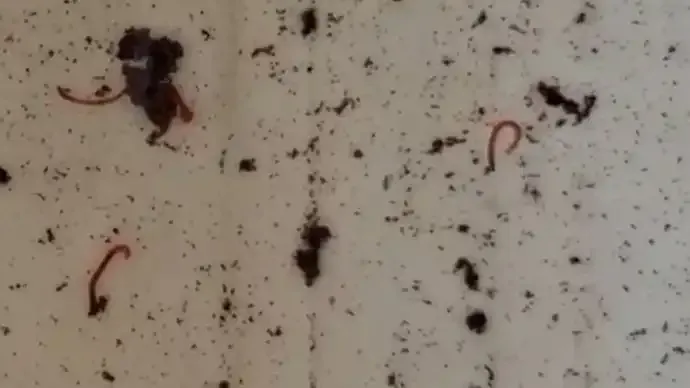

A serious water contamination crisis has emerged at a residential society in Noida’s Sector 29, where residents have reported sediment-filled and insect-infested water flowing through household taps. The situation has raised growing public health concerns, particularly because the housing complex is home to retired defence personnel, senior citizens, and families who rely on a stable civic infrastructure.
Residents claim that unsafe water supply has become a recurring reality rather than a one-time failure. Many households have reported persistent health problems such as stomach infections, fatigue, skin boils, nausea, and dehydration, which they believe are directly linked to the contaminated water. Medical advice in several cases has reportedly urged residents to avoid using the supply during peak contamination periods, forcing families to rely on bottled or filtered water even for basic activities.
The issue, according to residents, follows a troubling pattern throughout the year. For long stretches, water contains visible dirt, soil, or sediment. During specific maintenance periods affecting the Ganga canal or pipeline repairs, highly saline water enters the supply, further complicating daily life. However, the current phase has been described as more alarming, with reports of dead and live insects appearing in running water, indicating possible structural failures or severe contamination within the distribution system.

Residents have expressed concern that traditional explanations like pipeline leaks cannot fully account for the presence of insects, suggesting the possibility of stagnant or decomposed material somewhere in the water network. Storage tanks within the society are also believed to worsen the issue, as contaminated water can remain stagnant for months, allowing potential larvae or microorganisms to multiply.
Despite repeated complaints and visits to local authorities, residents say long-term solutions remain unclear. Officials have reportedly advised letting water run for several minutes or boiling it before use, recommendations that many residents view as impractical and wasteful, especially amid ongoing discussions about water conservation. Several inspections have taken place, but residents claim responsibility for resolving the problem has shifted between departments without a clear outcome.
The crisis has forced many households to install private filtration systems or purchase packaged drinking water regularly, increasing financial and logistical burdens. While some families can afford these alternatives, others struggle to manage the additional expense, highlighting disparities even within premium residential communities.
Experts note that water contamination issues are not limited to older or unauthorised settlements, and even well-planned urban societies can face infrastructure failures. The situation has sparked broader concerns about urban water management, pipeline monitoring, and the need for faster response mechanisms when public health risks emerge.
As residents continue to adapt their daily routines around water availability and safety, the incident serves as a reminder that reliable civic services remain a critical challenge for rapidly growing urban regions. Calls for a comprehensive investigation and structural solutions are growing louder, with residents urging authorities to identify the root cause rather than rely on temporary fixes.







Conversation
Be kind and stay on topic. Comments are moderated; abuse, spam and personal attacks are removed. Report a problem