

The state of Rajasthan is gearing up for a significant overhaul of its public and private education system, introducing a slate of new policies aimed at bolstering discipline, transparency, and administrative efficiency. These comprehensive reforms include a standardized dress code for both students and teaching faculty, mandatory identification cards for school employees, and the rollout of an advanced digital system designed to provide real-time attendance alerts to parents.
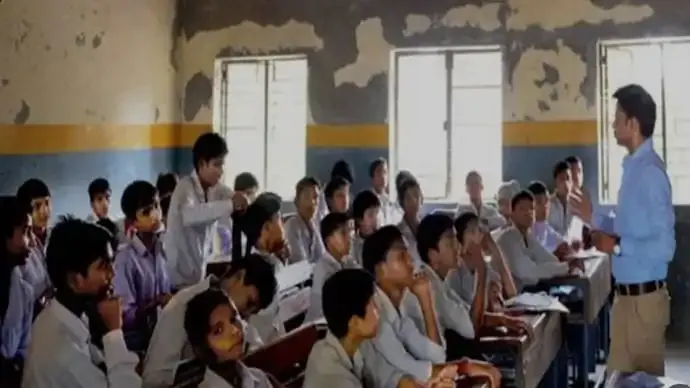
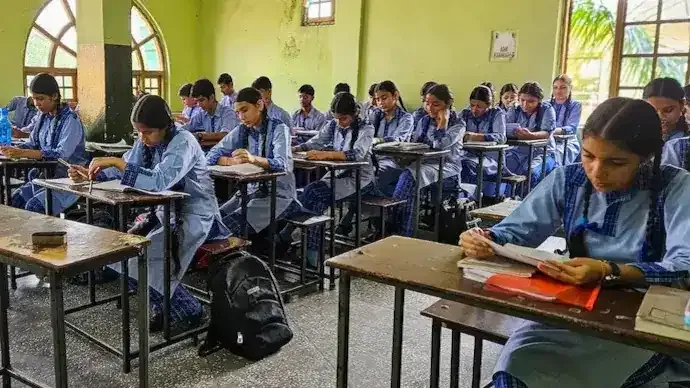
A key element of this initiative is the implementation of a common uniform policy across all government and private educational institutions. This move is designed to foster a greater sense of equality and unity among the student population by minimizing socio-economic distinctions visible through clothing. Furthermore, school personnel will be subject to a newly mandated dress code and the requirement to wear official identification cards at all times during school hours.
A major administrative shift will see the academic session officially commencing on April 1st. This change is intended to streamline the educational calendar, ensuring that students receive their study materials, particularly textbooks, in a timely manner. By starting the session at the beginning of the financial year, the state aims to provide students with ample preparation time, including the use of summer holidays for proactive study, thereby making the overall education delivery system more efficient and pragmatic.
In a move connecting employee presence with national reverence, the new policies stipulate a direct linkage between staff attendance and the observance of the National Anthem and National Song. The regulations make it explicitly clear that employee presence in the School Education, Sanskrit Education, and Panchayati Raj departments will only be officially recorded if the personnel are present during the collective singing of these national symbols. This measure underscores a push for heightened punctuality and a sense of shared national duty within the government workforce.
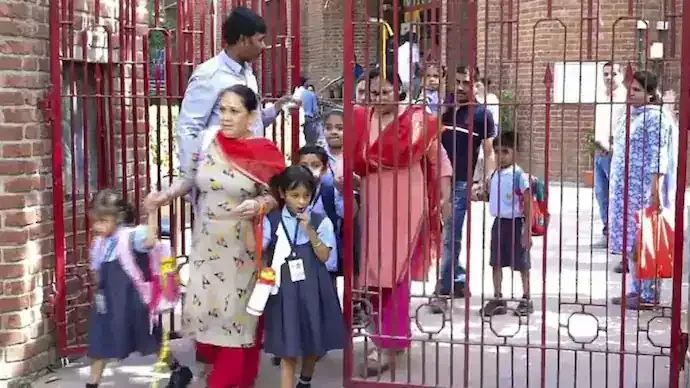
Perhaps the most impactful change for parents and guardians is the introduction of a cutting-edge, real-time student attendance notification system. Leveraging the existing Shala Darpan portal, this digital mechanism will automatically communicate any student absence to their registered parent or guardian. Specifically, if a student fails to reach the school campus, an immediate notification will be dispatched to the parent’s mobile number. This technology is a critical step forward in addressing student truancy and enhancing the safety and regularity of students attending classes by keeping families instantaneously informed of their children's status.
The Education Department has confirmed that all necessary logistical and technical preparations for these statewide rollouts have been finalized. This comprehensive set of new policies, which targets the Panchayati Raj, Education, and Sanskrit departments, reflects a concerted effort by the state government to elevate the standards of discipline and transparency across its primary administrative and educational arms. The changes are expected to be implemented across Rajasthan in the near future, marking a new era of governance and educational focus.


Conversation
Be kind and stay on topic. Comments are moderated; abuse, spam and personal attacks are removed. Report a problem