

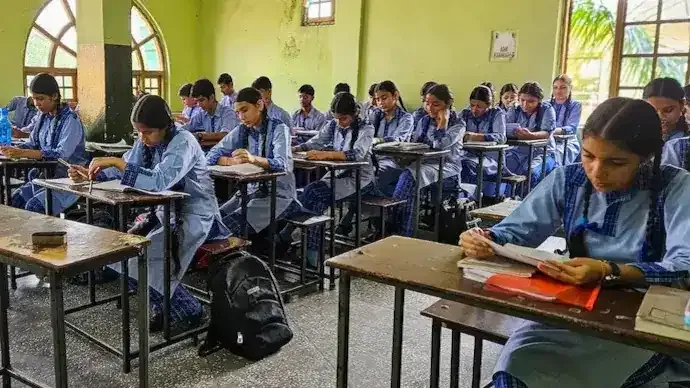

Delhi has launched a month-long initiative to strengthen child protection in schools by declaring July as POCSO Awareness Month, making child safety a key priority across educational institutions in the national capital.
As part of the campaign, both government and private schools will conduct awareness programmes for students, while mandatory child safety protocols will be introduced to create safer learning environments and improve the prevention and reporting of child abuse.
The initiative aims to educate children about personal safety, empower them to report inappropriate behaviour, and ensure that schools adopt stronger institutional safeguards to protect students.

Delhi Announces POCSO Awareness Month
The Delhi government has rolled out a city-wide campaign focused on increasing awareness of the Protection of Children from Sexual Offences (POCSO) Act, 2012.
Throughout July, schools across Delhi will organise activities designed to help students understand personal safety, recognise inappropriate behaviour and know how to seek help if they ever feel unsafe.
Officials say the campaign is intended to go beyond awareness by encouraging schools to adopt child-centric safety practices that remain in place even after the month-long programme concludes.
Mandatory Child Safety Protocols for All Schools
Alongside awareness sessions, schools will now be required to strengthen their internal child protection systems.
The government has directed educational institutions to implement mandatory child safety protocols aimed at ensuring that students have access to safe and supportive environments.
The measures are expected to include:
- Child protection policies within schools
- Clear reporting mechanisms for complaints
- Safe and confidential channels for students to report abuse
- Increased accountability for school authorities
- Better coordination between school management and child protection agencies where required
The objective is to ensure that schools are equipped not only to respond to complaints but also to prevent abuse through awareness and institutional safeguards.
Students to Learn About 'Good Touch' and 'Bad Touch'
One of the central components of the campaign is age-appropriate education on 'good touch' and 'bad touch.'
Schools will conduct interactive sessions to help children:
- Understand personal boundaries
- Recognise inappropriate physical behaviour
- Differentiate between safe and unsafe situations
- Speak to trusted adults when they feel uncomfortable
- Report incidents without fear or hesitation
Experts have long emphasised that early awareness can help children identify abuse and seek timely support.
Awareness Programmes for Teachers and School Staff
The campaign is not limited to students alone.
Teachers, school administrators and non-teaching staff are also expected to participate in awareness programmes focused on child protection responsibilities under the POCSO Act.
The training aims to help school personnel:
- Identify warning signs of abuse
- Respond appropriately to disclosures
- Follow legal reporting obligations
- Maintain child-friendly procedures during investigations
- Create a culture of trust and safety within schools
Educating school staff is considered essential for building an effective child protection framework.
What Is the POCSO Act?
The Protection of Children from Sexual Offences (POCSO) Act, 2012 is a central law enacted to safeguard children below the age of 18 from sexual abuse, sexual harassment and exploitation.
The legislation provides a child-friendly legal framework for:
- Reporting offences
- Recording statements
- Conducting investigations
- Speedy trial of cases
- Protecting the identity of child victims
The Act also places legal responsibilities on institutions and individuals to report suspected offences involving children.
Why Child Safety Awareness Matters
Child protection experts believe awareness is one of the most effective tools for preventing abuse.
Many cases go unreported because children may not understand inappropriate behaviour or may be afraid to speak about it.
Regular awareness programmes help children:
- Build confidence
- Understand their rights
- Recognise unsafe situations
- Seek help early
- Reduce stigma associated with reporting abuse
Schools play a crucial role because they are often the first institutions outside the family where children can access trusted adults.
Strengthening School Reporting Mechanisms
As part of the campaign, schools are also being encouraged to improve their internal reporting systems.
Educational institutions are expected to create an environment where children can report concerns without fear of punishment, embarrassment or retaliation.
This includes ensuring that complaints are handled confidentially and that appropriate authorities are informed wherever legally required.
Strong reporting mechanisms are considered essential for timely intervention and support for affected children.
Role of Parents in Child Protection
The success of child safety initiatives also depends on active parental involvement.
Parents can support the campaign by:
- Talking openly with children about personal safety
- Encouraging honest communication
- Teaching children to identify trusted adults
- Listening without judgment if a child shares concerns
- Reporting suspected abuse promptly
Experts recommend that conversations about safety should be ongoing rather than limited to awareness campaigns.
Key Objectives of the Campaign
The Delhi government's initiative aims to:
- Increase awareness of the POCSO Act
- Promote child safety education in schools
- Strengthen institutional child protection measures
- Encourage early reporting of abuse
- Improve school accountability
- Create safer learning environments across Delhi
Featured Snippet
Delhi has declared July as POCSO Awareness Month, requiring schools across the capital to conduct child safety awareness sessions and implement mandatory protection protocols. The initiative focuses on educating students about personal safety, strengthening reporting mechanisms and creating safer school environments under the POCSO Act.
Key Highlights
- Delhi has declared July as POCSO Awareness Month.
- Government and private schools will conduct awareness sessions throughout the month.
- Mandatory child safety protocols will be implemented across schools.
- Students will receive age-appropriate education on good touch and bad touch.
- Schools will strengthen internal child protection and reporting systems.
- Teachers and school staff will also participate in child safety awareness programmes.
- The initiative aims to promote safer learning environments and improve implementation of the POCSO Act.
Conclusion
The launch of POCSO Awareness Month marks a significant step towards strengthening child protection in Delhi's schools. By combining student awareness programmes with mandatory safety protocols and stronger institutional safeguards, the initiative seeks to create school environments where children feel informed, protected and confident about reporting abuse. Its long-term success will depend on sustained participation from schools, teachers, parents and the wider community.
FAQs
1. What is POCSO Awareness Month?
POCSO Awareness Month is a child safety campaign launched in Delhi during July to educate students about personal safety and strengthen child protection measures in schools.
2. What is the POCSO Act?
The Protection of Children from Sexual Offences (POCSO) Act, 2012 is an Indian law that protects children below 18 years from sexual offences and provides a child-friendly legal framework for investigation and trial.
3. Which schools will participate in the campaign?
The campaign will be implemented across both government and private schools in Delhi.
4. What will students learn during the awareness sessions?
Students will receive age-appropriate education on good touch, bad touch, personal safety, recognising unsafe situations and reporting abuse.
5. What are the mandatory child safety protocols?
Schools will be required to strengthen child protection policies, reporting mechanisms and institutional safeguards to improve student safety.
6. Why is child safety awareness important in schools?
Awareness helps children recognise abuse, understand their rights and report inappropriate behaviour at an early stage, reducing the risk of continued harm.
7. Who is covered under the POCSO Act?
The Act protects all children below the age of 18 years from sexual abuse, exploitation and harassment.
8. How can parents support the initiative?
Parents can maintain open communication with their children, educate them about personal safety, encourage them to speak freely and report suspected abuse whenever necessary.






Conversation
Be kind and stay on topic. Comments are moderated; abuse, spam and personal attacks are removed. Report a problem