

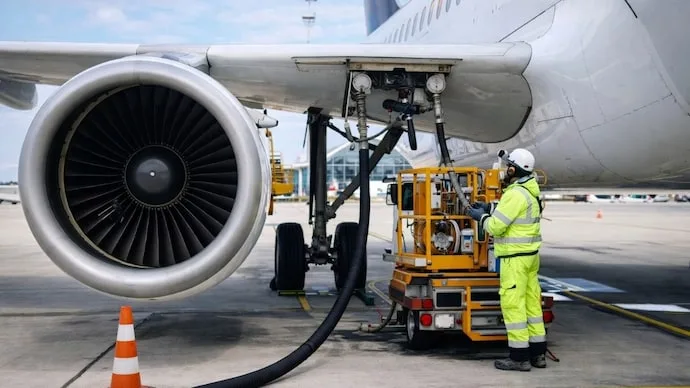

The ATF Price Stabilisation Fund has returned to focus as regional airlines urge the government to revive the scheme with revised conditions. Rising aviation turbine fuel (ATF) prices are increasing operating costs and forcing some carriers to reduce flights, particularly on routes that larger airlines are often reluctant to serve.
Industry representatives say the financial pressure has become severe enough that increasing flight operations can lead to higher cash losses rather than improved business performance.
Star Air, one of India's major regional airline operators, has reduced its operations from 68 flights in the summer schedule to 52 in the winter schedule amid rising fuel costs.

The pressure is not limited to regional carriers. Larger Indian airlines are also recalibrating operations as fuel expenses and geopolitical developments affect aviation networks.
Why the Earlier ATF Stabilisation Scheme Failed
In June 2026, the Union Cabinet approved one-time budgetary support of up to ₹10,000 crore for oil marketing companies (OMCs) to provide ATF price stabilisation assistance to Indian airlines.
The proposal aimed to cushion domestic and international airline operations against sharp increases in global jet fuel prices. However, the scheme was discontinued a month later after failing to attract participants.
ATF prices have experienced significant fluctuations. Jet fuel was priced at nearly ₹105 per litre in March before rising to around ₹207 per litre in April. When the stabilisation proposal was introduced, prices were approximately ₹115 per litre and continued to increase over the following two months. By October, prices stood at around ₹137 per litre.
Airline executives have attributed the limited response to restrictive conditions in the earlier proposal. These reportedly included requirements concerning the oil marketing company from which airlines could purchase fuel and the need to immediately sign a memorandum of understanding while ending existing commitments.
Industry representatives believe revised conditions could make the scheme more attractive.
Regional Airlines Seek Special Consideration
Regional carriers are asking the government to recognise their contribution to connectivity while designing the revised support mechanism.
According to a regional airline representative, four to five regional operators together account for approximately 3% of ATF consumption but contribute to 30–35% of the country's unique routes.
The representative argued that the government could consider more favourable provisions for these airlines because they operate routes that may not be commercially attractive to larger carriers.
Other regional airline executives have also supported bringing back the stabilisation fund, even without special concessions, citing the need for relief from rising fuel expenses.
Geopolitical Tensions Add to Aviation Challenges
Airlines are also dealing with operational difficulties linked to geopolitical tensions in the Middle East and restrictions on international airspace.
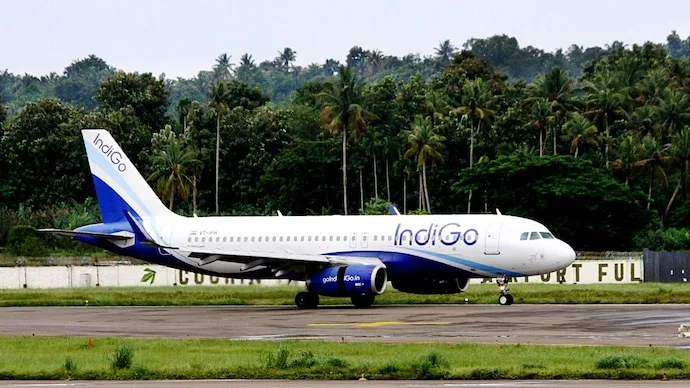
Indian carriers, including Air India and IndiGo, have faced the impact of Pakistani airspace restrictions. These challenges have added to the pressure created by higher fuel prices.
The demand for a revised ATF stabilisation scheme therefore reflects a broader concern across the aviation industry: maintaining connectivity while managing rising operating expenses.
For regional airlines, the government's next decision could be particularly important in determining whether they can sustain services on routes that play a significant role in connecting smaller cities.
Read more: All India Story







Conversation
Be kind and stay on topic. Comments are moderated; abuse, spam and personal attacks are removed. Report a problem