

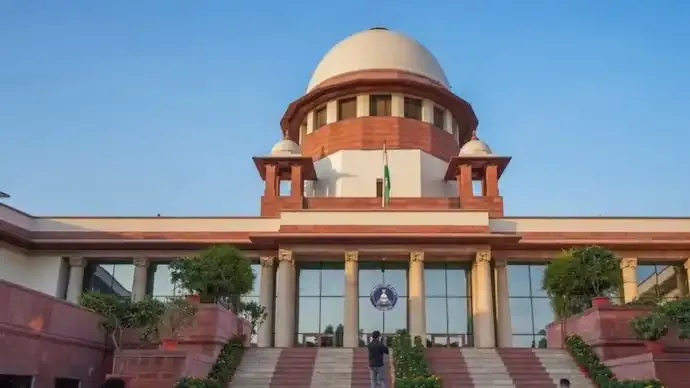

In a landmark move to improve accessibility for disabled candidates, the Supreme Court has directed the Union Public Service Commission (UPSC) to implement crucial reforms, including greater flexibility in scribe selection and the introduction of screen readers for visually impaired aspirants.
The judgment—delivered by a bench of Justices Vikram Nath and Sandeep Mehta—responds to a writ petition filed by Mission Accessibility, which sought equitable examination provisions for persons with disabilities. The ruling was pronounced on the International Day of Persons with Disabilities, reinforcing India's constitutional commitment to equality and non-discrimination.
Scribe Change Allowed Until 7 Days Before Exams
In a major relief to candidates who rely on scribes, the Court ruled that aspirants must be allowed to change their scribe up to at least seven days before the examination.
UPSC must process these requests within three working days, ensuring timely support for candidates facing last-minute challenges.

Screen Reader Integration Within Two Months
For visually impaired aspirants, the Court has ordered UPSC to develop and submit a comprehensive plan for screen reader software within two months.
The roadmap must include:
-
Implementation timelines
-
Testing and validation procedures
-
Steps to make screen readers available from the next exam cycle
This directive marks a significant advancement in accessible examination technology.
Uniform Protocols Through Inter-Agency Collaboration
The UPSC has been instructed to work closely with:
-
Department of Empowerment of Persons with Disabilities (DEPwD)
-
National Institute for the Empowerment of Persons with Visual Disabilities (NIEPVD)
Together, these bodies will establish uniform standards for screen reader usage and assistive technologies, ensuring consistent implementation across exams.
Administrative and technical assistance from the DoPT and the Ministry of Social Justice and Empowerment—and support from state authorities—will be mandatory for an effective rollout.
Accessibility Is a Constitutional Mandate, Not Charity
Emphasizing that inclusive governance requires proper implementation of inclusive policies, the Court reiterated that rights of persons with disabilities stem from constitutional guarantees under Articles 14, 19, and 21.
The bench observed:
“Equality, in its truest sense, demands not uniformity but the removal of barriers… The rights guaranteed to persons with disabilities are not acts of benevolence, but expressions of the constitutional promise of equality, dignity, and non-discrimination.”
The ruling mandates that UPSC examinations must remain transparent, fair, and fully accessible—ensuring that all eligible candidates can compete on equal footing.








Conversation
Be kind and stay on topic. Comments are moderated; abuse, spam and personal attacks are removed. Report a problem