



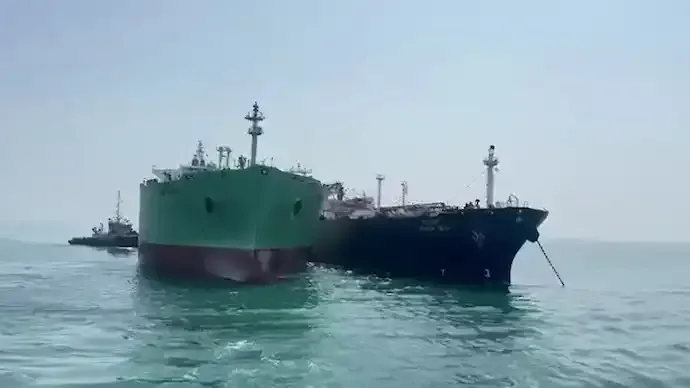
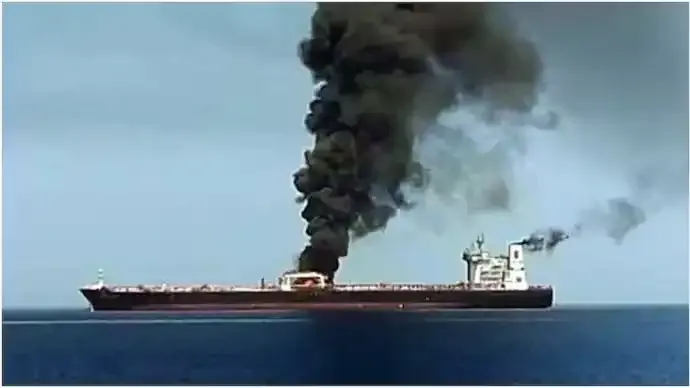
Three Indian seafarers who had been reported missing after a US military strike on the tanker MT Settebello in the Gulf of Oman have been confirmed dead, marking a tragic development in an incident that has triggered diplomatic tensions between India and the United States.
Union Shipping Minister Sarbananda Sonowal confirmed the deaths on Thursday, ending hopes that the missing crew members might still be found during ongoing search and rescue efforts. The tanker was carrying 24 Indian sailors when it came under attack near the strategically important Strait of Hormuz. Twenty-one crew members were rescued, while the three missing sailors were later confirmed dead.
The incident has intensified concerns over the safety of Indian seafarers operating in conflict-prone maritime zones and has prompted a strong diplomatic response from New Delhi.

Three Missing Sailors Found Dead
Following the strike, rescue operations were launched to locate all crew members aboard the Palau-flagged tanker. Initial reports indicated that 21 Indian sailors had been rescued while three remained unaccounted for. Indian authorities and Omani agencies continued search operations before confirmation of the fatalities emerged.
Shipping Minister Sarbananda Sonowal described the development as deeply unfortunate and expressed condolences to the families of the deceased sailors. The tragedy has sent shockwaves through India's maritime community, where thousands of seafarers work on international commercial vessels.
India Lodges Strong Protest With United States
The Indian government reacted strongly to the attack and summoned the senior-most American diplomat in New Delhi to register an official protest.
The Ministry of External Affairs condemned the strike on the commercial vessel and emphasized the importance of protecting civilian maritime personnel operating in international waters. Indian officials raised concerns regarding the safety of the 24 Indian crew members who were aboard the tanker when the attack occurred.
Diplomatic discussions between New Delhi and Washington are expected to continue as India seeks greater clarity regarding the circumstances surrounding the strike.
US Military Confirms Strike on Settebello
The United States military acknowledged carrying out the operation against the tanker. According to statements from US Central Command, the vessel was targeted after allegedly failing to comply with instructions issued by American forces.
US officials stated that the tanker was suspected of transporting Iranian oil and was disabled through a precision strike directed at the vessel's engine room. American authorities described the action as part of ongoing maritime enforcement measures linked to sanctions and blockade operations involving Iran.
The incident has drawn international attention because of the involvement of civilian sailors and the location of the strike in one of the world's most sensitive shipping corridors.
Growing Risks in Gulf Shipping Routes
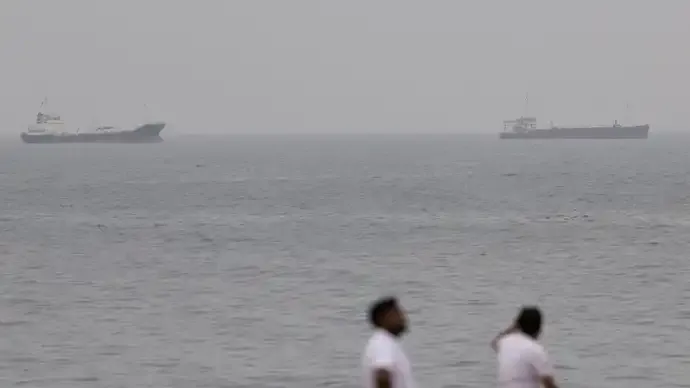
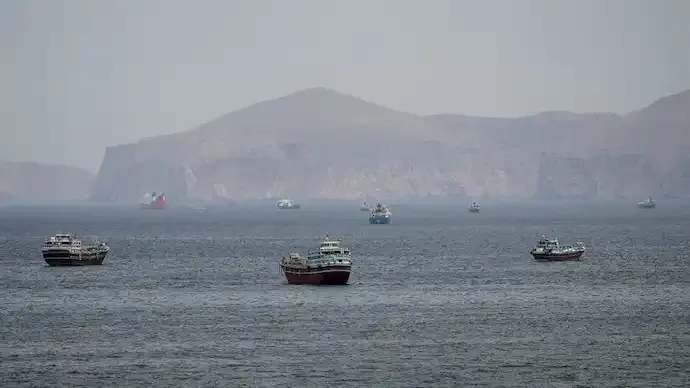
The Gulf of Oman and the Strait of Hormuz remain critical maritime routes through which a substantial portion of global energy supplies pass each day. Rising tensions involving the United States and Iran have increased security risks for commercial vessels operating in the region.
Maritime organizations and seafarers' unions have repeatedly warned that merchant sailors are increasingly exposed to geopolitical conflicts beyond their control. The death of the three Indian sailors has renewed calls for stronger protections for civilian shipping and international maritime workers.
Shipping experts caution that continued instability in the region could affect global trade routes, insurance costs, and maritime security operations.
Focus Turns to Accountability and Safety
The deaths of the three Indian sailors have become one of the most serious maritime incidents involving Indian nationals in recent years. Families of the victims are awaiting further details while authorities continue to examine the circumstances surrounding the attack.
The tragedy is expected to feature prominently in diplomatic discussions between India and the United States as well as broader conversations about maritime safety in conflict zones.
As regional tensions continue to evolve, the incident serves as a stark reminder of the dangers faced by commercial seafarers navigating some of the world's most strategically important waters.




Conversation
Be kind and stay on topic. Comments are moderated; abuse, spam and personal attacks are removed. Report a problem