A significant discrepancy has surfaced between statements made by US President Donald Trump and the US military's Central Command (CENTCOM) regarding attacks on commercial vessels operated by Indian crews near the Gulf of Oman.
While CENTCOM has publicly acknowledged carrying out military action against three commercial tankers, President Trump has attributed the incidents to Iranian drone attacks, creating confusion over responsibility for the strikes.
The conflicting narratives have drawn attention internationally, particularly because the vessels involved reportedly carried Indian crew members and the incidents resulted in casualties among Indian sailors.
CENTCOM Acknowledges Military Action
According to statements released by United States Central Command, US forces conducted operations against three commercial vessels operating near the Gulf of Oman.
CENTCOM reportedly released video footage showing military action involving Hellfire missiles targeting one of the vessels.
The military command stated that the actions were taken as part of ongoing operations connected to regional security and enforcement measures linked to the conflict involving Iran.
The acknowledgment appeared to directly associate US military assets with the strikes on the vessels.
Trump Blames Iranian Drones
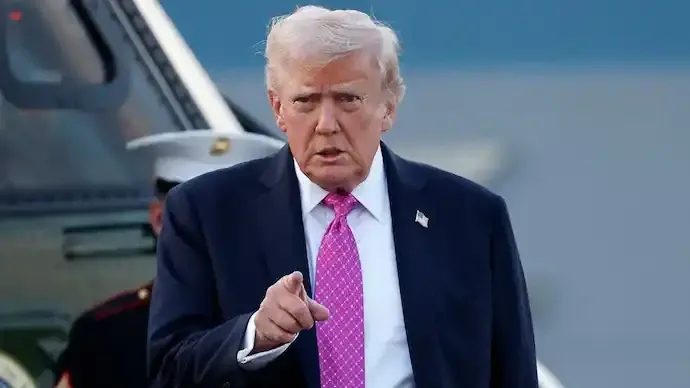
Despite CENTCOM's position, President Trump presented a different version of events.
In public remarks and social media statements, Trump claimed that Iranian drones were responsible for attacks on ships operated by Indian crews.
The President described the alleged drone activity as unacceptable and blamed Tehran for endangering commercial shipping in the region.
However, Trump did not provide detailed evidence supporting his claim or explain the apparent difference between his account and CENTCOM's publicly released information.
Questions Raised Over Responsibility
The differing statements have generated questions regarding:
-
Who conducted the strikes
-
The sequence of events surrounding the attacks
-
The role of US military operations
-
Alleged Iranian drone activity
-
The circumstances leading to casualties among sailors
Analysts note that such contradictions between political leadership and military communications are unusual and may complicate efforts to establish a clear public understanding of what occurred.
Indian Sailors Caught in Regional Conflict
The controversy comes after reports that Indian crew members aboard commercial vessels became caught in the escalating confrontation in the Gulf region.
According to available information, at least three Indian sailors were reported dead following incidents involving vessels operating near the Gulf of Oman.
The events have heightened concerns about the safety of thousands of Indian seafarers working aboard merchant ships navigating through conflict-affected waters.
India has already issued maritime advisories urging heightened vigilance in the region.
Strategic Importance of Gulf Shipping Routes
The incidents occurred near the Gulf of Oman and the nearby Strait of Hormuz, both of which are critical corridors for international trade and energy transportation.
These waterways handle a substantial share of global oil exports and commercial shipping traffic.
Any military activity in the region can have implications for:
-
Maritime security
-
Global energy markets
-
Shipping operations
-
Insurance costs
-
International trade
As tensions rise, governments and shipping companies continue to monitor developments closely.
Growing US-Iran Tensions
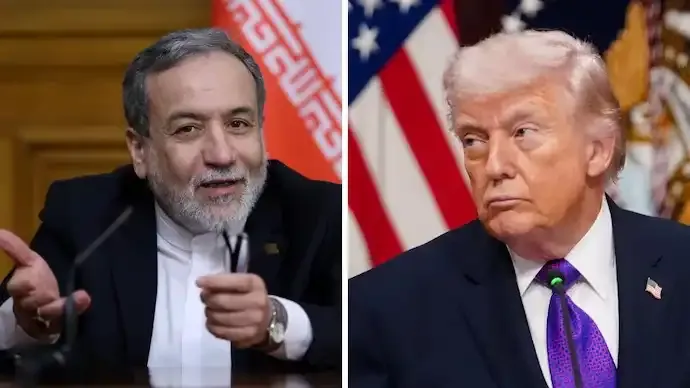
The conflicting accounts emerge amid one of the most serious periods of confrontation between Washington and Tehran in recent years.
Recent weeks have seen:
-
Military strikes
-
Maritime incidents
-
Accusations from both sides
-
Diplomatic negotiations
-
Security warnings for commercial shipping
Although discussions about a possible settlement have recently surfaced, incidents involving merchant vessels continue to complicate the situation.
Calls for Greater Transparency
Observers have called for additional clarity regarding the events that led to the strikes on the vessels.
Questions remain regarding:
-
Official timelines
-
Operational decisions
-
Military communications
-
Casualty assessments
-
Responsibility for the attacks
A clearer explanation from relevant authorities may be necessary to resolve the apparent contradiction between the statements issued by the White House and CENTCOM.
Maritime Security Remains a Major Concern
Regardless of which account ultimately proves accurate, the incidents underscore the risks facing commercial shipping in the Gulf region.
Thousands of seafarers, including a large number of Indians, continue to operate in waters affected by military tensions and geopolitical uncertainty.
The safety of civilian crews and merchant vessels remains a priority for governments and maritime organizations as the situation evolves.
For now, the differing explanations from President Trump and CENTCOM have added another layer of complexity to an already volatile regional crisis.
Prev Article
Texas Shooting Leaves 1 Dead, 9 Injured in Midland; Gunman Found Dead After Police Standoff
Next Article
Iran Says Deal With US ‘Never Been Closer’ as Trump Amplifies Araghchi’s Message