Trump Administration Launches Section 301 Tariff Probes Against India, China, EU

Trump Administration Launches Section 301 Tariff Probes Against India, China, EU

The administration of Donald Trump has launched major trade investigations against several global economies, including India, China, and the European Union, under Section 301 of the Trade Act of 1974.

The probes were announced by the Office of the United States Trade Representative (USTR) and target a total of 16 key trading partners of the United States. Officials say the investigation aims to examine whether industrial policies in these economies are creating excess manufacturing capacity that harms American industries and workers.

The announcement was made by Jamieson Greer, who stated that the investigation could potentially lead to new tariffs on imports if unfair trade practices are identified.

What the Section 301 Investigation Means

Section 301 of the US Trade Act allows the American government to investigate and respond to foreign policies that it believes are unfair or discriminatory toward US businesses.

If the investigation finds evidence of practices that harm US industries, Washington can impose tariffs, restrictions or other trade measures against the countries involved.

The latest move follows a decision by the Supreme Court of the United States, which struck down a key tariff policy earlier. The new investigations are widely seen as a fresh attempt by US authorities to address trade imbalances and protect domestic manufacturing.

Two Major Investigations Announced

According to officials, the USTR has launched two separate probes under Section 301.

The first investigation will focus on excess industrial capacity among key trading partners. US officials claim that government support and industrial policies in certain countries may lead to overproduction of goods, which can flood international markets and undercut American manufacturers.

The second probe will examine products allegedly produced using forced labour. The United States has increasingly scrutinised global supply chains over labour practices and human rights concerns.

Impact on Global Trade

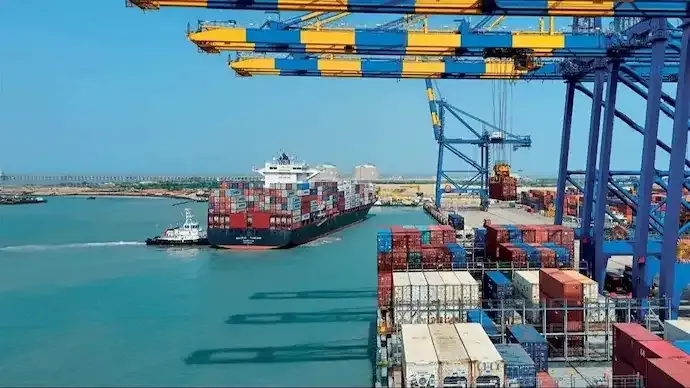
The investigation targets several major economies and trading partners of the United States, making it a potentially significant development for global trade relations.

If tariffs are eventually imposed, they could affect imports in sectors such as manufacturing, technology, metals and industrial goods. Trade experts say the move could trigger tensions between the United States and several key economies.

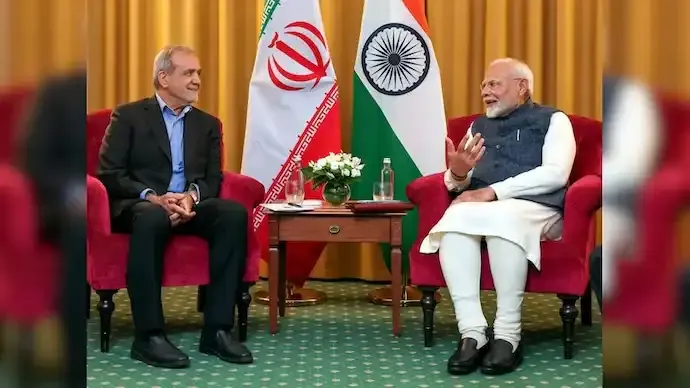
For countries like India, which maintain strong trade ties with the United States, the investigation could lead to negotiations aimed at resolving trade concerns and avoiding additional tariffs.

Possible Economic Implications

Global markets often react strongly to major trade disputes between large economies. New tariffs or restrictions could influence supply chains, manufacturing costs and international commerce.

Analysts say the investigations may also reflect broader geopolitical competition in global manufacturing and technology sectors.

As the investigation process begins, affected countries are expected to respond diplomatically and present their positions during the review process conducted by US trade authorities.

The outcome of the Section 301 probes could shape future trade relations between the United States and several of its key economic partners.

Prev Article
US to Release 172 Million Barrels from Strategic Oil Reserve Amid Iran War

Related to this topic: