

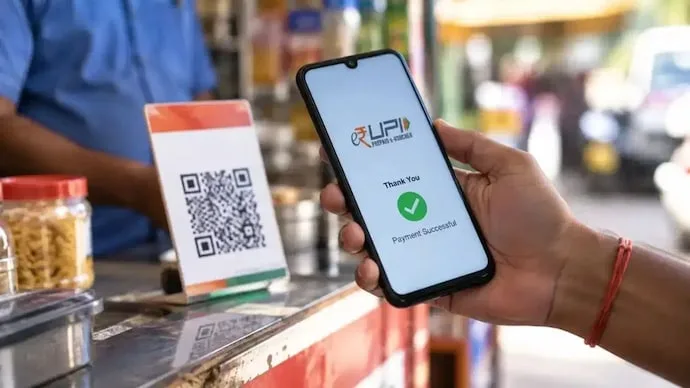

The UPI MDR framework set to begin on October 15 could change how merchants and consumers handle larger digital payments. A LocalCircles survey found that only 17% of merchants are willing to absorb a 0.4% merchant discount rate, while 41% said they would not absorb any MDR at all.
Overall, 83% of surveyed merchants are unwilling to bear the notified charge. According to the survey, businesses could instead pass the cost to customers, adjust product prices or encourage shoppers to use cash, cards or bank transfers.
LocalCircles surveyed more than 32,000 businesses and merchants across 242 districts.

76% Users Could Move Away From UPI
Consumer responses suggest the impact could extend beyond merchants. LocalCircles collected more than 67,000 responses from UPI users across 291 districts.
Only 14% said they would continue using UPI and pay an additional fee if one were imposed on transactions above Rs 2,000. Cash was the most popular alternative, with 27% choosing it, followed by credit cards at 26%, debit cards at 14% and bank transfers at 4%.
Over the longer term, only 20% of respondents expected UPI to remain their preferred method for larger purchases if an additional cost was involved. This suggests 76% could shift to alternative payment methods.
Why High-Value UPI Payments Matter
Although payments above Rs 2,000 account for less than 5% of merchant transactions by volume, they represent around 67% of merchant payment value.
UPI processed a record 24.51 billion transactions worth Rs 29.82 lakh crore in August 2026. Merchant payments accounted for 15.51 billion transactions worth Rs 8.95 lakh crore.
LocalCircles estimates that UPI transaction value could decline by around 10%, while transaction volumes could fall by about 4% after the new MDR takes effect.
What Changes From October 15?
The 0.4% MDR will apply to person-to-merchant UPI payments above Rs 2,000. Payments up to Rs 2,000 and person-to-person transfers will remain free.
Small merchants receiving up to Rs 1 lakh per month through UPI QR codes are also exempt. The government has said around 96% of merchant transactions will remain unaffected.
The MDR will be capped at Rs 300 for transactions of Rs 75,000 or more, while certain essential sectors will have different rates.
Government Says Customers Should Not Pay
The government has maintained that the MDR should not be passed on to consumers. Banks have been directed to ensure merchants do not recover the charge from customers, while UPI apps cannot impose additional platform or hidden fees.
However, LocalCircles has raised concerns about the absence of clearly defined penalties or a refund mechanism if customers are wrongly charged.
Trade bodies, including the Confederation of All India Traders, have also warned that the new system could encourage cash payments, bill splitting or alternative payment methods.
With the October 15 rollout approaching, the key question is whether merchants will absorb the cost or whether India's increasingly digital payment ecosystem sees a shift in how consumers pay for larger purchases.
Relevant Link: NPCI – UPI







Conversation
Be kind and stay on topic. Comments are moderated; abuse, spam and personal attacks are removed. Report a problem