

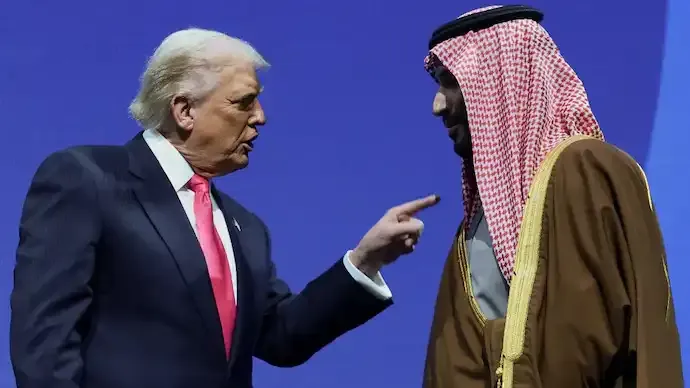

The United States and Saudi Arabia have signed a landmark civil nuclear cooperation agreement, paving the way for Riyadh to develop its civilian nuclear energy programme with American technology.
The agreement, commonly known as a 123 Agreement, was signed by US Energy Secretary Chris Wright and Saudi Energy Minister Prince Abdulaziz bin Salman. The deal has now been sent to the US Congress, where lawmakers will review its provisions before it can take effect.
While both governments have described the agreement as a major step in strengthening bilateral cooperation, it has also sparked debate over nuclear safeguards, uranium enrichment and regional security.

Agreement Aims to Expand Civil Nuclear Cooperation
According to the US Department of Energy, the agreement is intended to deepen cooperation in peaceful nuclear energy while expanding opportunities for American nuclear technology exports.
The administration says the partnership will:
- Support Saudi Arabia's civilian nuclear energy programme.
- Promote American nuclear technology exports.
- Generate economic opportunities and jobs.
- Strengthen long-term strategic ties between Washington and Riyadh.
- Maintain international nuclear safety and non-proliferation standards.
US officials have described the agreement as an important milestone in energy cooperation between the two countries.
Why the Deal Is Being Closely Watched
The agreement follows years of negotiations under successive US administrations.
Unlike earlier proposals discussed during previous negotiations, the current pact does not include an Additional Protocol that would allow the International Atomic Energy Agency (IAEA) broader inspection powers.
The absence of those provisions has prompted concerns among some lawmakers and nuclear policy experts regarding the level of international oversight.
Uranium Enrichment Raises Debate
One of the most closely discussed aspects of the agreement is that it allows Saudi Arabia to pursue uranium enrichment and spent fuel reprocessing under the framework of the deal.
These activities are considered sensitive because the technologies involved can have both civilian and military applications if not subject to strict international safeguards.
Supporters argue the agreement complies with US legal requirements governing civil nuclear cooperation, while critics believe stronger restrictions would further reduce proliferation risks.
Regional Security Concerns
The agreement comes at a time of heightened geopolitical tensions in the Middle East.
Saudi Arabia has consistently maintained that its nuclear programme is intended solely for peaceful purposes.
However, previous remarks by Crown Prince Mohammed bin Salman indicating that Saudi Arabia would seek similar capabilities if Iran developed nuclear weapons have contributed to concerns about a potential regional arms race.
Several lawmakers have therefore called for closer congressional scrutiny before the agreement is approved.
Congress to Review the Agreement
Under US law, civil nuclear cooperation agreements must undergo congressional review before taking effect.
Lawmakers will examine:
- Nuclear safety provisions.
- Non-proliferation commitments.
- Oversight mechanisms.
- Strategic implications for the Middle East.
The review process will determine whether the agreement proceeds in its current form or faces objections from Congress.
Strategic Importance of the Pact
The agreement represents one of the most significant recent developments in US-Saudi relations, expanding cooperation beyond traditional defence and energy partnerships.
Its supporters view the deal as a way to strengthen strategic ties while keeping Saudi Arabia aligned with Western nuclear standards.
Opponents, however, argue that additional safeguards would better address concerns over regional stability and nuclear proliferation.
Key Highlights
- The US and Saudi Arabia have signed a civil nuclear cooperation agreement.
- The pact will allow Riyadh to expand its civilian nuclear energy programme using American technology.
- The agreement now moves to the US Congress for review.
- The deal has triggered debate over uranium enrichment and international oversight.
- Critics have raised concerns about regional nuclear proliferation risks.
- The US administration says the agreement complies with existing non-proliferation laws.
Frequently Asked Questions (FAQs)
What is the US-Saudi nuclear agreement?
It is a civil nuclear cooperation agreement that enables Saudi Arabia to develop its civilian nuclear energy programme with US cooperation.
What is a 123 Agreement?
A 123 Agreement is a legal framework under US law that governs peaceful nuclear cooperation between the United States and another country.
Why is the agreement controversial?
Critics have expressed concerns about uranium enrichment rights, oversight mechanisms and the possibility of increased nuclear proliferation risks.
Does the agreement require approval?
Yes. The agreement must undergo review by the US Congress before it can take effect.
What are supporters saying?
Supporters argue the agreement strengthens strategic ties, promotes nuclear safety and expands American technology exports.
Why is the Middle East security issue being discussed?
Some analysts believe expanded nuclear capabilities in the region could increase strategic competition, making oversight and safeguards an important part of the debate.





Conversation
Be kind and stay on topic. Comments are moderated; abuse, spam and personal attacks are removed. Report a problem