Tensions in the Gulf region escalated sharply after the United States and Iran exchanged military strikes in and around the strategically vital Strait of Hormuz. The latest confrontation comes amid growing instability in West Asia and renewed concerns over the security of one of the world's most important maritime trade routes.
The military exchange reportedly began after Washington accused Tehran of downing a US Apache attack helicopter operating near the Strait of Hormuz. In response, the United States launched strikes targeting multiple locations linked to Iran's coastal defense infrastructure. Iran later responded with attacks focused on Gulf states that host American military assets, further widening concerns about a broader regional conflict.
The latest developments have once again placed the Strait of Hormuz at the center of global attention, given its importance to international energy supplies and maritime trade.
US Targets Iranian Coastal Defense Positions
According to reports, American military operations were concentrated along southern Iran's coastline near the Strait of Hormuz. The strikes reportedly targeted facilities associated with radar systems, missile infrastructure, surveillance networks, and coastal defense capabilities.
Military analysts suggest that the objective was to reduce Iran's ability to monitor and challenge naval movements through the strategically important waterway.
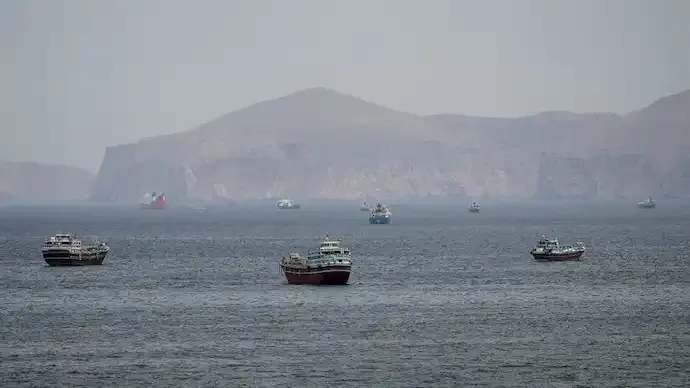
The Strait of Hormuz serves as a critical chokepoint through which a significant share of the world's oil and natural gas exports pass every day. Any disruption in the area can have immediate implications for global energy markets and shipping operations.
Iran Responds With Regional Strikes
Following the US military action, Iran reportedly launched retaliatory strikes targeting locations connected to American military operations in the Gulf region.
The attacks were said to focus primarily on Gulf states that host US military facilities, logistical hubs, and strategic assets. Regional security forces were placed on heightened alert as concerns grew over the possibility of further escalation.
The exchange has raised fears among international observers that the conflict could expand beyond direct US-Iran engagement and involve additional countries across the region.
Historic Use of US Autonomous Sea Drone
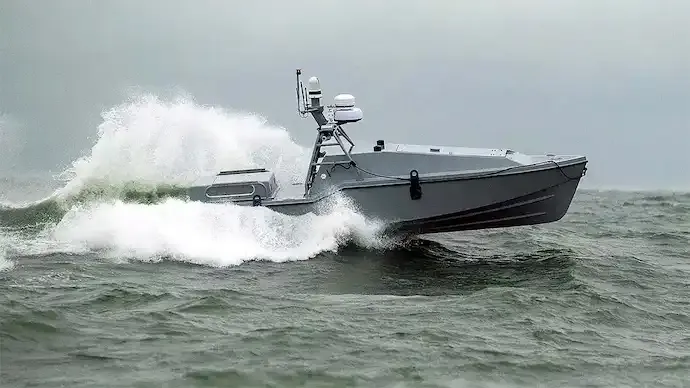
One of the most notable developments during the latest confrontation was the reported deployment of an autonomous US Navy sea drone during a rescue mission.
According to reports, an unmanned surface vessel known as the Saronic Corsair was used to assist in the recovery of personnel associated with the downed Apache helicopter. The operation is being described as one of the first publicly known instances of an autonomous naval platform playing a direct role in a military rescue mission.
Defense experts view the deployment as a significant milestone in the growing use of autonomous technologies in modern warfare and maritime operations.
Strategic Importance of the Strait of Hormuz
The Strait of Hormuz remains one of the most strategically important waterways in the world. Connecting the Persian Gulf with the Gulf of Oman and the Arabian Sea, the narrow passage is essential for international trade and global energy transportation.
Any military confrontation in the area immediately attracts international attention because of its potential impact on shipping routes, oil prices, and regional stability.
The latest exchange of strikes has prompted increased monitoring by naval forces, commercial shipping operators, and international security organizations operating in the region.
Global Concerns Over Escalation
Governments and international organizations are closely watching developments as tensions continue to rise. Analysts warn that further military exchanges could disrupt maritime traffic, increase energy market volatility, and heighten security risks across West Asia.
The renewed confrontation also comes at a time when diplomatic efforts aimed at reducing regional tensions have faced significant challenges.
As both sides assess the impact of the latest strikes, the international community remains focused on preventing a wider conflict that could affect global trade, energy security, and regional stability.
Prev Article
Armed Men Attack Cargo Ship Near Yemen, Security Team Repels Assault in Gulf Waters
Next Article
Belfast Riots Erupt After Knife Attack on Local Resident, Police Launch Investigation