

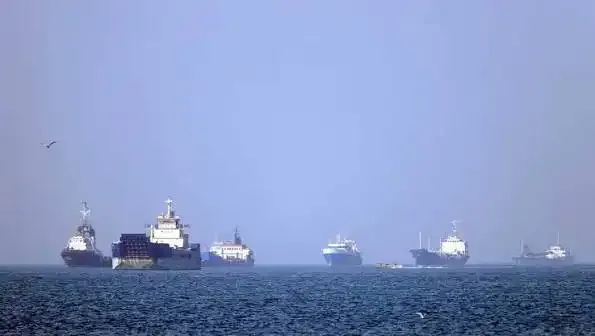

The United States has reimposed its blockade on Iranian ports, accusing Tehran of launching attacks on commercial vessels near the Strait of Hormuz, a move that has further weakened an already fragile ceasefire and heightened concerns over a broader conflict in the Middle East.
The latest escalation comes after weeks of rising military tensions in the Gulf, with both Washington and Tehran trading accusations and strikes despite an interim agreement intended to pause hostilities and restart diplomatic negotiations.
US restores blockade on Iranian ports
Early Wednesday, the United States reinstated its naval blockade on Iranian ports, alleging that Iran had continued targeting ships attempting to transit the Strait of Hormuz.

The blockade had originally been introduced in April before being lifted in June following a temporary 60-day agreement designed to facilitate negotiations over Iran's nuclear programme and regional security issues.
However, with talks stalled and attacks on commercial shipping continuing, Washington has decided to restore the restrictions.
Fresh military strikes intensify conflict
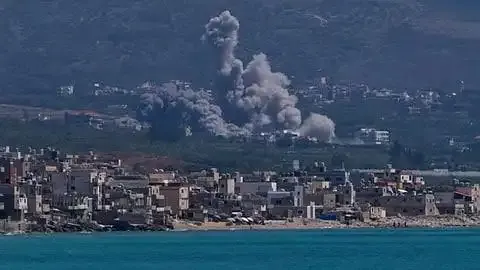
Soon after reinstating the blockade, the United States carried out another series of military strikes across Iran.
According to US Central Command, dozens of targets were hit during a seven-hour operation.
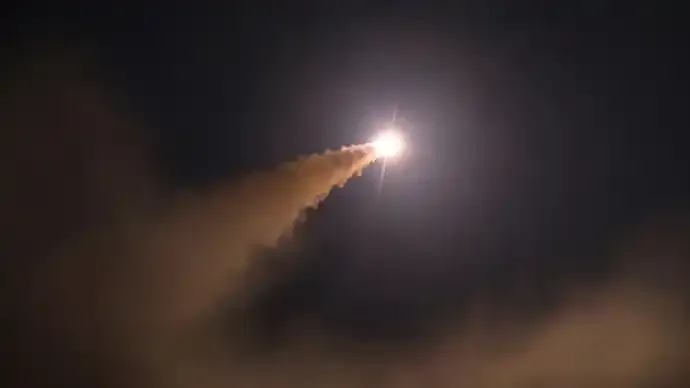
At the same time, missile alerts were issued across Bahrain and Kuwait, while Jordan reported intercepting three incoming Iranian missiles. Tehran claimed responsibility for attacks targeting all three countries, many of which host American military installations.
US officials said Iran had launched dozens of missiles and drones at neighbouring Gulf states, describing the attacks as a threat to regional stability.
Strait of Hormuz remains at the centre of crisis
The Strait of Hormuz remains one of the world's most strategically important maritime routes, carrying roughly one-fifth of global oil and natural gas shipments during normal conditions.
Since the conflict escalated earlier this year, shipping through the region has faced repeated disruptions, missile threats and attacks on commercial vessels.
Iran's Revolutionary Guard warned that if Iranian energy exports remain blocked, no country in the region should expect uninterrupted oil and gas shipments.
"The export of oil and gas from the region will be either for everyone or for no one," the Revolutionary Guard said.
The warning has reignited fears of a prolonged disruption to global energy markets.
Trump drops proposed Hormuz transit fee
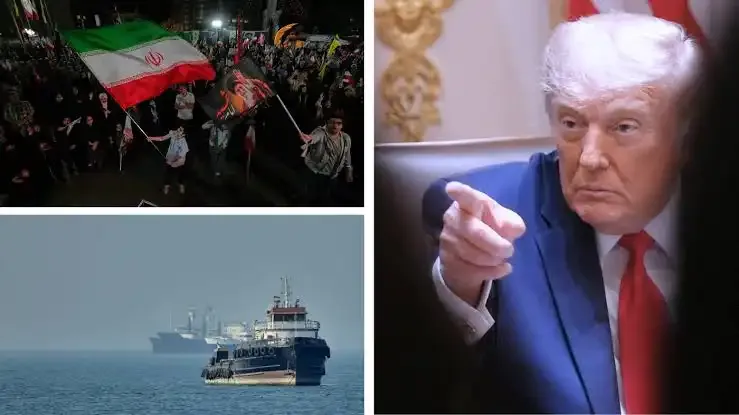
While announcing the renewed blockade earlier this week, US President Donald Trump initially proposed imposing a 20% transit fee on ships passing through the Strait of Hormuz.
However, the proposal was withdrawn within hours after discussions with Gulf allies.
Speaking later, Trump suggested that regional partners preferred increasing investment in the United States rather than supporting shipping tolls.
He also warned that additional military strikes against Iran could follow if negotiations fail to resume.
Oil markets remain volatile
The renewed tensions briefly pushed Brent crude above $87 per barrel before prices eased after the US abandoned its shipping toll proposal.
Although prices remain below the highs witnessed during the peak of the conflict earlier this year, analysts continue to monitor the situation closely as disruptions in Hormuz could significantly impact global energy supplies.
Shipping companies also continue to face higher insurance premiums and increased security risks while operating in Gulf waters.
Diplomatic efforts continue despite rising tensions
Regional mediators are still attempting to revive negotiations between Washington and Tehran.
However, with the blockade restored, fresh airstrikes underway and missile exchanges continuing across the Gulf, hopes of preserving the interim agreement appear increasingly uncertain.
The coming days are expected to determine whether both sides return to negotiations or move toward a broader regional confrontation.
Key Highlights
- The United States has reinstated its blockade on Iranian ports.
- Washington accuses Iran of attacking ships near the Strait of Hormuz.
- Fresh US airstrikes targeted multiple locations across Iran.
- Bahrain, Kuwait and Jordan reported missile threats during the latest escalation.
- Iran warned regional energy exports could be disrupted if its own exports remain blocked.
- Donald Trump withdrew his proposed 20% Hormuz transit fee after discussions with Gulf allies.
- Rising tensions continue to threaten global energy markets and maritime trade.
FAQs
Why did the US reimpose the Iran port blockade?
The United States says Iran continued attacking commercial vessels near the Strait of Hormuz, prompting Washington to restore sanctions and maritime restrictions.
Why is the Strait of Hormuz important?
The Strait of Hormuz is one of the world's busiest energy corridors, carrying nearly 20% of global oil and natural gas shipments during normal operations.
Did Donald Trump impose a 20% shipping fee?
Trump initially proposed a 20% transit fee for ships using the Strait of Hormuz but withdrew the idea after consultations with Gulf allies.
How have oil markets reacted?
Oil prices rose sharply following renewed military tensions before easing after the proposed shipping fee was dropped. Markets remain sensitive to developments in the Gulf.
Is the US-Iran ceasefire still in place?
The interim agreement has not formally collapsed, but renewed strikes, missile attacks and the reinstated blockade have significantly weakened prospects for continued negotiations.




Conversation
Be kind and stay on topic. Comments are moderated; abuse, spam and personal attacks are removed. Report a problem