
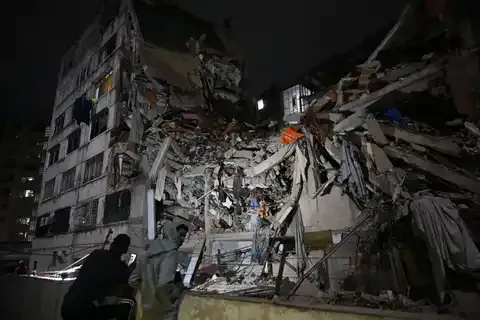
At least 32 people have died and more than 700 others have been injured after two powerful earthquakes struck Venezuela on Wednesday evening, causing widespread destruction across several regions. Authorities have declared a state of emergency, with La Guaira identified as the worst-hit area and officially described as a disaster zone.
Emergency teams and rescue workers continue search-and-rescue operations as officials warn that the casualty count may rise while collapsed buildings are searched and communication is restored in affected areas.
Twin Earthquakes Strike Venezuela
The two earthquakes struck shortly after 6 pm local time, sending strong tremors across several parts of Venezuela.
The seismic shocks were felt in:
- La Guaira.
- Caracas.
- Surrounding states.
- Other affected regions.
Authorities immediately activated emergency response protocols following reports of collapsed structures and widespread damage.
Death Toll Rises to 32
According to official figures released by Acting President Delcy Rodríguez:
- At least 32 people have been killed.
- More than 700 people have been injured.
- Rescue operations remain underway.
- The number of casualties is expected to increase.
Officials cautioned that many affected areas are still being assessed.
La Guaira Declared a Disaster Zone
Authorities identified La Guaira as the region worst affected by the earthquakes.
The area has suffered:
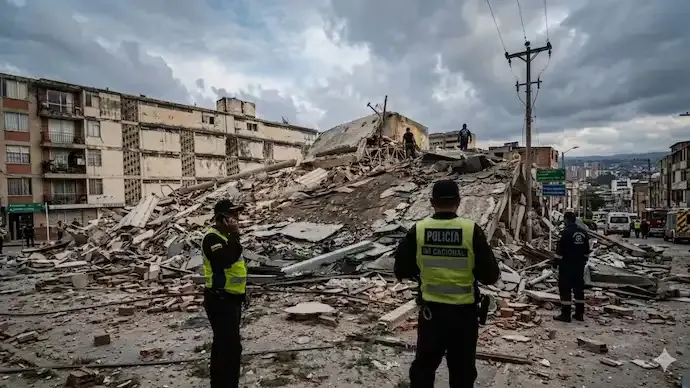
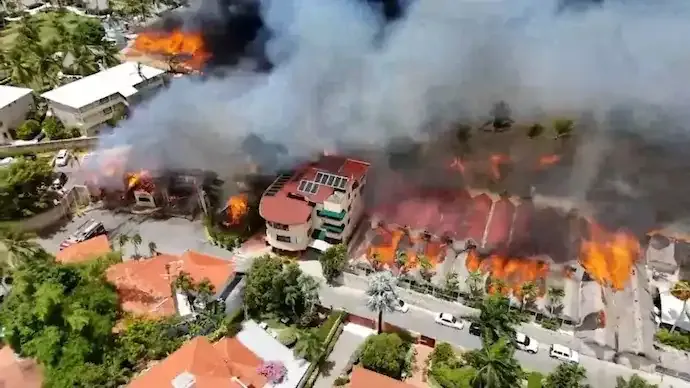
- Extensive structural damage.
- Building collapses.
- Infrastructure disruption.
- Ongoing rescue operations.
Officials stated that initial casualty figures did not yet fully include data from La Guaira because emergency assessments were still continuing.
State of Emergency Declared
The Venezuelan government declared a nationwide state of emergency following the disaster.
The declaration allows authorities to:
- Mobilise emergency resources.
- Coordinate rescue teams.
- Accelerate humanitarian assistance.
- Restore essential public services.
- Provide support to affected communities.
Emergency management agencies remain on high alert.
Rescue Operations Continue
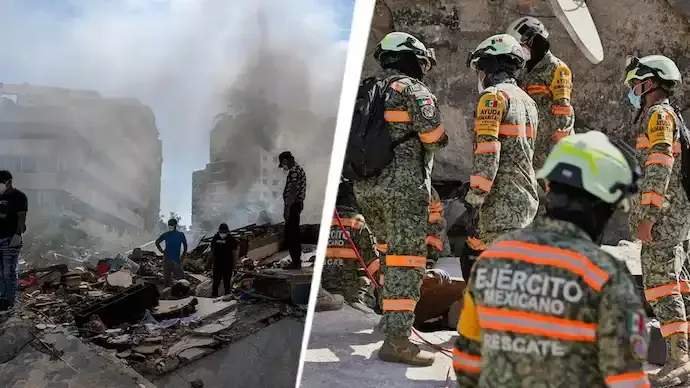
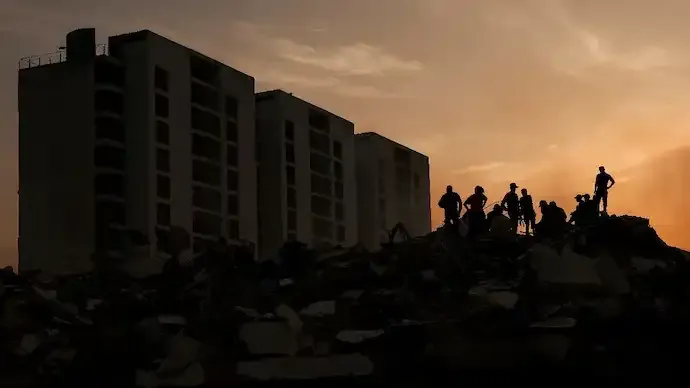
Search-and-rescue teams are working to locate survivors trapped beneath collapsed buildings.
Emergency responders are focusing on:
- Urban search operations.
- Medical evacuations.
- Temporary shelters.
- Distribution of emergency supplies.
- Damage assessments.
Authorities have urged residents to follow official safety instructions while rescue efforts continue.
Caracas Also Experiences Strong Tremors
Although La Guaira suffered the greatest damage, strong shaking was also reported in Caracas, Venezuela's capital.
Authorities are inspecting:
- Government buildings.
- Residential structures.
- Transport infrastructure.
- Hospitals.
- Public utilities.
No comprehensive nationwide damage assessment has yet been released.
Why Earthquakes Occur in Venezuela
Venezuela experiences earthquakes because it lies near the boundary between the Caribbean Plate and the South American Plate.
The movement of these tectonic plates can generate seismic activity ranging from minor tremors to powerful earthquakes.
Although major earthquakes are less frequent than in some neighbouring regions, Venezuela remains vulnerable to seismic hazards.
Humanitarian Response Underway
Government agencies and emergency services have begun providing assistance to affected communities.
Relief efforts include:
- Medical treatment.
- Emergency shelters.
- Food and water distribution.
- Infrastructure restoration.
- Public safety monitoring.
Authorities continue coordinating with local emergency teams to reach heavily affected areas.
Aftershocks Remain Possible
Following significant earthquakes, aftershocks are common.
Officials have advised residents to:
- Stay away from damaged buildings.
- Follow evacuation orders if issued.
- Monitor official announcements.
- Prepare emergency supplies.
- Remain cautious during rescue operations.
Safety agencies continue monitoring seismic activity.
Why This Disaster Matters
The earthquakes have caused significant human and infrastructure losses in Venezuela and are expected to place considerable pressure on emergency services.
Large-scale natural disasters often require:
- Long-term rebuilding.
- Humanitarian assistance.
- Infrastructure rehabilitation.
- Economic recovery.
- Continued disaster preparedness.
The situation remains fluid as authorities continue evaluating the full extent of the damage.
Conclusion
The twin earthquakes that struck Venezuela have claimed at least 32 lives and injured more than 700 people, with La Guaira emerging as the worst-affected region. Rescue operations remain underway as authorities continue searching collapsed buildings and assessing the scale of destruction. With a state of emergency now in effect and aftershocks still possible, emergency services remain focused on saving lives and supporting affected communities while the country begins the long recovery process.
FAQ SECTION
Q1. How many people died in the Venezuela earthquakes?
According to official figures, at least 32 people have died.
Q2. How many people were injured?
More than 700 people have been reported injured.
Q3. Which area was worst affected?
La Guaira has been identified as the worst-hit region and has been declared a disaster zone.
Q4. Has Venezuela declared an emergency?
Yes. Authorities have declared a state of emergency following the earthquakes.
Q5. Why is the death toll expected to rise?
Rescue teams are still searching collapsed buildings and assessing damage in several affected areas.
Q6. Why does Venezuela experience earthquakes?
Venezuela is located near the boundary of the Caribbean and South American tectonic plates, making it susceptible to seismic activity.
Conversation
Be kind and stay on topic. Comments are moderated; abuse, spam and personal attacks are removed. Report a problem