

Russia has begun importing petrol from India as repeated Ukrainian drone strikes cripple domestic refineries. (Photo: Reuters)
Why is Russia importing petrol from India?
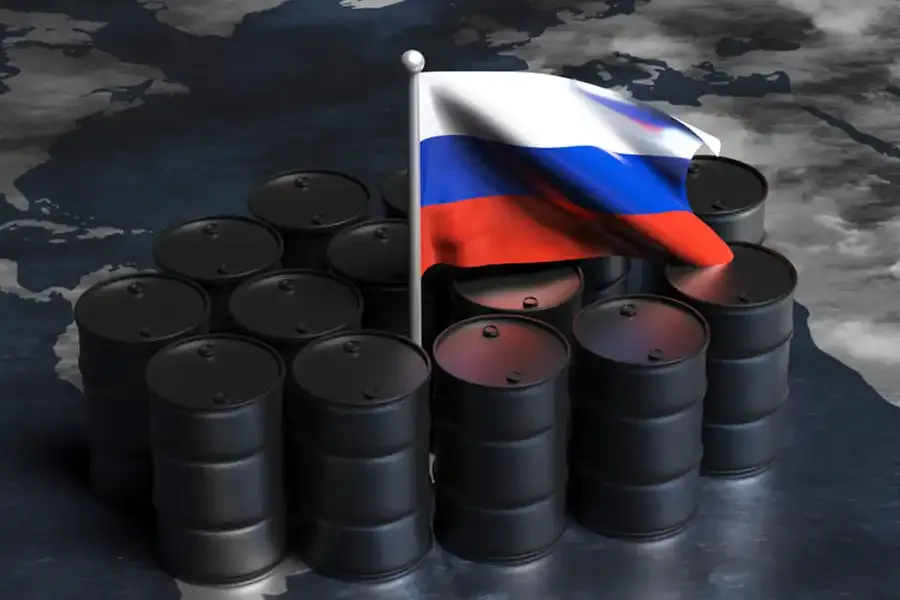
In a surprising reversal of global energy trade, Russia—one of the world's biggest crude oil exporters—has begun importing petrol from India, a country that imports nearly 90% of its crude oil requirements.
The development comes as Ukrainian drone attacks continue to damage Russia's oil refining infrastructure, sharply reducing the country's ability to convert crude oil into petrol and diesel. While Russia still has abundant crude reserves, refining capacity has become a major bottleneck, forcing Moscow to source refined fuel from overseas.
According to Bloomberg, Russia received its first petrol shipment from Indian refiner Nayara Energy on August 5, marking the first time India has supplied petrol to Russia.
First Indian petrol shipment reaches Russia
Bloomberg reported that the inaugural cargo was loaded from Nayara Energy's Vadinar refinery in Gujarat on June 18 aboard the Russian-flagged tanker Cyclone. The shipment was later transferred to another vessel near Egypt before reaching Russia in early August.
The report added that several additional fuel shipments from India are already in transit, indicating that this is not a one-off transaction but the beginning of a new trade pattern.
Earlier, Reuters had also reported that Russia started importing petrol through sea routes from India, alongside fuel supplies arriving from Belarus and Kazakhstan.
Ukrainian drone strikes cripple Russian refineries
The biggest reason behind Russia's fuel imports is the sustained Ukrainian campaign targeting Russian oil refineries.
While attacks on energy infrastructure began in 2024, they intensified significantly in 2026. According to Reuters, dozens of Russian refineries and fuel-processing facilities have been struck this year, including major sites in Moscow, Omsk, Ryazan and Orsk.
The repeated attacks have sharply reduced Russia's refining output.
Energy consultancy Energy Aspects estimates Russian refineries processed around 3.91 million barrels of crude per day in early July, more than 1.4 million barrels per day lower than last year's average and the country's lowest refining rate since 2005.
Fuel shortages force Russia to import petrol
Despite being one of the world's largest energy exporters, Russia is now experiencing petrol shortages across several regions.
To protect domestic supplies, Moscow has extended its ban on petrol exports until the end of 2026 while also restricting diesel exports. However, these measures have not fully eased shortages, with reports of fuel rationing and long queues at petrol stations in multiple regions.
Summer demand has further worsened the situation, with Russia's daily petrol consumption rising to around 110,000 tonnes.
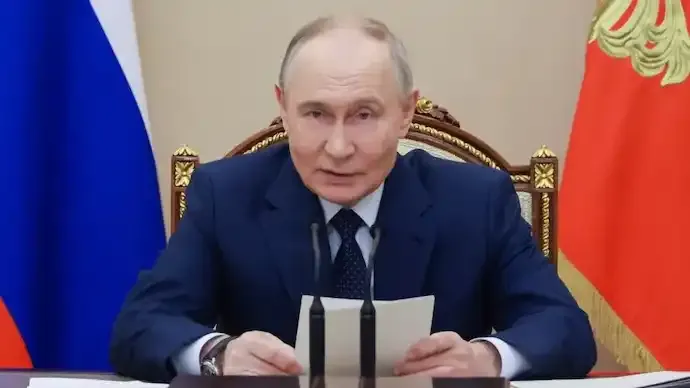
Even Russian President Vladimir Putin acknowledged that Ukrainian strikes on refineries had contributed to regional fuel shortages, although he maintained that authorities were managing the crisis.
India's growing role in Russia's fuel supply
India has emerged as one of the key suppliers helping Russia bridge its fuel deficit.
Much of the exported petrol comes from Nayara Energy's Vadinar refinery in Gujarat, one of India's largest refining complexes. Russian energy giant Rosneft owns a 49.13% stake in Nayara Energy, making the trade commercially significant for both countries.
Ironically, India continues to import record volumes of Russian crude oil while exporting refined petroleum products back to Russia.
According to Kpler data, India imported a record 2.8 million barrels per day of Russian crude in July, accounting for 55.5% of India's total crude imports.
Why this matters
The development reflects how modern warfare is reshaping global energy markets.
Although Russia remains one of the world's largest crude producers, repeated attacks on its refining infrastructure have disrupted domestic fuel production. As a result, the country has been forced to import refined petroleum products—including petrol from India—for the first time.
The unusual trade flow highlights India's growing importance as a global refining hub and demonstrates how geopolitical conflicts can rapidly alter long-established energy supply chains.


Conversation
Be kind and stay on topic. Comments are moderated; abuse, spam and personal attacks are removed. Report a problem