

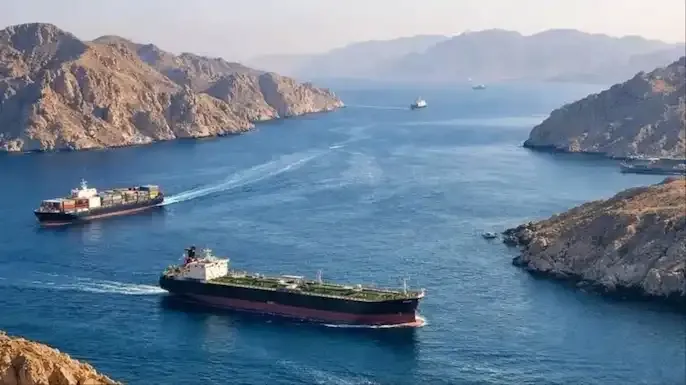
The diplomatic deadlock between Iran and the United States has deepened after Tehran confirmed that mediated efforts to revive the June interim agreement have failed to make any meaningful progress. The stalled negotiations have prolonged uncertainty over the closure of the Strait of Hormuz, one of the world's most strategically important maritime trade routes, raising concerns over global oil supplies and regional stability.
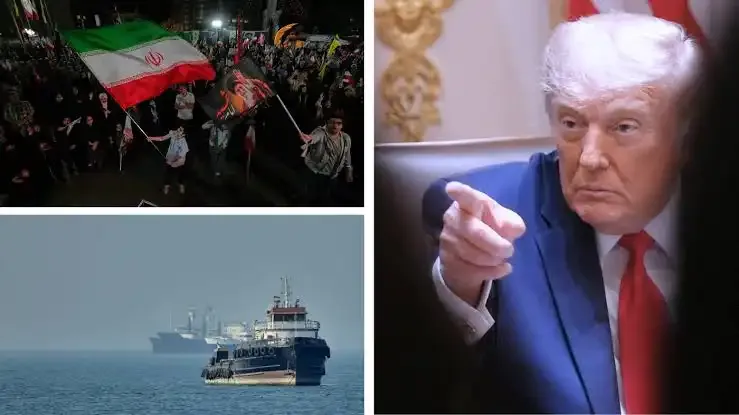
The latest developments come amid renewed war of words between US President Donald Trump and Iran's leadership, with both sides continuing to accuse each other of violating commitments made under the June agreement.
Iran Says Peace Negotiations Have Reached a Standstill
According to a senior Iranian official speaking through Reuters, discussions conducted via international mediators have not resulted in any breakthrough regarding the revival of the interim agreement or the implementation of previously agreed commitments.
The source said there had been "absolutely no progress" in defining a roadmap for the United States to return to the June framework, indicating that negotiations remain at an impasse.
Why the June Agreement Collapsed
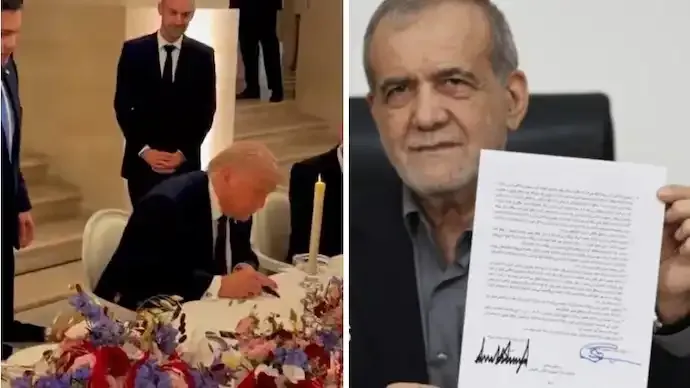
The interim deal announced in June was intended to immediately halt military operations while creating a pathway for broader negotiations covering Iran's nuclear programme, sanctions relief and regional security.
However, the agreement quickly unraveled as both countries accused each other of violating its terms.
Washington maintains that Iran failed to reopen the Strait of Hormuz to commercial shipping, while Tehran argues that the United States did not fulfil key commitments, including easing restrictions on Iranian ports and releasing frozen Iranian assets.
Trump Claims US Has 'Total Control' of Strait of Hormuz
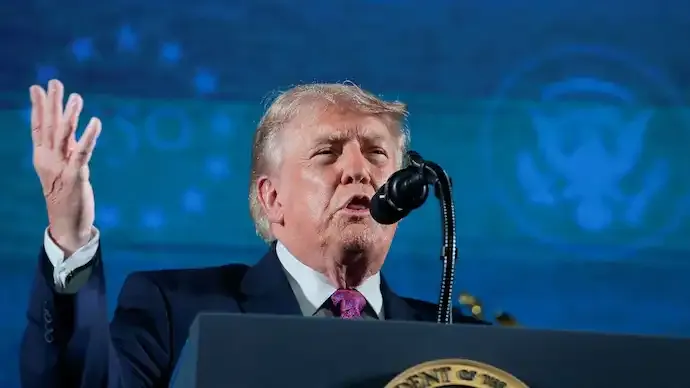
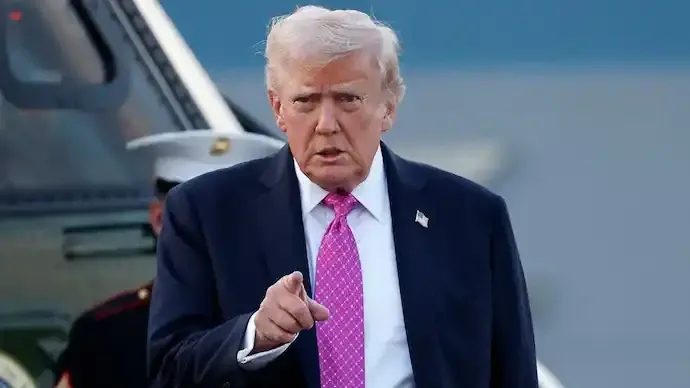
Adding to the diplomatic tension, President Donald Trump claimed that the United States has "total control" over the Strait of Hormuz.
Iran immediately rejected the statement.
Iranian authorities overseeing the strategic waterway reiterated that the strait will remain closed until Tehran's conditions are met, dismissing Washington's claims and insisting that responsibility for the stalled agreement lies with the United States.
Iran Rejects Reports of Ceasefire Extension
Iran also denied reports suggesting that the 60-day implementation period under the June agreement had been extended.
Officials said there was no extension to discuss because, from Tehran's perspective, the agreement effectively ceased to exist shortly after it was signed due to alleged US violations.
The comments contradict earlier reports indicating that mediators were exploring ways to prolong the temporary arrangement.
Fresh Shipping Attacks Raise Regional Security Concerns
The diplomatic stalemate coincides with continued security threats in key maritime corridors.
Recent incidents involving commercial vessels near the Bab el-Mandeb Strait and military action involving a cargo ship have reinforced concerns over the safety of international shipping routes connected to the Gulf.
The Strait of Hormuz normally carries nearly one-fifth of global oil and liquefied natural gas shipments, making any prolonged disruption significant for global trade and energy security.
Oil Prices Remain Highly Sensitive
Global crude prices continue to react sharply to developments in the Gulf.
Brent crude traded around $88 per barrel, while US West Texas Intermediate (WTI) hovered near $83 per barrel, with investors closely monitoring diplomatic developments, shipping disruptions and geopolitical risks across the region.
Outlook
With negotiations stalled, the Strait of Hormuz still largely disrupted and both Washington and Tehran maintaining hardline positions, prospects for a comprehensive peace agreement remain uncertain. Until meaningful diplomatic progress is achieved, global energy markets and international shipping are likely to remain vulnerable to further geopolitical shocks.

Conversation
Be kind and stay on topic. Comments are moderated; abuse, spam and personal attacks are removed. Report a problem