
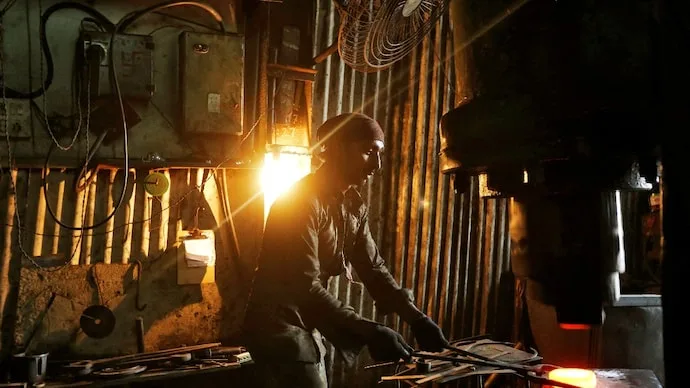
India’s growth story remains strong, but rising import dependence, global conflicts, trade tensions and artificial intelligence are creating new challenges for the economy. Policymakers have warned that disruptions in fuel, fertiliser and food supplies, along with changes in the services sector, could expose vulnerabilities beneath the headline growth numbers.
Oil and fertiliser dependence remain key risks
India imported 88.2% of its crude oil requirements in 2024-25, up from 77.6% in 2013-14, according to Reserve Bank of India data. Higher global oil prices can raise the country’s import bill while putting pressure on inflation, the rupee and the current account.
Fertiliser dependence is another concern. An ICRIER study estimates India’s effective external dependence on fertiliser at around 68-70% when imported feedstocks and intermediate materials are included. Around 85% of the natural gas used for domestic urea production is imported.
These vulnerabilities become more significant when wars, shipping disruptions and extreme weather threaten global supply chains.
Manufacturing remains the missing piece
India has pushed initiatives such as Make in India and the Production Linked Incentive scheme to expand manufacturing. However, the sector’s share of the economy has remained largely within the 15-18% range for decades.
According to an Infomerics Ratings report, manufacturing accounted for 15.2% of GVA in 2024-25, down from 18.5% in 2021-22.
The challenge is therefore not simply building factories, but developing domestic supply chains, engineering capabilities, skilled workers and supporting industries that can move India higher up the value chain.
AI creates another economic challenge
India’s services sector has long been a major source of jobs and foreign exchange. However, AI-driven automation could change the type and volume of work required, particularly in lower-level white-collar roles.
This makes manufacturing more important as a potential source of jobs and exports. Modern manufacturing itself also increasingly depends on software, AI, automation and data.
India’s growth story may therefore depend on strengthening both manufacturing and services while reducing exposure to external shocks. With companies diversifying supply chains beyond China, India has an opportunity—but competition from countries such as Vietnam, Indonesia and Mexico remains strong.


Conversation
Be kind and stay on topic. Comments are moderated; abuse, spam and personal attacks are removed. Report a problem