

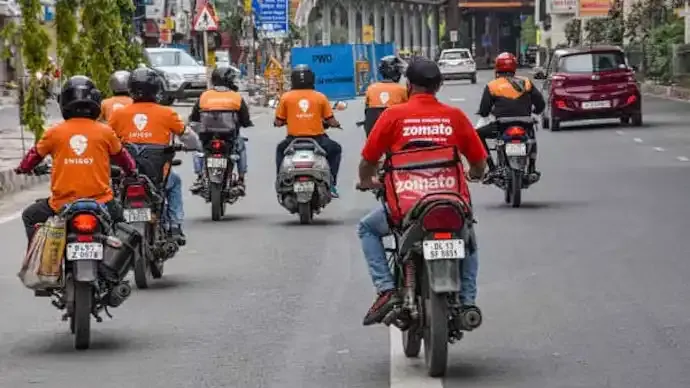

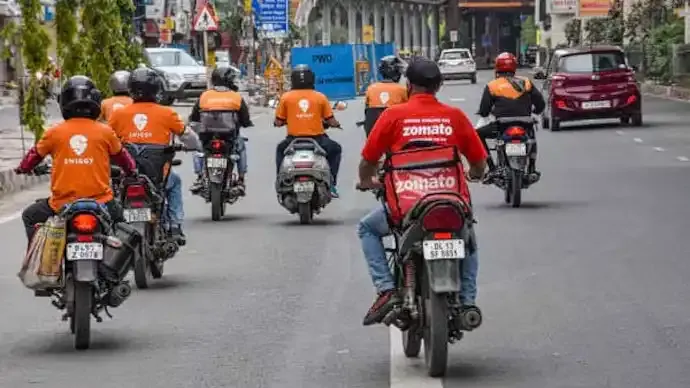
Delivery workers associated with major app-based platforms including Swiggy, Zomato, Amazon, Zepto, Blinkit and Flipkart have announced a nationwide strike on December 31, intensifying pressure on platform companies over pay, job security and social protection.
The strike call comes just days after a similar protest on December 25, signalling growing unrest within India’s gig economy as workers allege worsening conditions despite a surge in demand for fast deliveries.
Who has called the strike
The protest has been jointly announced by the Telangana Gig and Platform Workers Union and the Indian Federation of App-Based Transport Workers. Delivery workers from major metro cities as well as several tier-2 cities are expected to participate.

Union leaders say repeated strikes are aimed at forcing platforms to address long-pending concerns that have intensified as delivery volumes rise.
Algorithm-driven work under fire
At the centre of the dispute is the role of algorithms in determining pay, incentives and delivery targets. Workers allege that app-based systems control their earnings and workloads with little transparency, frequently changing incentive structures and tightening delivery timelines.
Unions argue that business risks are increasingly being shifted onto workers, while income has become unpredictable and unstable due to frequent policy changes within the apps.
Falling earnings and job insecurity
According to worker groups, delivery partners are facing declining incomes, longer working hours and mounting pressure to meet unsafe delivery deadlines. Additional grievances include sudden blocking of work IDs without explanation, delayed or failed payments and lack of clarity over routes and penalties assigned by platforms.
Workers say the absence of effective, in-app grievance redressal mechanisms leaves them with limited options to resolve disputes quickly.
Demand for social security benefits
A key demand of the strike is access to basic social security, which most gig workers currently lack. These include health insurance, accident coverage, fixed rest breaks and pension benefits.
Unions are also seeking stronger welfare safeguards and transparent grievance systems that allow workers to challenge penalties and payment issues fairly.
Opposition to ultra-fast delivery models
Another major point of contention is the push for ultra-fast delivery services, such as 10-minute deliveries. Workers say such targets incentivise risky behaviour on the roads and endanger their lives.
Union leaders argue that customer convenience should not come at the cost of worker safety and are calling for an end to delivery timelines they describe as unsafe and unrealistic.
Impact on customers
With the strike scheduled for December 31, a peak day for orders, customers in several cities may face delays in food and package deliveries if participation is widespread. Unions hope the timing will push companies and policymakers to engage more seriously with gig workers’ demands.







Conversation
Be kind and stay on topic. Comments are moderated; abuse, spam and personal attacks are removed. Report a problem