

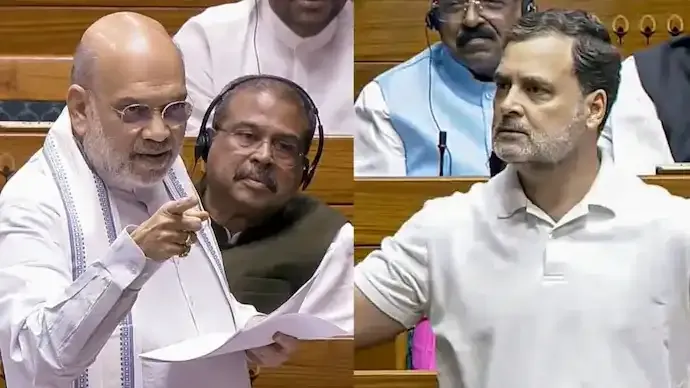

The Women’s Reservation Bill failed to pass in the Lok Sabha, highlighting sharp political divisions between the ruling alliance and the Opposition. The bill, which required a two-thirds majority to amend the Constitution, fell short despite significant support.
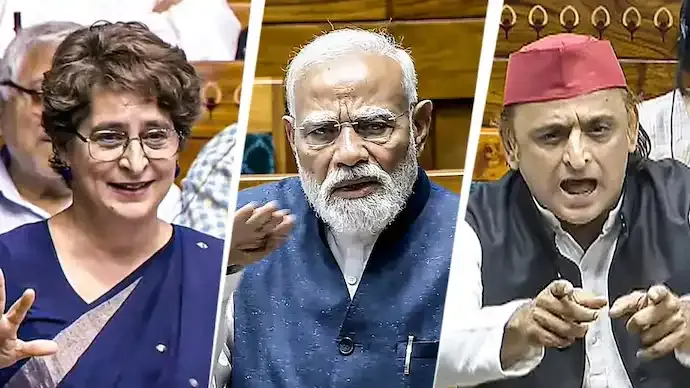
The outcome has sparked a major political confrontation, with both sides trading strong remarks over the implications of the vote.
Vote Count Falls Short of Required Majority
The bill secured 298 votes in favour and 230 against, missing the required 352 votes needed for passage as a Constitutional amendment.

Despite gaining a majority, the numbers were insufficient to meet the higher threshold required for such legislative changes.
NDA Accuses Opposition of ‘Anti-Women’ Stand
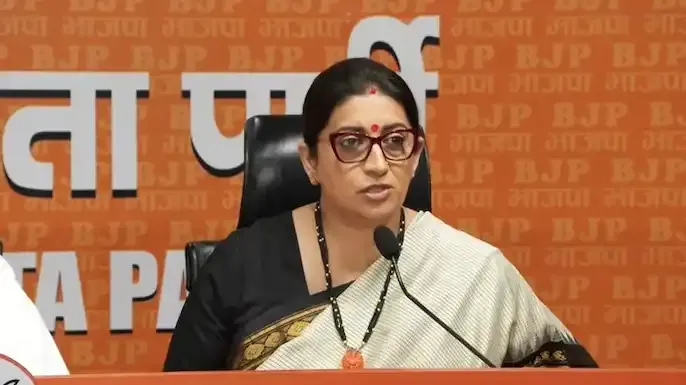
Leaders from the ruling National Democratic Alliance (NDA) criticised the Opposition, accusing them of blocking a significant reform aimed at increasing women’s representation in politics.
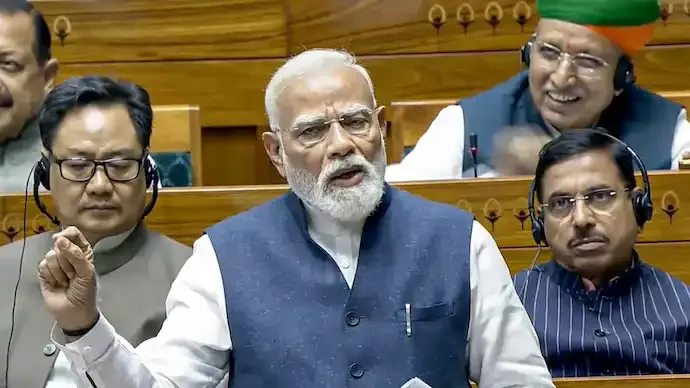
The government positioned the bill as a step toward empowerment and inclusivity, arguing that its defeat sends a negative message.
Opposition Celebrates Strategic Victory
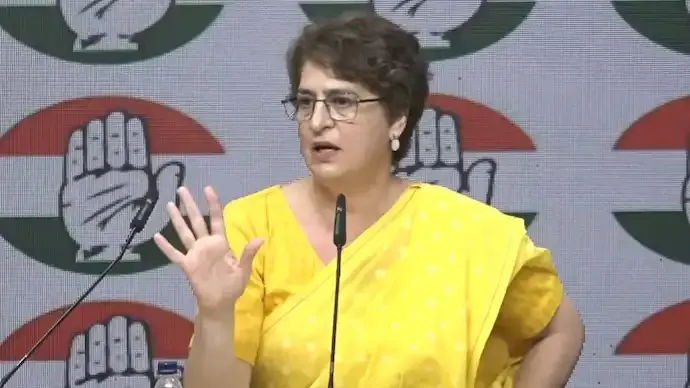
On the other hand, Opposition parties viewed the outcome as a political victory, having successfully united to block the bill.
The development marks a rare instance where Opposition parties coordinated effectively to challenge a major government proposal.
Debate Reflects Deep Political Divide
The discussions leading up to the vote were marked by intense exchanges, with both sides presenting strong arguments.
While the ruling side emphasised women’s empowerment, the Opposition raised concerns over various aspects of the bill, including its implementation framework.
Implications for Future Elections
The defeat of the bill is expected to have political implications, especially with upcoming electoral cycles in focus.
Both the NDA and Opposition are likely to use the issue to shape their narratives and connect with voters.
What Lies Ahead
The future of the Women’s Reservation Bill remains uncertain following its defeat.
The government may consider reintroducing the proposal with modifications, while political debates around representation and policy are expected to continue.



Conversation
Be kind and stay on topic. Comments are moderated; abuse, spam and personal attacks are removed. Report a problem