

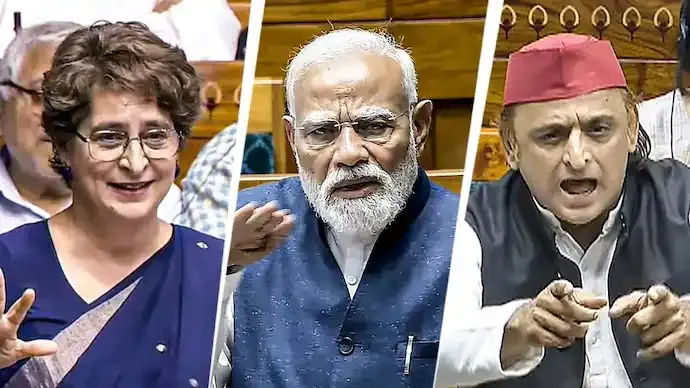

The debate over the Women’s Reservation Bill in Parliament has turned into a high-stakes political battle, with both the ruling side and the Opposition deploying sharp strategies to shape the narrative.
The government attempted to project itself as a strong supporter of women’s empowerment while pushing for the passage of the Women’s Reservation and Delimitation Bills. However, the Opposition countered this move by raising the issue of caste census, turning the debate into a complex political contest.
BJP Pushes Women Empowerment Narrative
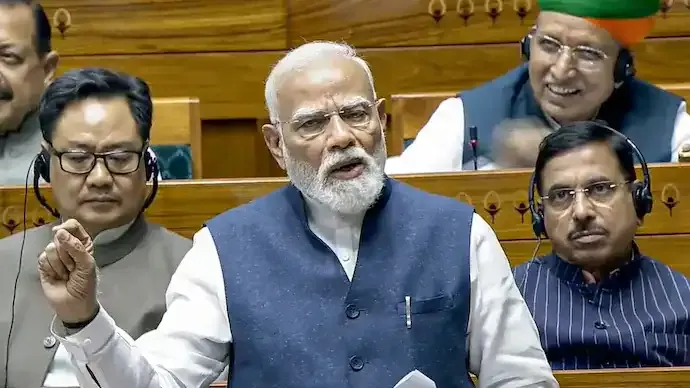
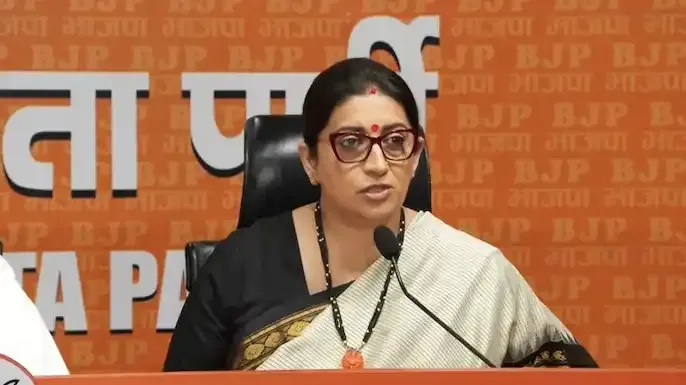
During the debate, the ruling side focused on positioning the Women’s Reservation Bill as a landmark reform aimed at increasing women’s representation in Parliament and state assemblies.

By advancing the bill alongside delimitation, the government sought to highlight its commitment to structural political reforms and gender equality. The move was seen as an attempt to strengthen its image as a pro-women governance force.
Opposition Counters with Caste Census Argument
The Opposition, however, responded strategically by shifting the focus towards the demand for a caste census. Leaders argued that representation should not only be based on gender but must also consider caste-based realities in India.
This approach allowed Opposition parties to avoid being portrayed as opposing women’s empowerment, while simultaneously questioning the broader framework of representation proposed by the government.
Priyanka Gandhi’s Sharp Remarks in Lok Sabha
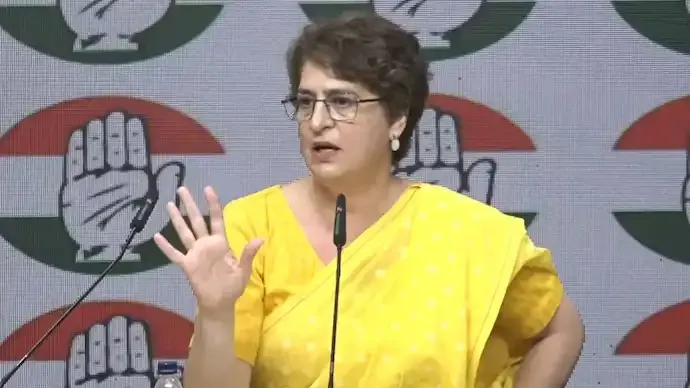
During the heated debate, Congress leader Priyanka Gandhi made strong remarks, accusing the government of creating a political trap. She suggested that linking women’s reservation with delimitation placed the Opposition in a difficult position.
According to her argument, opposing the bill could lead to being labelled as anti-women, while supporting it without addressing concerns around delimitation could have long-term political implications.
Her comments reflected the tactical nature of the debate, where both sides are carefully shaping their positions.
Delimitation Adds Complexity to the Debate
The inclusion of the delimitation exercise has made the issue more complicated. Delimitation involves redrawing parliamentary constituencies based on population data, which can significantly impact political representation across states.
Opposition leaders have raised concerns that linking it with women’s reservation could delay implementation and alter the balance of power among states.
Political Narrative Battle Intensifies
The ongoing debate highlights a broader narrative battle in Indian politics. While one side is emphasising women’s empowerment, the other is focusing on inclusive representation through caste-based data.
This strategic clash shows how legislative debates in Parliament often go beyond policy and reflect deeper political positioning ahead of future elections.
What Lies Ahead
As discussions continue, the fate of the Women’s Reservation Bill and related proposals will depend on how both sides negotiate their positions.
The outcome could have far-reaching implications for India’s political structure, representation, and electoral landscape.



Conversation
Be kind and stay on topic. Comments are moderated; abuse, spam and personal attacks are removed. Report a problem