

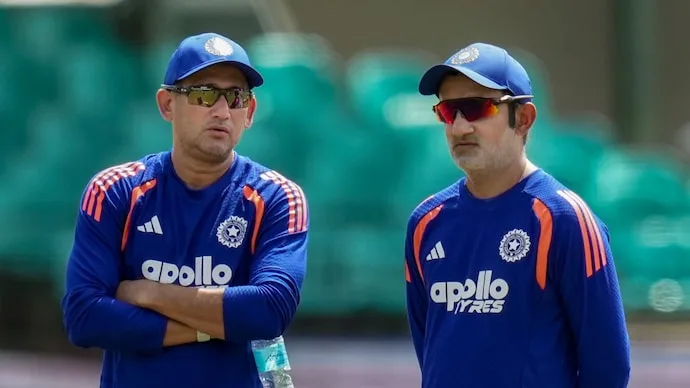

The Ajit Agarkar report card presents a complicated picture of a chief selector who oversaw three ICC titles but faced persistent criticism over some of Indian cricket’s biggest selection decisions. His tenure ended on October 4, 2026, with India having won the 2024 T20 World Cup, the 2025 Champions Trophy and the 2026 T20 World Cup. India also reached the 2023 ODI World Cup final.
Those achievements make his record difficult to dismiss. Yet questions about the handling of senior players, selection consistency and the authority he exercised ensured that his time in the role was never free from controversy.
Three ICC Titles and Bold Selection Calls
One of Agarkar’s defining decisions was backing Suryakumar Yadav as India’s T20I captain after Rohit Sharma retired from the format in 2024. Hardik Pandya had served as Rohit’s deputy during the T20 World Cup and appeared to be a natural successor.

However, Agarkar and the team management chose Suryakumar, with Hardik’s fitness and availability among the considerations. The decision proved successful when India won the 2026 T20 World Cup under Suryakumar’s leadership.
Another major selection call involved Shubman Gill. After Gill returned to the T20I setup as vice-captain, his inclusion disrupted the established opening combination of Abhishek Sharma and Sanju Samson. Gill struggled for form, while Samson found it difficult to settle into the middle order.
The selectors eventually dropped Gill before the 2026 T20 World Cup and brought in Ishan Kishan. India went on to win the tournament, with Samson delivering important performances in the knockout stages.
These decisions demonstrated Agarkar’s willingness to back a strategy, but also highlighted the importance of changing course when a combination failed to deliver.
Rohit Sharma and Virat Kohli: The Toughest Transition
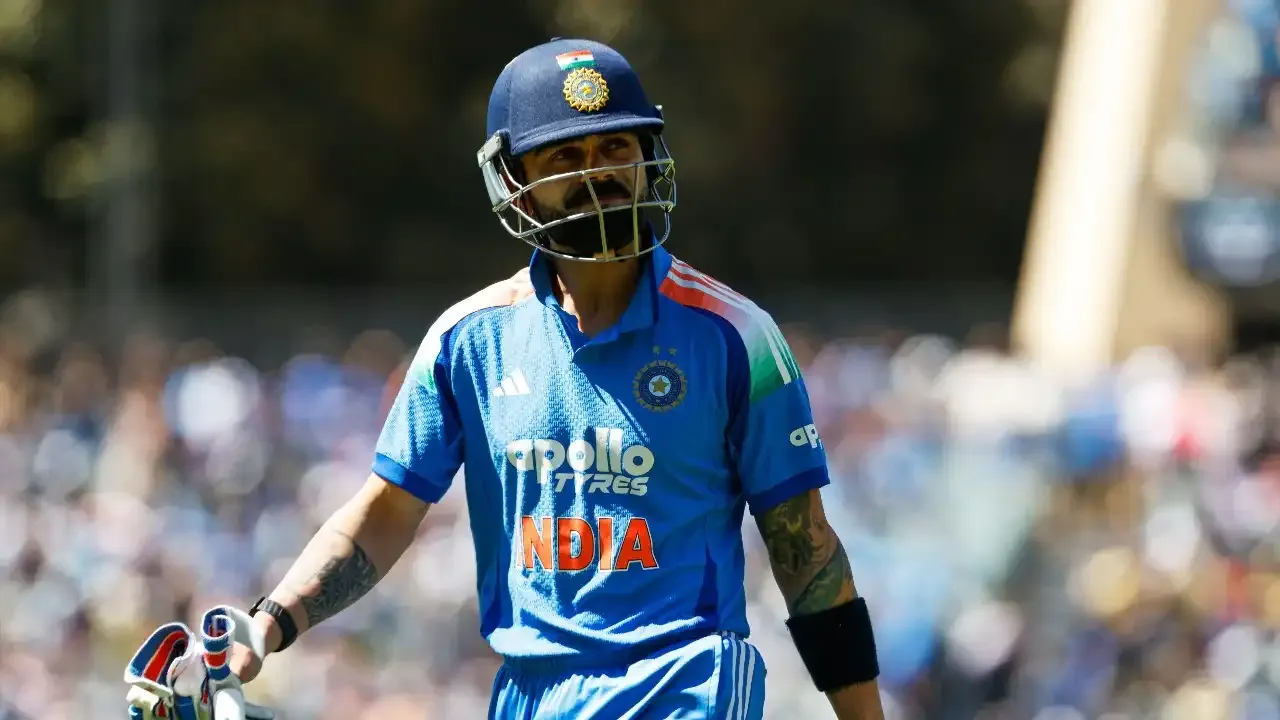
The most contentious period of Agarkar’s tenure involved the futures of Rohit Sharma and Virat Kohli in Test cricket. Both struggled during India’s 2024-25 tour of Australia before retiring from the format in May 2025.
Moving towards a younger team was understandable, but questions remained over the timing, particularly in Kohli’s case.
Former chief selector MSK Prasad argued that Kohli could have continued playing Test cricket for another two years. He acknowledged that younger players, including Yashasvi Jaiswal, Shubman Gill and KL Rahul, represented the next generation, but felt Kohli still had more to offer.
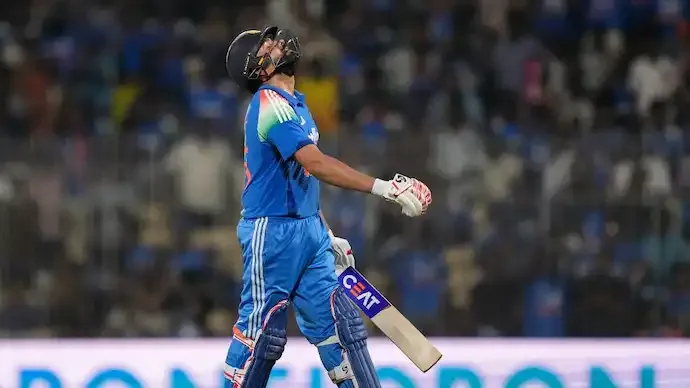
The debate intensified after Rohit was replaced as ODI captain following the Champions Trophy. The stated rationale was to give Gill time to prepare for the 2027 ODI World Cup, but the decision was also interpreted as a signal about Rohit’s future as a player.
A T-shirt worn by Rohit in September bearing the word “Non-committal?” revived speculation about his World Cup plans and Agarkar’s earlier comments. However, Rohit never confirmed that the shirt was directed at the selector, and there was no evidence establishing that he had privately told Agarkar he was uncertain about playing in 2027.
Was Agarkar Too Rigid?
Sports journalist Rahul Rawat described Agarkar as someone who sometimes appeared rigid but also seemed willing to learn from mistakes. His handling of Gill’s T20I place was cited as an example of changing direction when the team combination was not working.
The chief selector’s public visibility also shaped perceptions of his authority. Although the selection committee included other former international cricketers, Agarkar frequently communicated with the captain and head coach, making him the public face of decisions that involved several stakeholders.
Senior sports editor Vikrant Gupta argued that selectors often receive less recognition than captains and coaches when teams win, even though selection decisions help build successful sides.
Final Verdict: A Record That Invites Debate
Agarkar’s tenure featured strong results, bold calls and difficult transitions. Three ICC titles provide substantial evidence of success, but they do not make every selection decision beyond criticism.
The handling of Rohit and Kohli raised legitimate questions about timing and communication, while the Gill experiment showed why selection strategies must remain open to reassessment.
Whether history treats Agarkar more kindly will depend on how Indian cricket evaluates both the trophies and the decisions behind them. His tenure leaves one central question: can a chief selector be judged fairly on his choices when those choices involve some of the country’s biggest cricketing stars?





Conversation
Be kind and stay on topic. Comments are moderated; abuse, spam and personal attacks are removed. Report a problem