
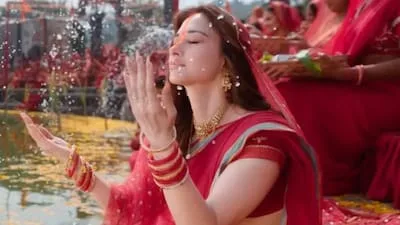
For years, Bihar in mainstream Hindi cinema came with a predictable checklist: guns, gangsters, corrupt politicians, dusty roads and crime. The state often appeared as a dramatic backdrop rather than a place with its own festivals, traditions, humour, faith and everyday stories. Now, that familiar image may finally be changing.
The Vvaan: Force of the Forest is one of the films attempting to put Bihar’s culture at the centre of its story. Directed by Deepak Kumar Mishra, the film uses Chhath not simply as a visual backdrop but as an important part of its world. The story draws from writer-producer Arunabh Kumar’s childhood experiences of growing up in Bihar, giving the festival a personal and cultural foundation.
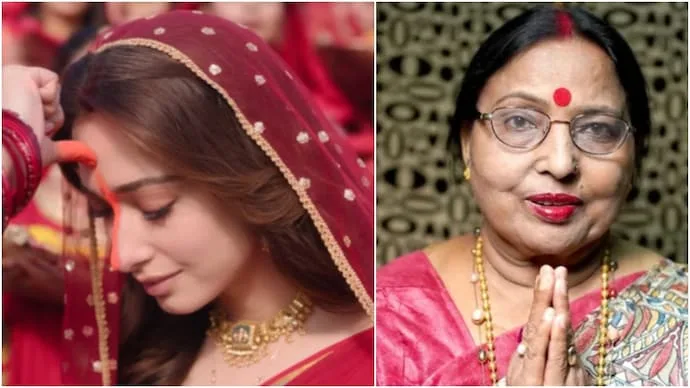
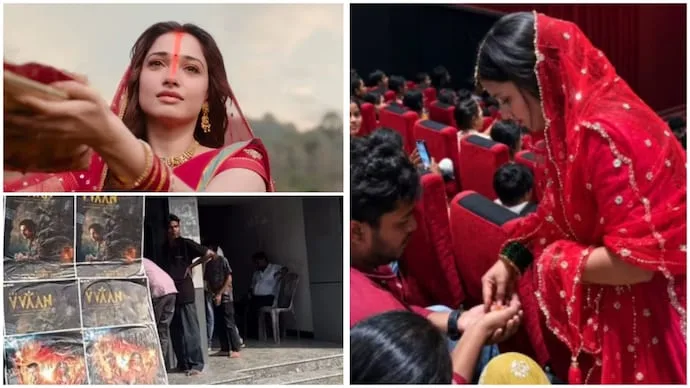
The filmmakers reportedly paid close attention to the rituals, atmosphere and details of Chhath. More than 100 women were dressed in traditional red sarees for a major sequence, while elements such as offerings in the soop and the arghya rituals were incorporated into the scene. The festival also runs parallel to the film’s central conflict involving the protection of the Vandevi forest.
The response has extended beyond the screen. Audiences have reportedly turned screenings into cultural celebrations, with some viewers arriving barefoot and thekua being distributed inside theatres. For the makers, such reactions suggest that cultural specificity can become a strength in mainstream cinema rather than a limitation.
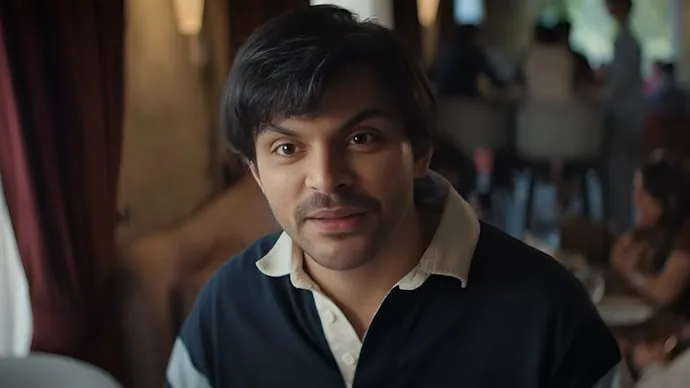
Actor Chandan Roy, known for Panchayat, has also spoken about the need for more authentic representation. According to him, audiences today have greater access to world cinema and are less willing to accept recycled stereotypes. Bihar, he argues, has thousands of stories beyond crime and politics.
That shift is also visible in the growing mainstream presence of regional performers and stories. The massive response to Allu Arjun’s Pushpa 2 trailer launch in Patna highlighted the importance of Bihar’s audience to pan-India cinema, while Bhojpuri actors such as Ravi Kishan and Dinesh Lal Yadav have increasingly appeared across Hindi cinema, television and streaming.
The larger change is perhaps simple: Bihar no longer needs a katta to justify its presence on screen. Its festivals, people, humour, struggles and traditions can be stories in themselves.


Conversation
Be kind and stay on topic. Comments are moderated; abuse, spam and personal attacks are removed. Report a problem