



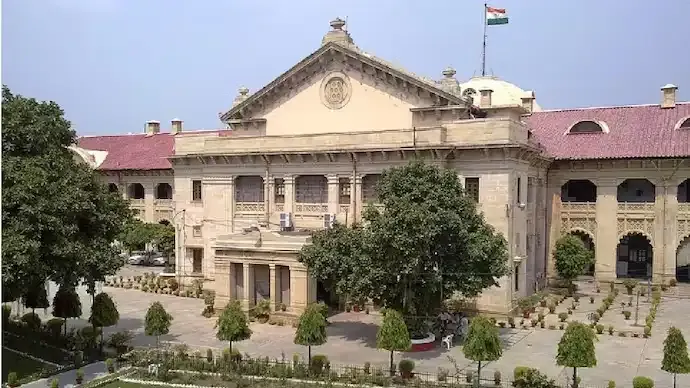
The Bombay High Court has reserved its order on a petition filed by Rahul Gandhi seeking the quashing of a criminal defamation complaint linked to remarks he allegedly made about Prime minister Narendra Modi in 2018.
The case was heard by a single-judge bench led by Justice N. R. Borkar, who listened to detailed arguments from both sides before reserving the verdict. The matter relates to defamation proceedings initiated in August 2019 before a metropolitan magistrate court in Girgaon, Mumbai.
The complaint was filed by a member of the Bharatiya Janata Party (BJP), who alleged that Rahul Gandhi referred to the Prime Minister as “commander-in-thief” during a public rally in Rajasthan in September 2018. The complainant also claimed that the same phrase was used on social media platforms.

According to the complaint, the alleged remarks were defamatory and indirectly suggested that members of the ruling party and citizens were dishonest.
The magistrate court had issued summons to Rahul Gandhi, prompting him to challenge the proceedings in the High Court. In his plea, the Congress leader described the complaint as frivolous, politically motivated, and legally untenable, arguing that it should be dismissed.
Gandhi’s legal team cited Section 199(2) of the Code of Criminal Procedure (CrPC), which states that when an alleged offence concerns a public servant’s conduct in official duties, a sessions court must take cognisance of the matter. Based on this provision, the petition argued that the complainant lacked legal grounds to file the case.
The defence also argued that under Explanation 2 of Section 499 of the Indian Penal Code, a political party does not qualify as a definable group capable of filing a defamation complaint. Therefore, the complainant could not pursue the case in a representative capacity on behalf of party members.
Opposing the petition, the complainant argued that he had established a prima facie case by submitting evidence and testimony supporting his claims. He maintained that he was personally aggrieved and had filed the complaint in his capacity as a party member.
The High Court’s forthcoming decision will determine whether the defamation proceedings will continue or be quashed. Legal experts note that the ruling could clarify important aspects of criminal defamation law, including who qualifies as an aggrieved party and the scope of legal protections available to public officials.
The case continues to draw attention due to its political context and potential implications for public speech and legal accountability in India.





Conversation
Be kind and stay on topic. Comments are moderated; abuse, spam and personal attacks are removed. Report a problem