

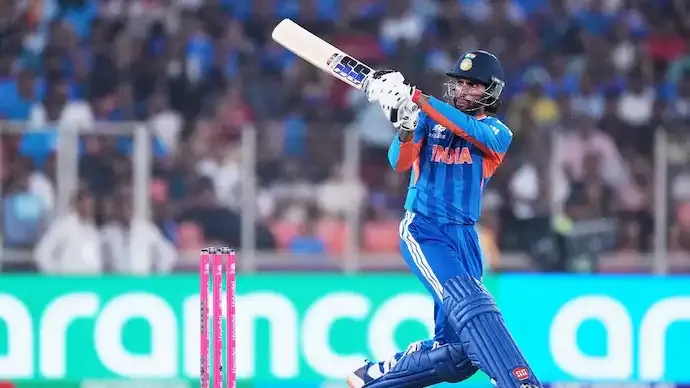

The ICC Men's T20 World Cup 2026 has exposed a major weakness in the India national cricket team — their struggle against spin bowling and a declining impact of their own spin attack. Despite dominating bilateral series leading up to the tournament, India have faltered on the global stage, where spin has emerged as a decisive factor.
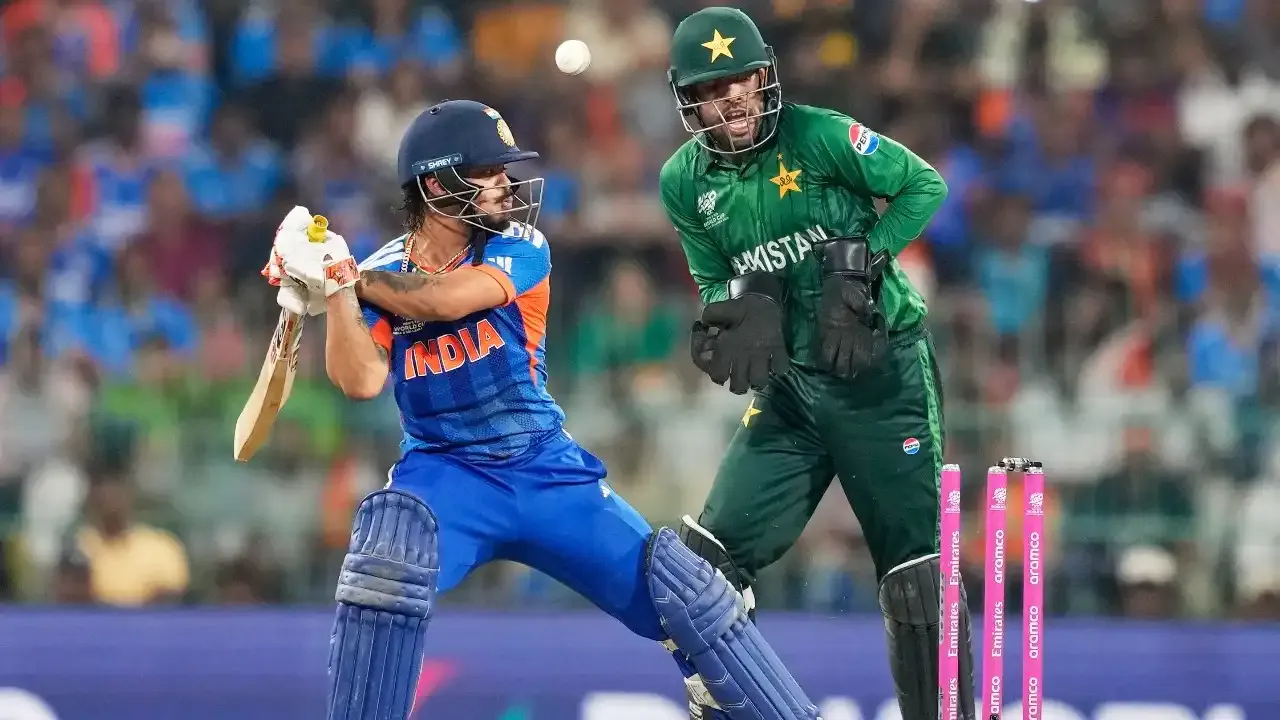
Opposition teams have quickly identified India’s vulnerability and increasingly opened their bowling attacks with off-spinners. This strategy has produced consistent results. World No.1 T20I opener Abhishek Sharma has fallen to off-spin multiple times, while in-form batter Ishan Kishan was dismissed attempting an aggressive shot against Aiden Markram’s part-time spin.
This trend has raised questions about India’s technical preparation and tactical approach. Players known for their attacking ability — including Suryakumar Yadav, Tilak Varma and Rinku Singh — have recorded modest strike rates against quality spin in recent matches.

Former New Zealand cricketer Simon Doull previously observed that modern Indian batters are not inherently superior against spin, contrasting them with earlier generations. The current tournament has reinforced that concern.
Tactical and Structural Issues
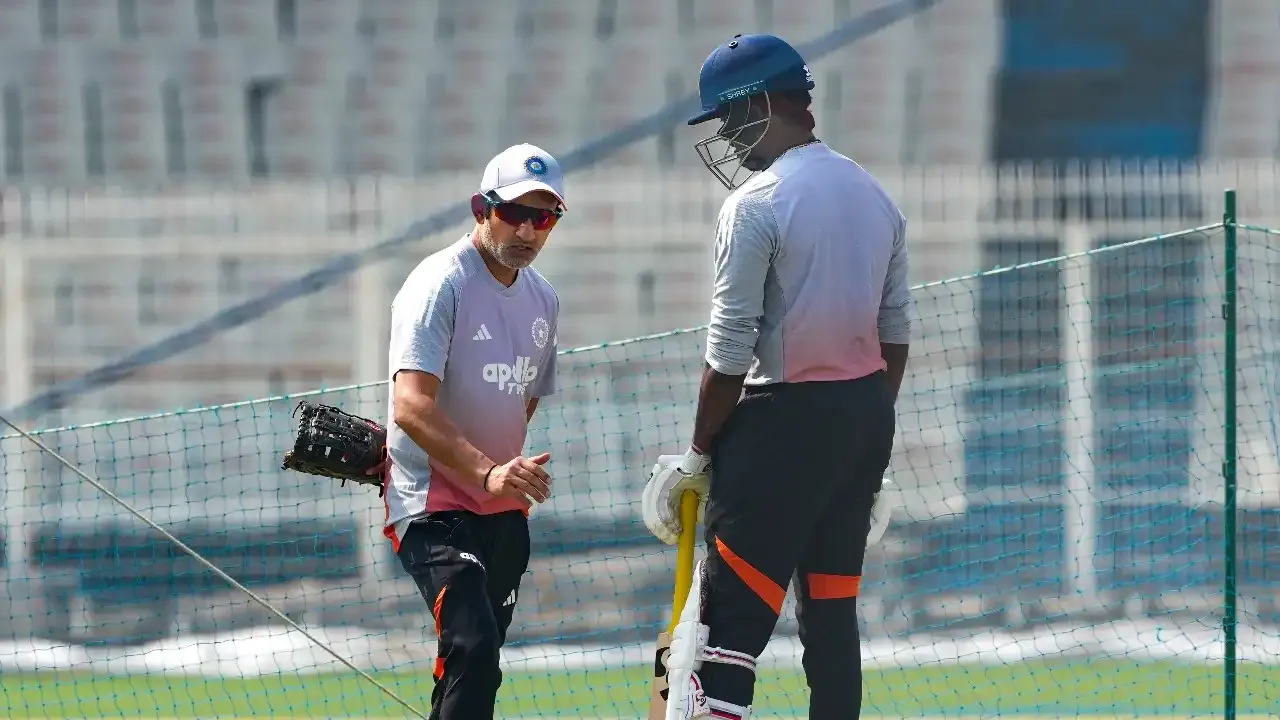
India’s assistant coach Ryan ten Doeschate acknowledged that the team’s left-heavy batting order and struggles against finger spin remain pressing concerns. The predictability of multiple left-handers at the top has allowed opposition teams to deploy off-spinners early and apply pressure.
However, the problem extends beyond batting. India’s own spin bowling has lacked control and consistency.
Selection Decisions Under Scrutiny
During the Super 8 clash against South Africa national cricket team in Ahmedabad, team management left out vice-captain Axar Patel in favour of Washington Sundar to exploit match-ups against left-handed batters. The decision did not produce the desired result, as Sundar bowled only two overs without success while South African batters counterattacked.
Statistics suggest Axar Patel has historically performed well against left-handers, making the tactical change surprising. South Africa, in contrast, relied on Keshav Maharaj to bowl consistently to India’s left-handed batters and benefited from disciplined spin bowling partnerships.
What Successful Spin Attacks Do Differently
Successful spin attacks rely on consistency, partnerships, and disciplined lines rather than excessive variations. Teams such as New Zealand and South Africa have demonstrated the value of sustained pressure through coordinated spin bowling efforts.
India’s current approach appears influenced by constant experimentation and a focus on match-ups rather than building bowling partnerships. Analysts suggest this strategy has reduced control in the middle overs — a crucial phase in T20 cricket.
Deeper Concerns in Development Pathways
Experts also point to structural issues. Flat domestic pitches reduce exposure to quality finger spin, while white-ball cricket’s emphasis on power hitting may weaken technique against slower bowling. For bowlers, the demand for immediate impact has replaced patience and pressure-building spells.
India, long regarded as masters of spin play and spin bowling, now face a critical moment. Addressing technical gaps, refining team balance, and returning to fundamental spin strategies may be essential if they are to regain dominance in conditions where spin remains decisive.







Conversation
Be kind and stay on topic. Comments are moderated; abuse, spam and personal attacks are removed. Report a problem