

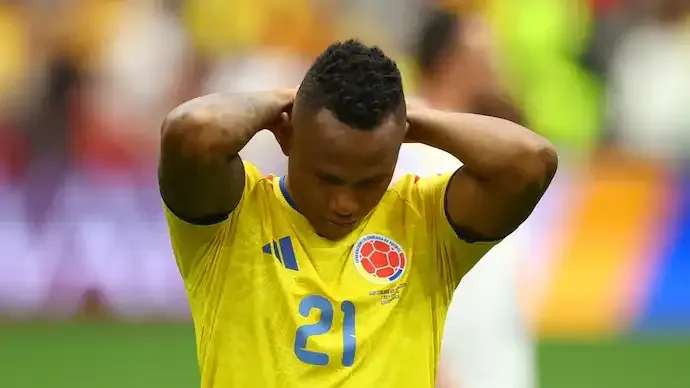

The Colombian Football Federation (FCF) has strongly condemned the death threats directed at midfielder Jaminton Campaz and his family following the national team's exit from the 2026 FIFA World Cup.
In an official statement, the federation described the abuse as unacceptable and urged authorities to identify those responsible, stressing that football should never become a reason for intimidation or violence.
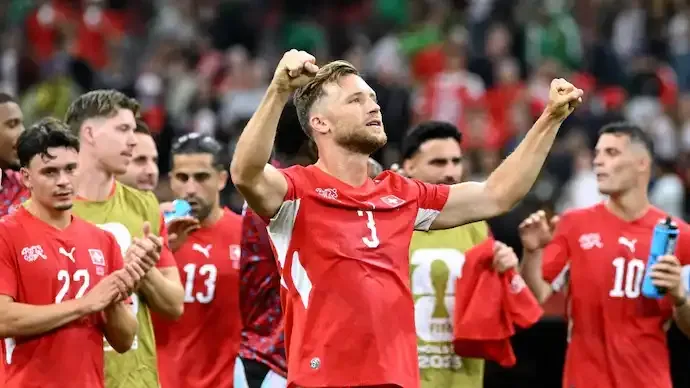
The threats surfaced after Colombia suffered a heartbreaking Round of 16 defeat to Switzerland, ending the team's World Cup campaign.

Campaz Targeted After World Cup Elimination
Colombia's hopes of progressing to the quarter-finals ended after a tense goalless draw against Switzerland in Vancouver was decided by penalties.
The South American side eventually lost the shootout 4-3, bringing their World Cup journey to an end.
Campaz came under heavy criticism after missing a clear scoring opportunity during extra time while the match remained level.
Soon after the defeat, abusive messages and death threats flooded his social media accounts. The midfielder later restricted comments on his profiles and reportedly did not travel back to Colombia with the rest of the squad as a precaution.
Federation Demands Investigation
Reacting to the incident, the Colombian Football Federation called on law enforcement agencies to investigate the threats and identify those responsible.
The federation emphasised that representing the national team should never expose players or their families to intimidation.
In its statement, the FCF said no athlete should face threats for representing their country on the sporting stage and added that football must remain a platform for unity, respect and hope rather than hatred or violence.
The federation also confirmed it had requested Colombia's Attorney General's Office to expedite the investigation.
Campaz Appeals for Respect
Jaminton Campaz also addressed the situation through social media.
Sharing an emotional image after Colombia's elimination, the midfielder acknowledged the disappointment of the defeat while urging supporters not to allow sporting frustration to become hatred.
He said football inevitably brings difficult moments and appealed to fans to respect players even during painful losses, adding that no passion should justify making someone live in fear.
Colombia's World Cup Journey
Despite the disappointing exit, Colombia enjoyed a competitive campaign.
The team advanced from Group K after defeating Uzbekistan and DR Congo, while earning a draw against Portugal.
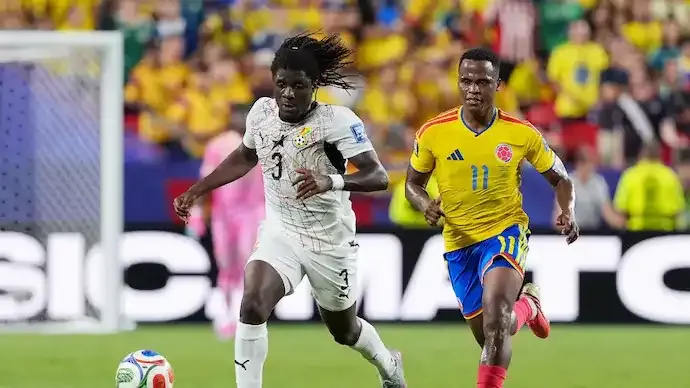
A victory over Ghana in the Round of 32 booked Colombia's place in the last 16 against Switzerland.
Although Colombia remained unbeaten in regular time throughout the tournament, another penalty shootout defeat ended their hopes of advancing further.
Familiar Heartbreak from the Penalty Spot
The latest elimination continues a difficult trend for Colombia in major international tournaments.
The national team has now suffered several painful knockout exits through penalty shootouts, including at the 2018 FIFA World Cup and the 2019 and 2021 Copa América tournaments.
The recurring heartbreak has once again sparked debate over Colombia's fortunes in decisive shootout situations.
Painful Memories Resurface
The abuse directed at Campaz has also revived memories of one of the darkest moments in Colombian football history.
Following the 1994 FIFA World Cup, defender Andrés Escobar was murdered in Medellín days after scoring an own goal against the United States.
Although the circumstances are entirely different, many supporters and football observers have pointed to that tragedy while condemning threats against modern-day players and calling for greater protection against online abuse.
Featured Snippet
The Colombian Football Federation has condemned death threats against midfielder Jaminton Campaz after Colombia's elimination from the 2026 FIFA World Cup. The federation has urged authorities to investigate the abuse, while Campaz appealed for respect and said no sporting disappointment should lead to hatred or violence.
Key Highlights
- Jaminton Campaz received death threats after Colombia's World Cup exit.
- Colombia lost to Switzerland 4-3 on penalties in the Round of 16.
- Campaz was criticised after missing a late scoring opportunity.
- The Colombian Football Federation condemned the abuse.
- Authorities have been asked to investigate those responsible.
- Campaz appealed for respect and urged fans not to promote hatred.
- The incident has revived memories of Andrés Escobar's tragic death in 1994.
Conclusion
Colombia's World Cup campaign ended in disappointment, but the events that followed have shifted attention from football to player safety. The Colombian Football Federation's response highlights growing concern over online abuse in sport, while Campaz's appeal for respect serves as a reminder that criticism should never cross the line into threats or intimidation. As investigations continue, the incident has renewed calls for stronger action against abuse directed at athletes.
FAQs
1. Why did Jaminton Campaz receive death threats?
Campaz was targeted online after Colombia's penalty shootout defeat to Switzerland in the FIFA World Cup Round of 16.
2. What did the Colombian Football Federation say?
The federation condemned the threats, called them unacceptable and urged authorities to investigate those responsible.
3. Who does Jaminton Campaz play for?
Campaz currently plays for Argentine club Rosario Central.
4. How did Colombia exit the World Cup?
Colombia lost 4-3 on penalties to Switzerland after a 0-0 draw through extra time.
5. What did Campaz say after the abuse?
He appealed for respect, saying football includes difficult moments and that no sporting disappointment should justify hatred or fear.
6. Why is Andrés Escobar mentioned in discussions?
Escobar was tragically murdered after the 1994 FIFA World Cup, making his case a lasting reminder of the dangers of football-related violence in Colombia.




Conversation
Be kind and stay on topic. Comments are moderated; abuse, spam and personal attacks are removed. Report a problem