

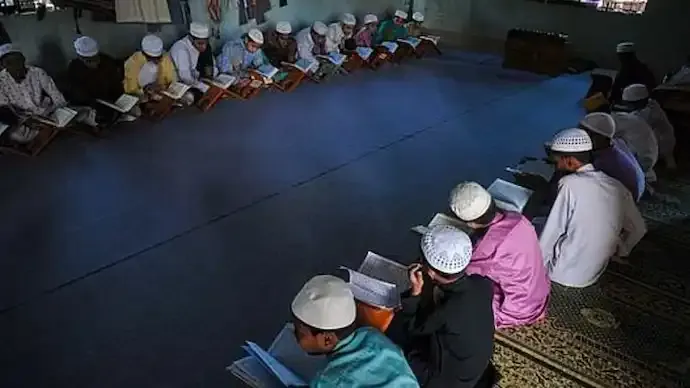

A fresh controversy has emerged in Uttarakhand’s Dehradun district after authorities revealed that a disputed land parcel originally linked to a madrasa project was later sold to Hindu buyers following multiple ownership transfers. The case has triggered legal scrutiny, with officials initiating action over alleged violations of state land laws.
The land, located roughly 15 kilometres from the Indian Military Academy, was initially purchased in 2004 by the Shekhul-Hind Trust after receiving permission to run a madrasa. Over time, the property became the centre of debate after plans reportedly emerged to develop a Muslim university on the site, prompting legal and administrative challenges.
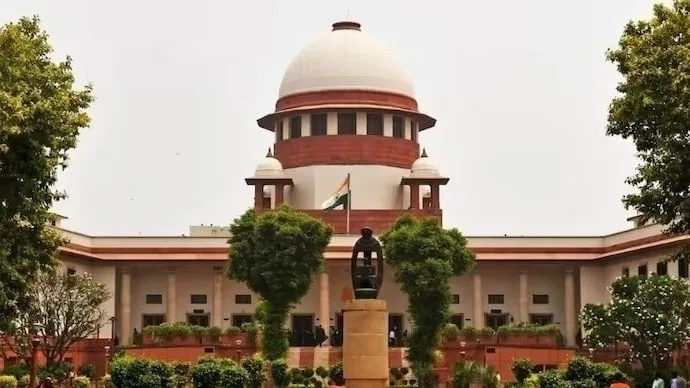
According to officials, compliance issues related to land use surfaced soon after the purchase, eventually reaching the Uttarakhand High Court. The court ruled that while the government could not directly assume ownership of the property, the trust was permitted to sell the land strictly under agricultural classification. This directive formed the basis for subsequent transactions.

In 2016, the trust approached the government seeking approval to sell the land, and authorities responded that any sale must adhere to agricultural land norms. Administrative sources claim that the property was later sold to 15 individuals, reportedly from the Muslim community, as agricultural land.
The controversy took a new turn when investigators found that in 2022, the land was allegedly subdivided into smaller plots and sold to approximately 70 to 80 buyers identified as Hindus. Officials argue that such fragmentation and sale for non-agricultural purposes may have violated applicable land regulations, prompting the administration to initiate legal proceedings.
Authorities have begun action under Sections 166 and 167 of the Uttar Pradesh Zamindari Abolition and Land Reforms (UPZA and LR) Act, which governs land ownership and transfer rules in the region. Notices have been issued to concerned parties, and the administration has started the process to potentially vest a portion of the land with the government, pending further legal review.
Officials emphasised that the investigation is focused solely on alleged procedural violations related to land conversion and transfer, rather than religious considerations. The administration stated that enforcement measures are being taken in accordance with existing laws to ensure compliance with land use policies.
The dispute has drawn political attention as debates over land ownership, religious institutions, and legal compliance intensify in Uttarakhand. Analysts note that such cases often highlight the complexities of land regulation, where historical permissions, changing ownership structures, and evolving land-use patterns intersect with local governance and public sentiment.
As the inquiry continues, authorities are expected to examine transaction records, ownership documents, and land-use approvals to determine whether any breaches occurred. The outcome of the legal proceedings could have broader implications for land transactions involving trusts and institutional properties across the state.







Conversation
Be kind and stay on topic. Comments are moderated; abuse, spam and personal attacks are removed. Report a problem