
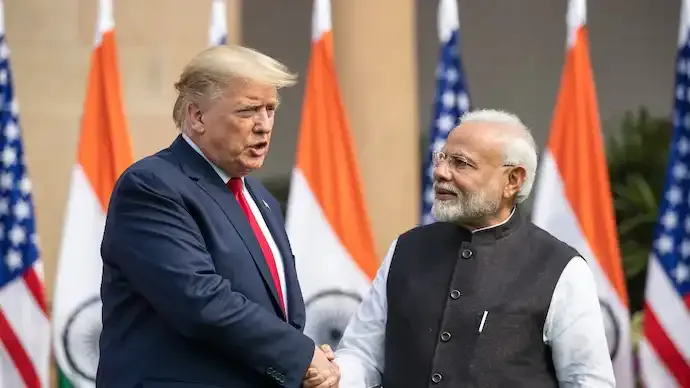
The White House has quietly revised key language in the factsheet outlining the proposed India-US trade framework, introducing significant changes just a day after the document was released publicly. The updated version softens certain commitments attributed to India, signalling a more flexible interpretation of the proposed agreement between the two countries.
One of the most notable revisions involves the phrasing around India’s planned purchases of American goods. The earlier version stated that India “commits” to buying over $500 billion worth of products from the United States. However, the latest version now uses the phrase “intends to buy,” suggesting a less binding formulation. The adjustment has drawn attention from observers analysing the diplomatic and economic nuances of the evolving trade arrangement.
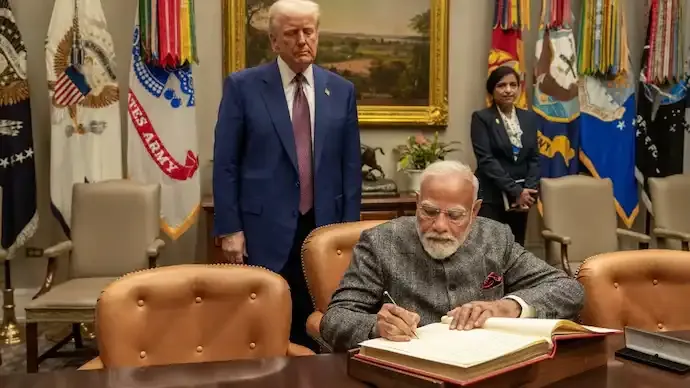
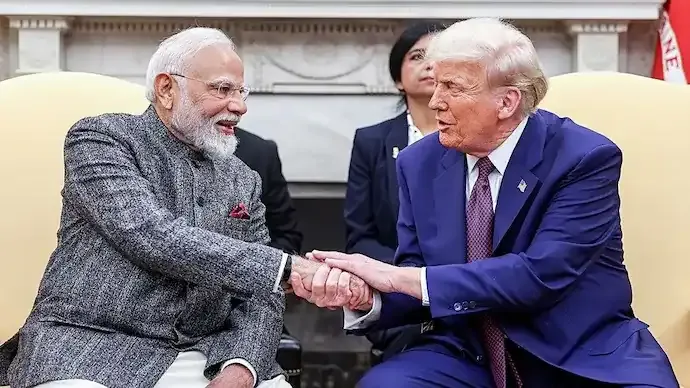
The development follows last week’s announcement of an interim trade framework between India and the United States, unveiled after discussions involving Donald Trump and Narendra Modi. The proposed deal aims to expand bilateral trade through tariff reductions and increased market access across several sectors, including industrial goods, technology products, and energy supplies.
The revised factsheet also omits certain product categories mentioned in the initial release. References to agricultural purchases have been adjusted, with the term “agricultural” removed from the section describing India’s planned acquisitions. Additionally, specific items such as “certain pulses,” which were earlier listed among products expected to benefit from tariff reductions, no longer appear in the updated document.
Another key change relates to digital trade policies. The earlier factsheet suggested that India would remove its digital services tax as part of the agreement. In the updated version, this language has been replaced with a broader statement that India has committed to negotiating bilateral digital trade rules, removing any explicit reference to eliminating the tax.
Despite the revisions, the broader framework of the trade deal remains intact. Under the proposed arrangement, the United States is expected to lower tariffs on Indian goods, while India may reduce or eliminate duties on a range of American industrial products and selected food items. A joint statement issued earlier by both sides indicated plans for India to purchase significant quantities of US energy products, aircraft components, technology goods, and coking coal over the coming years.
The trade framework comes amid shifting geopolitical and economic dynamics, including debates around India’s energy imports and global supply chains. The White House’s updated language appears aimed at clarifying expectations while maintaining flexibility during ongoing negotiations.
Officials from both countries have indicated that the final agreement is expected to be signed by mid-March, though discussions continue on sensitive sectors such as agriculture, digital taxation, and market access. Analysts say the revisions highlight the evolving nature of international trade negotiations, where language adjustments often reflect ongoing diplomatic balancing rather than fundamental policy shifts.
As talks progress, businesses and investors will closely monitor how the final terms shape trade flows between the two major economies, particularly in technology, agriculture, and manufacturing sectors that stand to benefit from closer economic cooperation.

Conversation
Be kind and stay on topic. Comments are moderated; abuse, spam and personal attacks are removed. Report a problem