Shopping cart
Your cart empty!


Your cart empty!
Terms of use dolor sit amet consectetur, adipisicing elit. Recusandae provident ullam aperiam quo ad non corrupti sit vel quam repellat ipsa quod sed, repellendus adipisci, ducimus ea modi odio assumenda.
Lorem ipsum dolor sit amet consectetur adipisicing elit. Sequi, cum esse possimus officiis amet ea voluptatibus libero! Dolorum assumenda esse, deserunt ipsum ad iusto! Praesentium error nobis tenetur at, quis nostrum facere excepturi architecto totam.
Lorem ipsum dolor sit amet consectetur adipisicing elit. Inventore, soluta alias eaque modi ipsum sint iusto fugiat vero velit rerum.
Sequi, cum esse possimus officiis amet ea voluptatibus libero! Dolorum assumenda esse, deserunt ipsum ad iusto! Praesentium error nobis tenetur at, quis nostrum facere excepturi architecto totam.
Lorem ipsum dolor sit amet consectetur adipisicing elit. Inventore, soluta alias eaque modi ipsum sint iusto fugiat vero velit rerum.
Dolor sit amet consectetur adipisicing elit. Sequi, cum esse possimus officiis amet ea voluptatibus libero! Dolorum assumenda esse, deserunt ipsum ad iusto! Praesentium error nobis tenetur at, quis nostrum facere excepturi architecto totam.
Lorem ipsum dolor sit amet consectetur adipisicing elit. Inventore, soluta alias eaque modi ipsum sint iusto fugiat vero velit rerum.
Sit amet consectetur adipisicing elit. Sequi, cum esse possimus officiis amet ea voluptatibus libero! Dolorum assumenda esse, deserunt ipsum ad iusto! Praesentium error nobis tenetur at, quis nostrum facere excepturi architecto totam.
Lorem ipsum dolor sit amet consectetur adipisicing elit. Inventore, soluta alias eaque modi ipsum sint iusto fugiat vero velit rerum.
Do you agree to our terms? Sign up
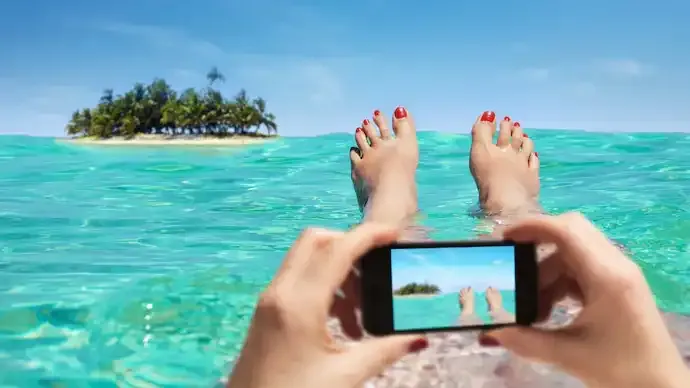
In today’s digital economy, unconventional income sources are gaining popularity, and selling feet photos has emerged as one such trend. Many individuals across the world are reportedly earning significant amounts by monetising niche content online.
With rising interest in alternative income streams, people in India are also exploring whether this can be a viable and legal side hustle.
The concept is simple—content creators upload and sell photos of their feet on specific platforms or directly to buyers. Demand for such content exists in niche online communities, creating a market where creators can earn based on quality, uniqueness, and audience engagement.
Earnings can vary widely depending on factors like platform reach, consistency, and branding.
From a legal standpoint, selling feet photos is not illegal in India as long as the content remains non-explicit and complies with existing laws.
However, there are important considerations:
If these conditions are met, such activity generally falls under digital content creation or freelance work.
While the activity may be legal in certain contexts, creators must be cautious about:
Understanding these risks is essential before entering this space.
Globally, several platforms allow creators to sell niche content. Earnings depend on audience demand, pricing strategy, and marketing efforts.
Some creators reportedly earn small supplementary income, while others build a full-fledged digital business around it.
In India, such side hustles may still face social stigma due to cultural perceptions. However, attitudes are gradually evolving as digital entrepreneurship becomes more mainstream.
The rise of freelancing, influencer marketing, and content monetisation has expanded the definition of acceptable online work.
Before exploring this option, individuals should carefully evaluate legal guidelines, personal comfort, and long-term implications.
Like any online business, success depends on strategy, safety awareness, and consistency.
135
Published: Apr 17, 2026

All India Story is your trusted source for comprehensive and up-to-the-minute news coverage across India. Bringing you the latest on politics, business, technology, entertainment, sports, and more, we are dedicated to keeping you informed with accurate, engaging, and insightful stories from every corner of the nation.